
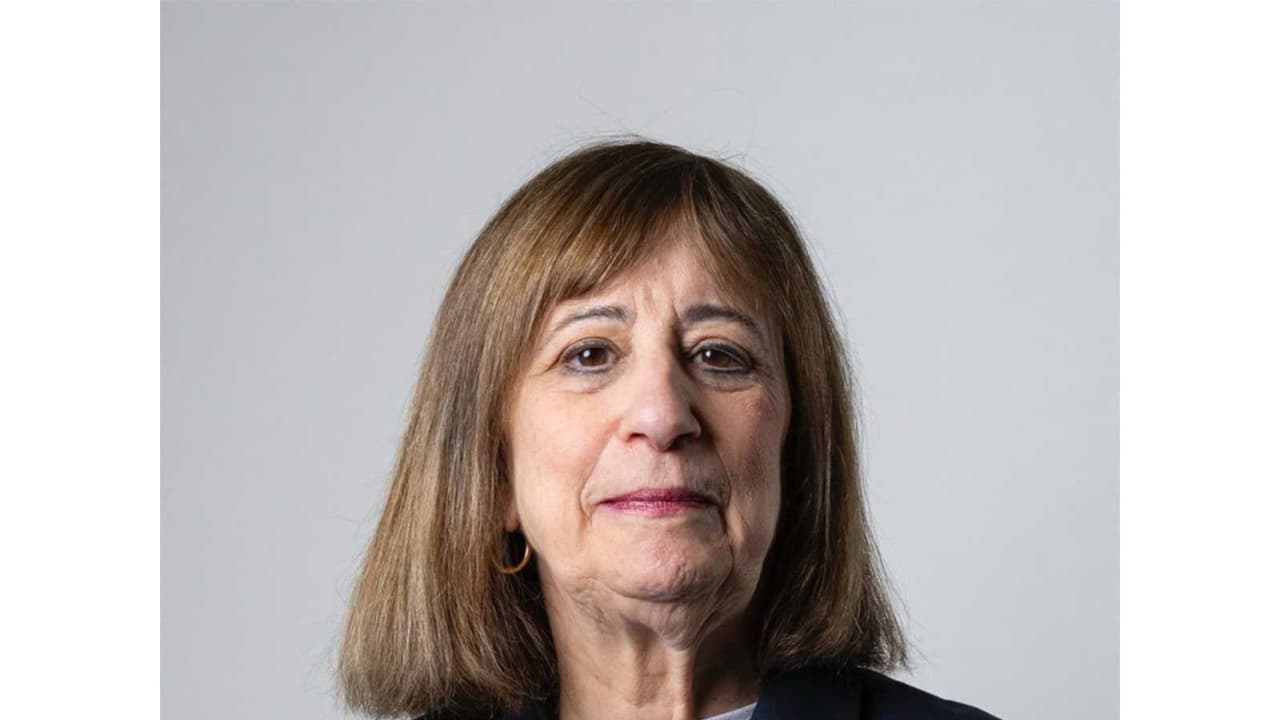
The US announced fresh Section 301 tariffs on 60 economies, prompting Wendy Cutler of the Asia Society Policy Institute to state that trading partners will be disappointed and will seek to reduce their dependence on the US market.
After the United States announced fresh Section 301 tariffs ranging from 10% to 12.5% on 60 economies, Wendy Cutler, Senior Vice President, Asia Society Policy Institute, said that "our trading partners will be disappointed with these results" and will continue to strive their dependence on the US market.
Her remarks come shortly after the Office of the US Trade Representative (USTR) on Thursday announced tariffs ranging from 10 per cent to 12.5 per cent on 60 economies as part of action directed by US President Donald Trump over what it described as inadequate measures to prohibit the import of goods produced with "forced labour".
Tariffs Face Legal Scrutiny
"Our trading partners will be disappointed with these results, but retaliation is not expected. They will continue efforts, however, to reduce their dependence on the U.S. market by forging trade deals among themselves, without U.S. participation," Cutler said in a statement.
She further added, "The Trump administration is trying for the third time to impose tariffs against a wide grouping of our trading partners, this time under Section 301 of our trade law. Time will tell whether the third attempt to impose tariffs is the charm and this action stands up to legal challenges."
She noted that while Section 301 is more "flexible" than other statutes used to date, "it has important procedural and substantive requirements that USTR has carefully tried to navigate, spending four months on the investigation."
Impact of New Tariffs
"There are few surprises here as the sixty partners investigated were all assigned tariffs ranging from 10% to 12.5%." she said and further observed that the likelihood of courts overriding these tariffs is significantly lower than previous actions.
Noting how the USTR has also provided lots of product exclusions to the tariffs announced, including for items not produced in the United States and those subject to Section 232 tariffs, she said that should reduce the impact of these duties.
"Nevertheless, they will contribute to higher prices both for end consumers and businesses importing inputs and machinery," the Senior Vice President added.
Future Actions and Context
She also noted that these tariffs will be supplemented by another 301 investigation underway on structural excess capacity.
"However, this case may not result in further tariff hikes until the fall."
Section 301 of the Trade Act of 1974 grants the US Trade Representative the authority to enforce tariffs or other punitive actions against nations found to be using unfair trade practices.
The fresh move follows an earlier ruling this year by the US Supreme Court that many tariffs imposed under emergency powers were unlawful, prompting the president to pursue alternative legal routes to advance his signature trade agenda. (ANI)
(Except for the headline, this story has not been edited by Asianetnews Editorial staff and is published from a syndicated feed.)