Britain is set for a historic voting reform that will shake up its democratic system. Find out how the move affects millions, and why critics are sounding alarms.
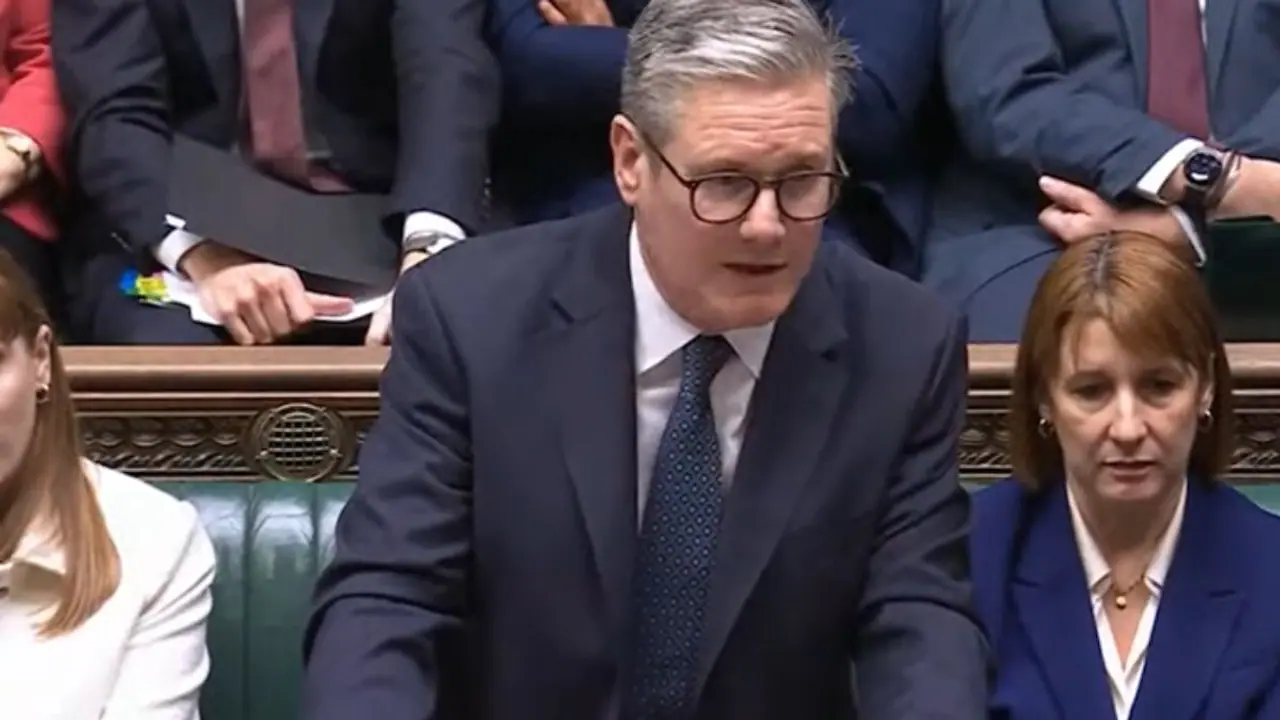
In a landmark move that could change British democracy, the UK government has announced plans to lower the voting age from 18 to 16 before the next national election. The decision taken on Thursday, is part of a wider effort to increase political participation and rebuild public trust in the electoral process.
The measure was a key election promise of the Labour Party, which returned to power in July 2024. While 16 and 17-year-olds already vote in regional elections in Scotland and Wales, this marks the first time they'll be allowed to cast ballots in national parliamentary elections across the UK.
If passed by Parliament, Britain will join a select group of countries, including Austria, Ecuador, and Brazil, where 16-year-olds are eligible to vote.
Related Articles

Alongside the voting age reduction, the government is rolling out a series of major electoral reforms. These include automatic voter registration and a new rule allowing voters to use bank cards as valid ID at polling stations.
Democracy Minister Rushanara Ali emphasized that the reforms aim to “break down barriers” and improve faith in the democratic process. “These changes will strengthen safeguards against foreign interference and open the door for more people to participate,” she said.
The move also seeks to reverse damage caused by a controversial photo ID law introduced by the previous Conservative government in 2022. Though it claimed to tackle voter fraud, the law was widely criticized for suppressing turnout among youth, lower-income voters, and ethnic minorities.
According to the UK’s Electoral Commission, roughly 750,000 people were unable to vote in the 2024 election due to lack of valid ID. That election saw just 59.7% turnout, the lowest in over 20 years.
Labour officials have framed this new legislation as the most sweeping reform since 1969, when the voting age was lowered from 21 to 18.
Deputy Prime Minister Angela Rayner defended the reforms, saying the nation’s democratic health required bold action. “For too long, public trust in our democracy has been damaged,” she said. “We’re taking action to fix that.”
While the proposals still need parliamentary approval, the Labour government is expected to face minimal resistance in pushing them through. The next general election is due by 2029, but millions of teenagers could now have a voice in shaping the country's future.