
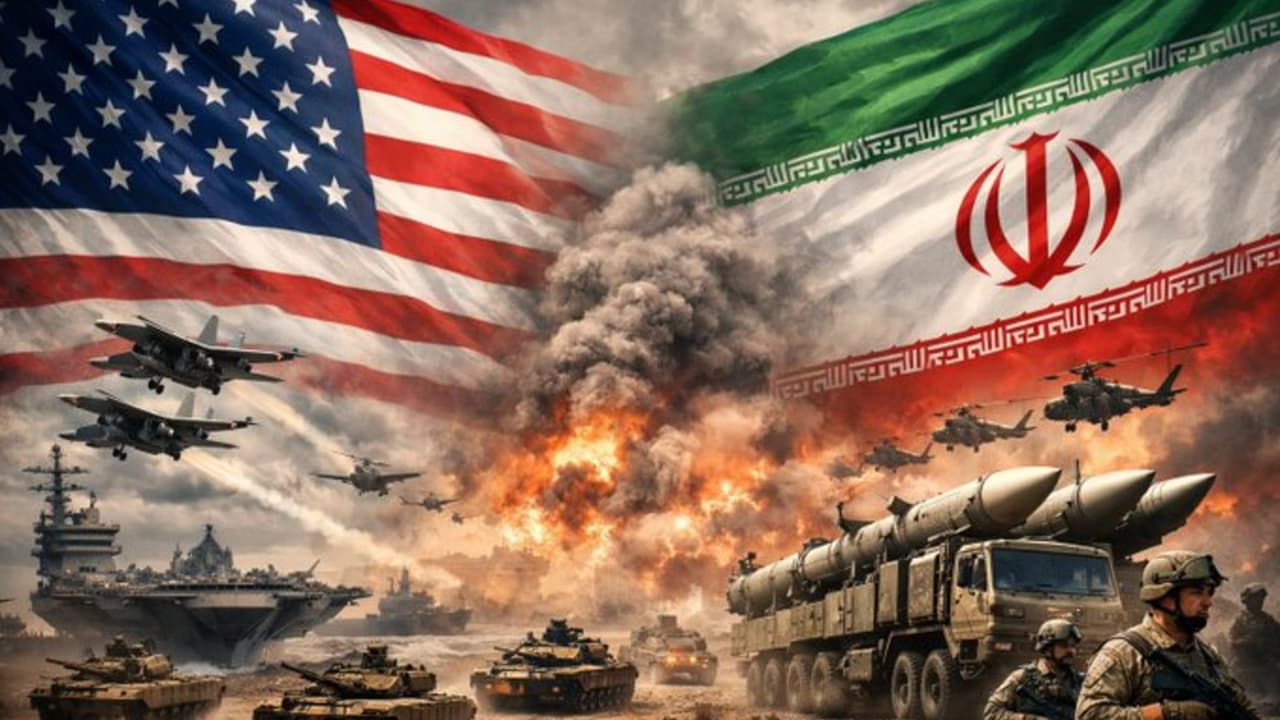
The United Arab Emirates is reportedly willing to join a US-led military effort against Iran to reopen the vital Strait of Hormuz. The waterway, through which nearly 20% of global oil passes, was restricted by Iran, impacting prices. Abu Dhabi is considering direct military roles and seeking international backing, including a UN resolution.
The United Arab Emirates (UAE) is reportedly willing to join a US-led military effort against Iran to reopen the strategically vital Strait of Hormuz, marking a significant escalation in the ongoing West Asia conflict. According to reports, Abu Dhabi is exploring direct participation in operations aimed at ensuring the flow of global oil shipments through the chokepoint.
The report suggests the UAE is pushing for international backing, including a possible United Nations Security Council resolution to legitimise the use of force. Officials are also urging the United States and its allies in Europe and Asia to form a coalition to secure the waterway.
Strategic Importance of Strait of Hormuz
The Strait of Hormuz is one of the world’s most critical oil transit routes, with nearly 20% of global oil supply passing through it daily. Its disruption has already triggered sharp increases in oil prices, shipping costs, and insurance premiums, raising concerns about global economic stability.
Iran had earlier restricted navigation through the strait following US and Israeli strikes, effectively choking a key energy artery and escalating tensions across the region.
Also Read: US Says Forces Ready to Thwart Iran Attack Threats on Tech Firms
UAE Signals Military Readiness
The UAE is reportedly reviewing potential military roles, including mine-clearing operations and logistical support, as it considers direct involvement in combat for the first time in this conflict.
A statement cited in reports stressed that there is “broad global consensus that freedom of navigation in the Strait of Hormuz must be preserved,” underlining the urgency of reopening the route.
The move reflects a broader shift in Gulf geopolitics, with the UAE emerging as one of the most assertive regional players pushing for action against Iran.
Escalating Regional Conflict
The development comes amid intensifying hostilities between Iran, the United States, and Israel. The conflict has already seen missile and drone attacks, damage to critical infrastructure, and growing instability across the Gulf.
Recent reports indicate that Gulf nations, including Bahrain and Saudi Arabia, are increasingly aligning with US strategic goals, although a unified regional coalition has yet to fully materialise.
At the same time, Iran has warned that it could retaliate against countries supporting military action, raising fears of a wider regional war.
Global Stakes and Economic Impact
Any military effort to reopen the Strait of Hormuz carries significant risks, including direct confrontation with Iranian forces and potential disruption to global energy markets. Analysts warn that prolonged conflict could further spike oil prices and impact supply chains worldwide.
The UAE’s willingness to join the fight signals a major turning point, as regional powers move closer to direct military engagement. With diplomatic efforts struggling and military preparations intensifying, the situation remains highly volatile, with the potential for far-reaching geopolitical and economic consequences.
