Donald Trump and Israeli PM Netanyahu have agreed to intensify economic pressure on Iran by targeting its oil trade with China. This "maximum pressure" campaign aims to curb Tehran's primary revenue source, as China buys over 80% of its oil exports.
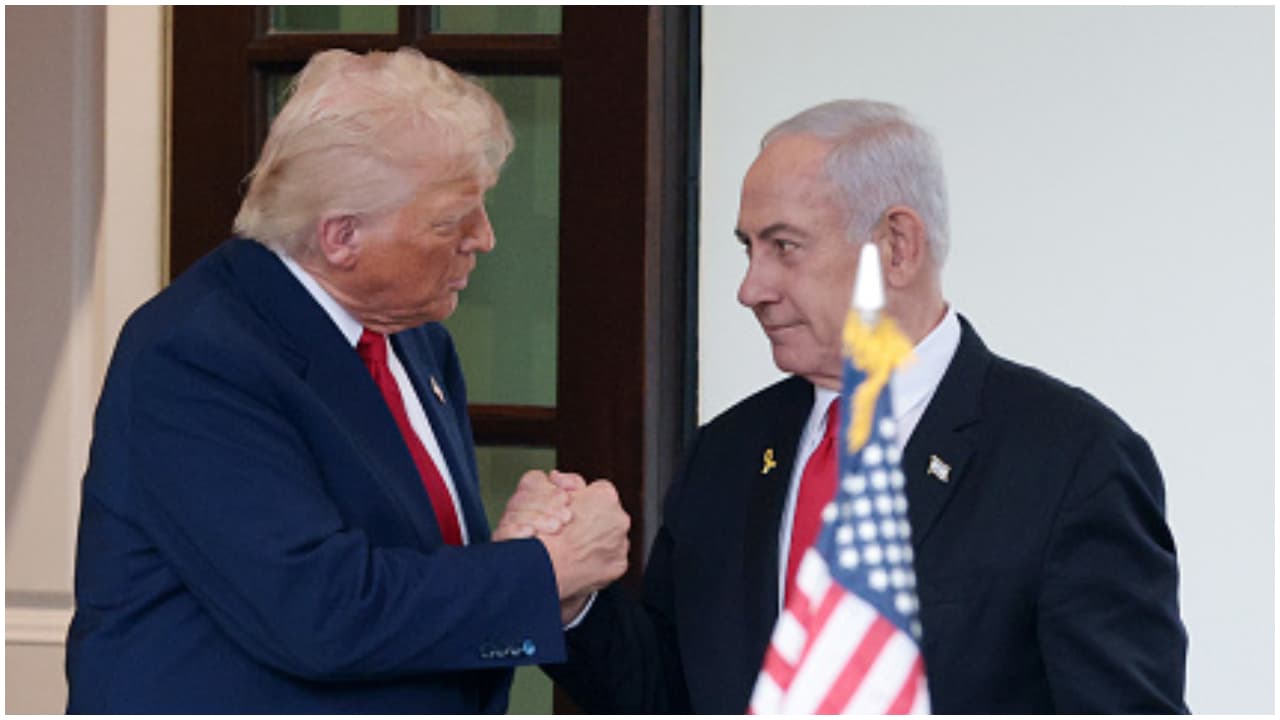
President Donald Trump and Israeli Prime Minister Benjamin Netanyahu agreed at a recent White House meeting to intensify economic pressure on Iran, particularly by targeting its oil trade relationship with China, according to US and Israeli officials briefed on the discussions. The move is part of a broader effort that both leaders have described as a renewed “maximum pressure” campaign against Iran as diplomatic engagements over Tehran’s nuclear program continue.
The agreement, reported by multiple news outlets citing senior US officials, centers on curbing Tehran’s ability to export crude oil — a key source of revenue that sustains the Iranian economy and funds its regional policies. China currently purchases more than 80% of Iran’s oil exports, making it critically important to Tehran’s economic strategy. Reducing these sales would represent a significant blow to Iran’s fiscal health and could shift its calculations on both economic and security policy fronts.
At the heart of the strategy is the belief by US and Israeli policymakers that if Beijing can be persuaded or pressured to scale back its purchases of Iranian crude, then Tehran may be forced to reconsider its broader geopolitical posture — including its nuclear ambitions. The oil sales to China have helped Iran circumvent earlier rounds of Western sanctions, and Beijing has maintained that its trade with Tehran is lawful and conducted in line with commercial norms, often resisting unilateral actions from Washington.
Related Articles

The Trump administration has already taken steps to harden its stance on Iranian oil revenues in recent months. A recent executive order signed by Trump provides enhanced authority to US officials, potentially enabling them to recommend tariffs of up to 25% on countries that continue doing business with Tehran, although implementing such measures against a major economy like China could significantly strain already tense US-China relations.
The announcement comes as the US and Iran continue to engage in nuclear negotiations, often mediated by Oman, in hopes of reviving some form of diplomatic agreement. Despite these talks, Trump and Netanyahu’s strategy appears to embrace both diplomacy and economic coercion in parallel, signalling to Tehran that economic pressure will be sustained even as dialogue progresses.
Senior US officials emphasize that the “maximum pressure” approach remains just one part of a multifaceted strategy. This includes maintaining a significant military presence in the Middle East to deter escalation and keep diplomatic options open. The deployment of naval assets, including flotillas near key waterways like the Strait of Hormuz — through which a substantial portion of Iran’s oil exports flow — underscores Washington’s readiness to back economic measures with strategic force if necessary.
Critics of the policy argue that pressuring Iran by cutting off its key export markets could further destabilize an already volatile region. They caution that such tactics risk provoking backlash from Tehran, potentially leading to disruptions in global energy markets or other forms of retaliation. Tehran has repeatedly insisted that its nuclear program is peaceful and condemned what it labels as coercive actions by Washington and its allies.
Still, both Trump and Netanyahu have stressed that combining economic pressure with diplomatic channels offers the best chance to bring Iran to the negotiating table in a position of greater flexibility. For now, curbing Iran’s oil sales to China — long a cornerstone of Tehran’s export strategy — remains a central pillar of that pressure campaign as the US seeks to leverage geopolitical and economic tools in tandem.