
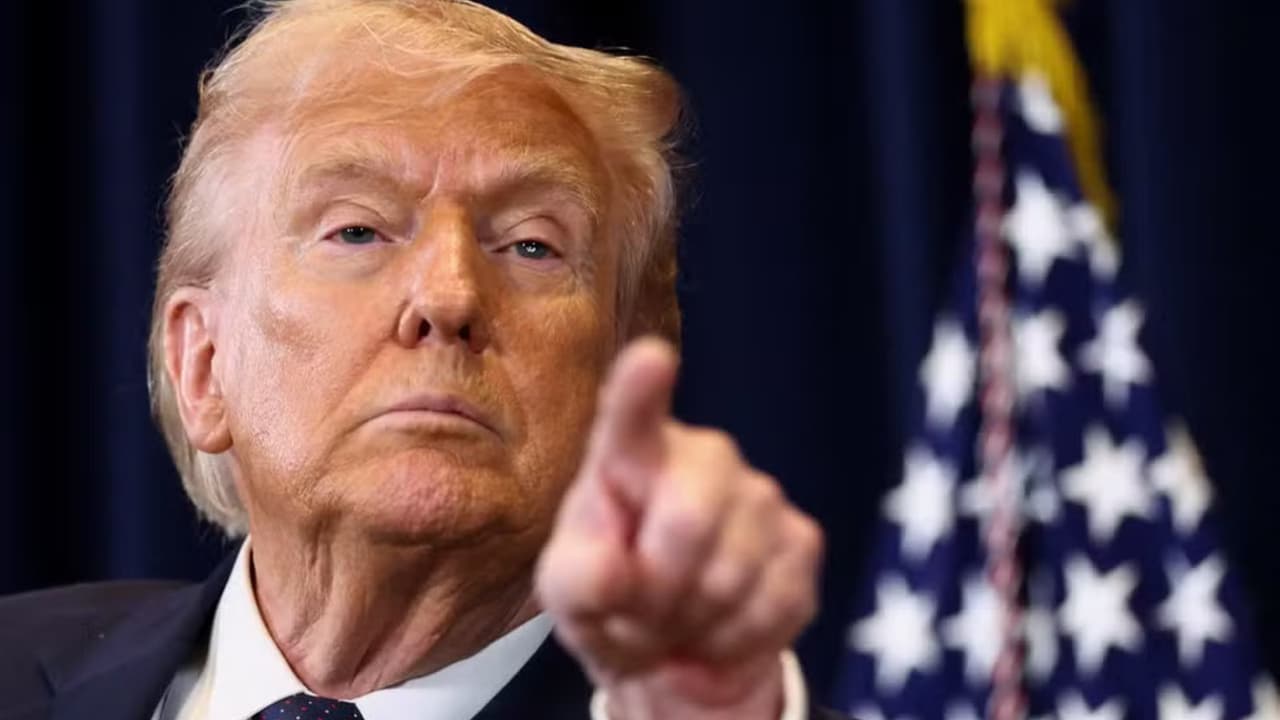
US President Trump is considering a plan for Arab nations to fund the war against Iran, aiming to reduce the financial burden on America. The White House confirmed this is part of a dual-track strategy that combines military pressure with diplomatic engagement.
US President Donald Trump is considering a controversial plan to have Arab nations help fund the ongoing war against Iran, even as Washington continues diplomatic efforts with Tehran. The White House confirmed that the idea is under consideration, reflecting a dual-track approach combining military pressure with negotiations.
Press Secretary Karoline Leavitt said the proposal is something Trump has been exploring, noting, “It’s an idea that I know that he has,” while adding that more details could emerge soon. The move is seen as an attempt to reduce the financial burden of the conflict on the United States, especially as war costs continue to rise and face scrutiny domestically.
At the same time, the US has maintained that diplomatic engagement with Iran remains active. Officials claim that negotiations are progressing, despite Tehran publicly rejecting direct talks and dismissing American demands as unrealistic. This contrast underscores the complex nature of the current strategy, where military escalation and backchannel diplomacy are unfolding simultaneously.
Also Read: Trump Says US in Talks With Iran’s Ghalibaf, Tehran Bluntly Denies Direct Negotiations
Trump has also issued strong warnings to Iran, signalling that failure to reach a deal could lead to severe consequences, including potential strikes on critical infrastructure. He has expressed confidence that pressure tactics, combined with negotiations, could push Tehran toward concessions on key issues such as its nuclear programme and regional activities.
The broader conflict continues to intensify, with ongoing strikes and counterattacks raising fears of a wider regional escalation. Meanwhile, indirect talks mediated by countries like Pakistan, Turkey, and Egypt have yet to produce a breakthrough, highlighting the deep mistrust between the two sides.
The proposal to involve Arab nations financially adds a new dimension to the conflict, potentially reshaping regional alliances and responsibilities. However, it also raises questions about the feasibility of such support and the long-term implications for Middle East stability.
As both diplomacy and military pressure continue in parallel, the chances of a swift resolution remain uncertain, with the situation evolving rapidly on multiple fronts.
Also Read: US War Dept denies Hegseth approached BlackRock, calls claims ‘false’
