
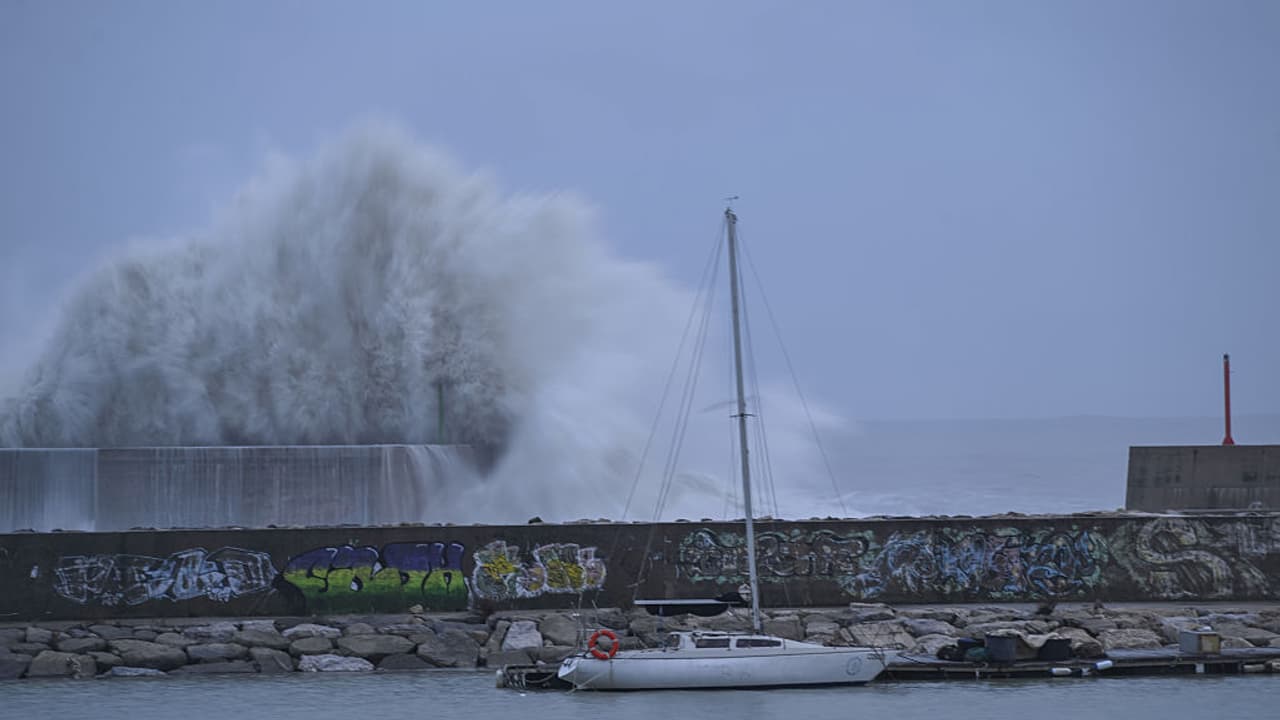
Cyclone Harry battered southern Italy and Malta, leaving shipwrecks and fears of hundreds lost at sea. One survivor’s account and official estimates highlight the dangers of crossings from Tunisia amid Europe’s migration crisis.
Up to 380 people are feared to have drowned in the Mediterranean last week as Cyclone Harry struck southern Italy and Malta, according to the Italian coastguard. Maltese authorities confirmed a shipwreck with 50 lives lost, with only one survivor rescued after clinging to wreckage for 24 hours before being hospitalised. The vessel had departed Tunisia on 20 January.
The survivor told Alarm Phone, an organisation running a hotline for migrants in distress, that he believed all others on board had died. His account underscored the perilous conditions faced by migrants attempting the crossing during the storm. The tragedy added to the mounting toll of Cyclone Harry’s impact on migrant journeys across the region.
In another incident, one‑year‑old twin girls from Guinea are presumed dead after their overcrowded boat was battered near Lampedusa. Italy’s Unicef unit confirmed the deaths, highlighting the vulnerability of children caught in dangerous crossings. The cyclone generated huge waves across the Mediterranean, worsening already treacherous conditions for those attempting to reach Europe.
Italy’s coastguard said it was searching for eight vessels launched from Sfax, Tunisia, during the past 10 days despite the cyclone. Officials estimate hundreds may have drowned as smugglers continued sending boats into hazardous waters. The scale of the disaster reflects the risks of the central Mediterranean route, considered one of the world’s deadliest migration paths.
Figures from Italy’s interior ministry show 66,296 people arrived by boat in 2025, slightly fewer than the previous year and half the number recorded in 2023. The decline followed government deals with Libya and Tunisia aimed at curbing arrivals. Fewer NGO rescue ships now operate due to fines and rules requiring disembarkation at distant ports rather than closer ones such as Sicily.
Despite hardline measures, migrants continue attempting the crossing from north Africa in search of refuge. Italy remains a primary landing point, with the UN’s International Organization for Migration recording at least 25,600 deaths and disappearances since 2014. Most of those tragedies involved boats departing from Tunisia or Libya, highlighting the enduring danger of the route.
