
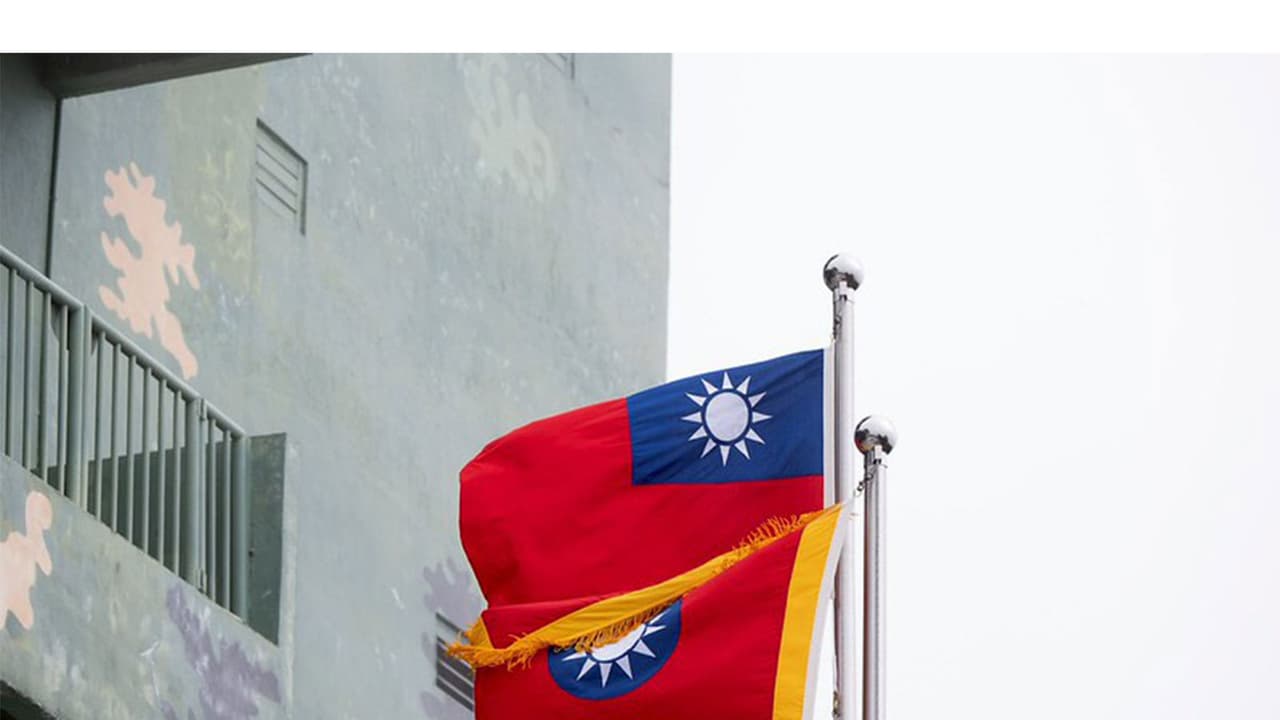
Taiwan is considering deeper strategic coordination with Japan on security issues like undersea cables, gray zone tactics, and cyber threats. This move, prompted by China's assertiveness, aligns with Japan's revised Indo-Pacific Strategy.
Taiwan is considering deeper strategic coordination with Japan on a range of security issues linked to China's growing regional assertiveness, according to statements made by Taiwan's National Security Bureau (NSB) Director-General Tsai Ming-yen. The development follows Japanese Prime Minister Sanae Takaichi's unveiling of a revised Indo-Pacific Strategy that places strong emphasis on maritime security, supply chain resilience, and technological cooperation, as reported by The Taipei Times.
Strategic Coordination on Security
According to The Taipei Times, speaking during a classified session of Taiwan's legislative Foreign Affairs and National Defense Committee, Tsai said Taipei is evaluating possible joint initiatives with Tokyo in three major areas: safeguarding undersea internet cables, countering China's "gray zone" maritime tactics, and expanding collaboration on cybersecurity and artificial intelligence.
The remarks came after Democratic Progressive Party legislator Chiu Chih-wei urged the Taiwanese government to align more closely with Japan's updated "Free and Open Indo-Pacific Strategy," announced by Takaichi during her visit to Vietnam on May 2. The Japanese framework focuses on strengthening critical energy and mineral supply chains essential for the AI-driven economy, while also promoting regional security partnerships.
Tackling 'Gray Zone' Tactics
Tsai noted that Taiwan and Japan, both heavily dependent on submarine communications infrastructure, share common concerns over the vulnerability of undersea cables to sabotage and interference. Japan has reportedly shown particular interest in Taiwan's experience handling Chinese-linked disruptions targeting telecom networks and maritime infrastructure. Taiwanese officials also accused China of escalating "gray zone" operations and coercive tactics that stop short of direct military conflict aimed at expanding Chinese influence in regional waters. Tsai said intelligence exchanges between Taipei and Tokyo are already helping both sides monitor and respond to these activities, as cited by The Taipei Times.
Call for Regional Cooperation and CPTPP Bid
Chiu additionally called for broader regional cooperation involving South Korea to reinforce energy security and critical supply chains. He also suggested Taiwan should seek stronger Japanese backing for its bid to join the Comprehensive and Progressive Agreement for Trans-Pacific Partnership (CPTPP), as reported by The Taipei Times. (ANI)
(Except for the headline, this story has not been edited by Asianet Newsable English staff and is published from a syndicated feed.)