
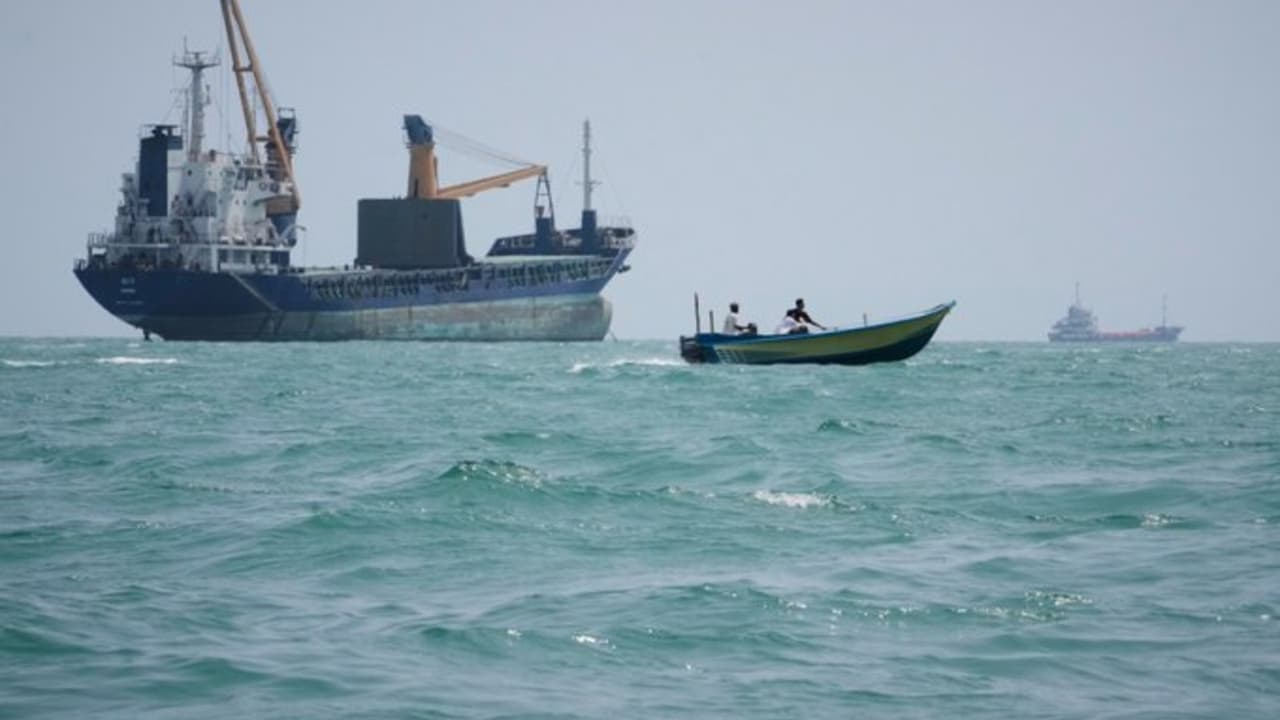
A developing maritime standoff off Sri Lanka’s coast is forcing policymakers to balance economic interests, diplomatic relationships and humanitarian concerns as international pressure continues to mount.
Sri Lanka has found itself navigating a complex diplomatic challenge after reports emerged that dozens of Iranian-linked vessels stranded near its waters have become the focus of international scrutiny and competing geopolitical pressures.
The issue gained prominence after reports indicated that around 20 Iranian tankers anchored off Sri Lanka's coast were facing shortages of essential supplies, including food, fuel and fresh water. The developments have placed Colombo in a difficult position as it weighs humanitarian considerations against potential economic and diplomatic consequences.
Officials have acknowledged that requests were made for basic provisions to be supplied to the vessels. However, the Sri Lankan government has maintained a cautious stance, emphasizing that no state assistance has been provided.
The situation has attracted attention because of Sri Lanka's economic dependence on Western markets.
Trade figures show the United States remains one of Sri Lanka's most significant export destinations, while European markets also account for a substantial share of the country's overseas trade. Those commercial ties make policymakers particularly sensitive to developments that could affect economic relations.
At the same time, the presence of vessels reportedly facing supply shortages has generated debate within Sri Lanka over how humanitarian concerns should be handled.
The issue has evolved beyond a maritime logistics question into a broader discussion about foreign policy, economic realities and national decision-making.
Observers note that the matter illustrates the challenges faced by smaller economies attempting to balance relations with multiple international partners during periods of geopolitical tension.
Government Attempts To Balance Competing Pressures
Sri Lankan officials have sought to clarify the government's position as public attention surrounding the issue increased.
Authorities stated that Iranian vessels had requested provisions but emphasized that any decisions involving supplies would carry commercial as well as legal considerations.
Government representatives also pointed to sanctions-related concerns, noting that businesses involved in servicing vessels must consider potential international implications before proceeding.
The debate has exposed differing viewpoints within Sri Lanka. Some officials and observers argue that humanitarian considerations should remain separate from wider geopolitical disputes. Others stress the importance of protecting economic interests and avoiding actions that could create diplomatic complications.
As a result, the government has attempted to navigate a middle path that avoids direct confrontation while limiting exposure to possible economic consequences.
The public discussion intensified after reports about the stranded vessels became widely known, reducing the room available for quiet diplomatic handling of the issue.
The developments have also generated broader conversations about how smaller nations respond when international disputes affect activities occurring near their own territory.
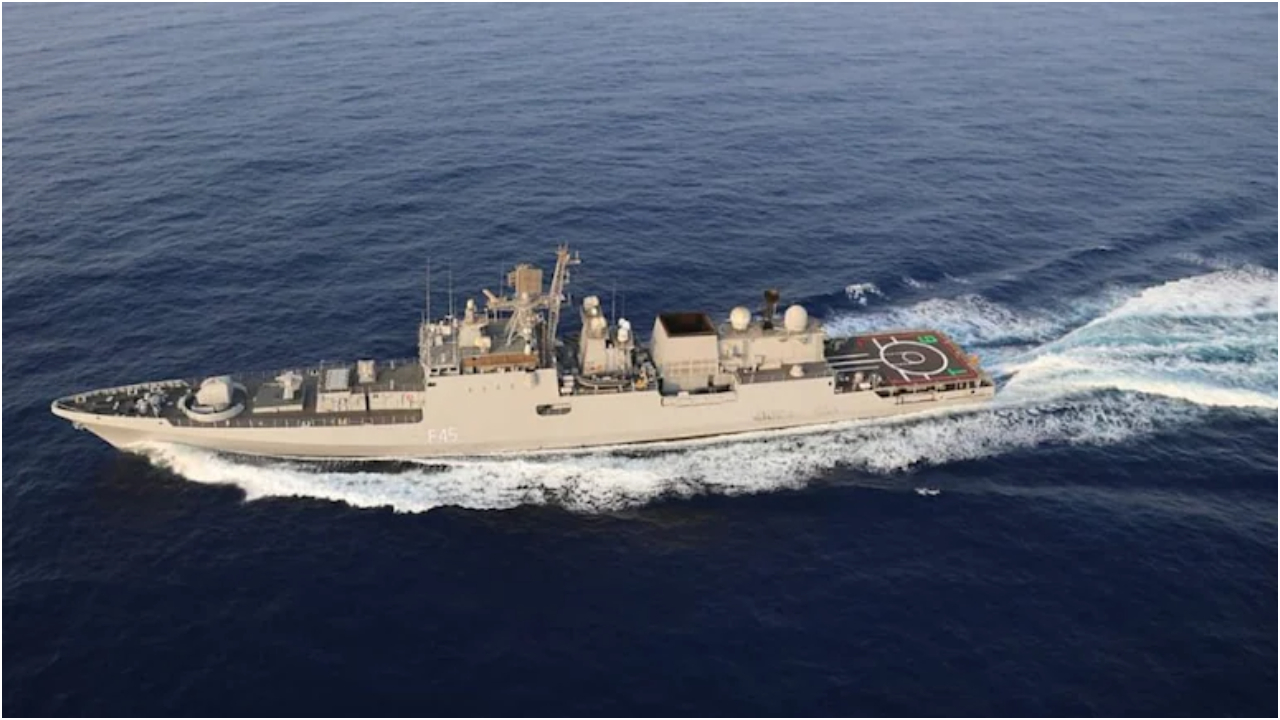
Wider Regional Context Shapes The Debate
The controversy unfolds against a backdrop of heightened tensions involving Iran and international shipping routes.
Regional security concerns, sanctions policies and maritime trade disruptions have all contributed to increased attention on sea lanes throughout the Indian Ocean region.
Sri Lanka's previous involvement in humanitarian operations has also resurfaced in public discussion.
Earlier this year, Sri Lankan authorities assisted Iranian sailors following a separate maritime incident, an action that demonstrated the country's willingness to respond to emergencies in nearby waters.
Those events are now being referenced by observers examining how Colombo may approach the current situation.
The issue has additionally raised questions about the foreign-policy independence available to smaller nations operating within larger geopolitical rivalries.
For Sri Lanka, the challenge involves balancing multiple priorities simultaneously: maintaining trade relationships, managing diplomatic partnerships and addressing humanitarian concerns when they arise.
While government officials continue to proceed cautiously, the situation remains closely watched both domestically and internationally.
What began as a maritime supply issue has become a broader test of how a strategically located country navigates competing pressures in a rapidly changing geopolitical environment.
