
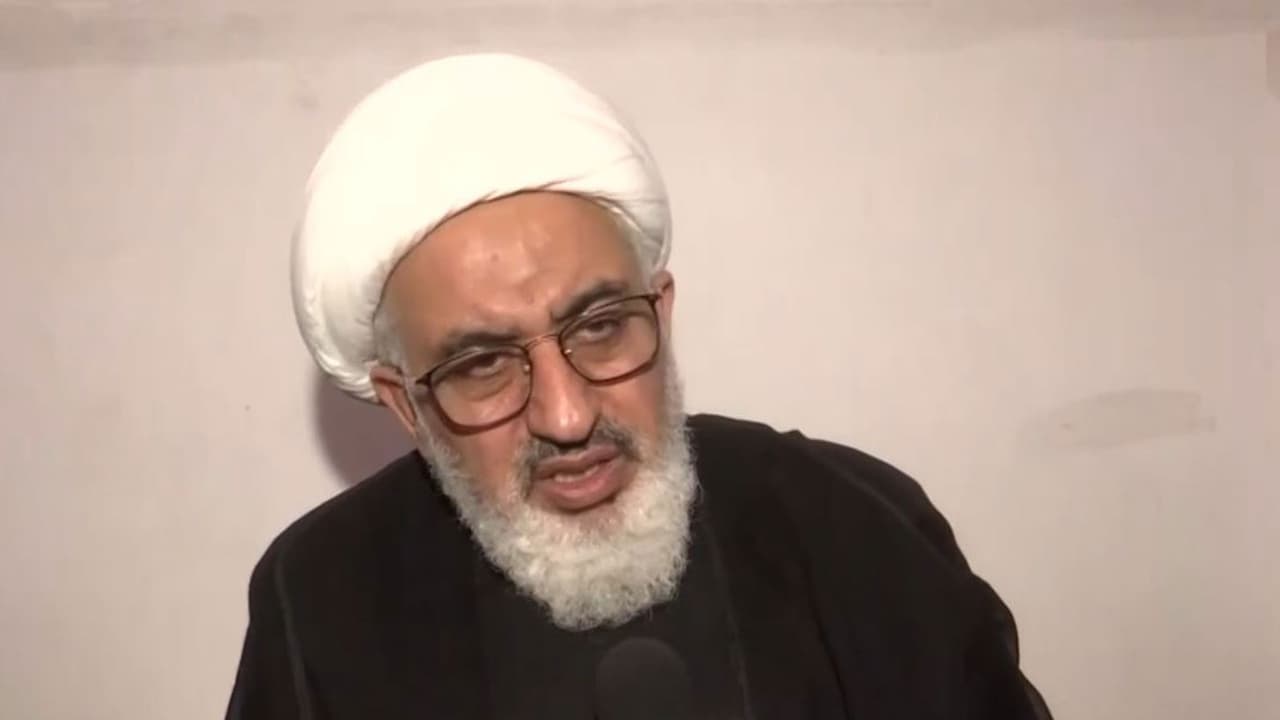
Iran's envoy in India, Dr Abdul Majid Hakeem Ilahi, says the Israel-US war is the source of energy disruption. He affirmed the Strait of Hormuz is closed for enemies but open to others, including Indian ships, and the war will end if attacks stop.
Stating that the source of the global energy disruption is Israel-US war against Iran, Dr Abdul Majid Hakeem Ilahi, representative of Iran's Supreme Leader in India, said on Sunday that the Strait of Hormuz is closed for Tehran's enemies and other countries are "free to pass" through it.
In an interview with ANI, Abdul Majid Hakeem Ilahi said some Indian ships have passed through Hormuz and hoped it will continue.
Conditions for Peace and End of War
Asked about the possibility of the end of the war that began on February 28, Abdul Majid Hakeem Ilahi said it "depends on the countries who initiated this war". He said war will end if attacks on Iran stop. "They started attacking and killed a lot of civilians. If they stop this, the war will end," he said.
Asked if India can play a role in US-Iran peace negotiations, he said, "all countries can play a good role in stopping this war".
Asked about Pakistan's role in the West Asia conflict, he said the conversation between Iran and America through Islamabad "wasn't true" because the US just wanted to stop the rise in price of oil. "They don't have any role in this war. A conversation between Iran and America through Pakistan, this wasn't true because they (US) just wanted to stop the (rise in) price of oil... They just wanted to use some countries," he said.
Strait of Hormuz Passage for Indian Ships
Asked if Indian ships should be allowed to pass the Strait of Hormuz, he said:, "Yes. Up to now, some Indian ships have passed, and I hope that will continue."
"Before this war, there weren't any problems... This means that the source of all conflicts and crises is this war... The problem is not whether Iran allows or not. This is a security issue... Some enemy countries that use this Strait for attacking Iran are not allowed, but other countries are free to pass," he added.
Abdul Majid Hakeem Ilahi said he was invited by some of "brothers from Patna" and came to the city to thank them "for their solidarity, sympathy, and condolences".
Conflict Background
The conflict in West Asia began following US-Israel joint military strikes on Iran on February 28, which led to the death of Iran's 86-year-old Supreme Leader, Ayatollah Ali Khamenei. Tehran, in retaliation, targeted Israel and US assets in several Gulf countries, causing disruption in the waterways and affecting international energy markets and global economic stability.
(Except for the headline, this story has not been edited by Asianet Newsable English staff and is published from a syndicated feed.)