
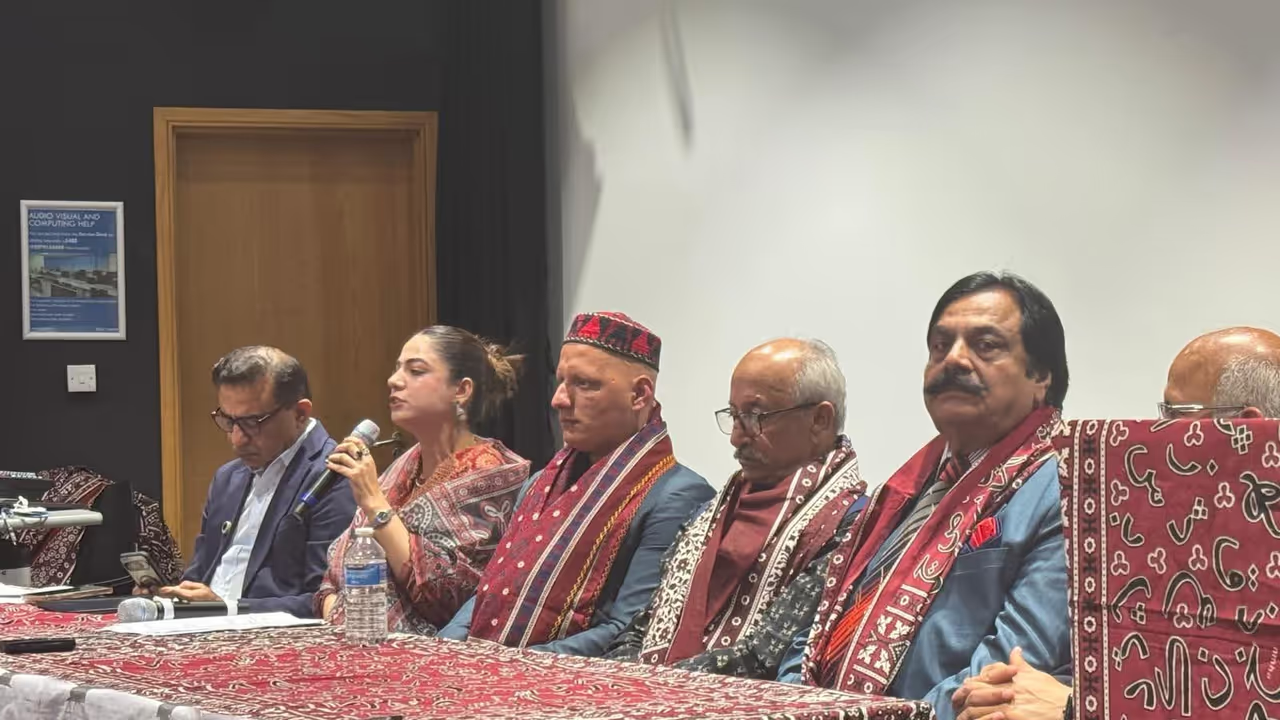
Over 400 delegates at the 38th International Conference on Sindh in London condemned Pakistan for political marginalisation, resource exploitation, and human rights violations, demanding self-determination and opposing the division of the province.
More than 400 delegates attending the 38th International Conference on Sindh in London have condemned alleged political marginalisation, resource exploitation and human rights violations in Pakistan, demanding protection of Sindh’s territorial integrity and the right to self-determination.
Organised by the World Sindhi Congress (WSC) at the University of Westminster’s Harrow Campus, the conference brought together participants from the United Kingdom, North America, Europe, the Middle East and South Asia under the theme “Sindh’s Right to Self-Determination: Pathways to Peace, Democracy and a Sustainable Future”.
Opposition to Division and Resource Diversion
Delegates strongly opposed proposals to divide Sindh into smaller administrative units or separate Karachi from the province, describing such moves as attempts to undermine Sindhi identity and strengthen centralised control over its resources. Participants also rejected proposed water-diversion canals on the Indus River, warning that these projects could deprive downstream communities of their water share and accelerate the degradation of the Indus Delta.
Regional Movements Express Solidarity
Representatives of Baloch and Pashtun political and rights movements expressed solidarity with Sindh, highlighting what they described as shared struggles against political marginalisation, resource exploitation and state repression. Among those attending were Baloch National Movement chairman Dr Naseem Baloch, Baloch Human Rights Centre representative Dr Naseer Dashti and Pashtun Tahafuz Movement's Shahid Khan Kakar.
Social and Humanitarian Crises Highlighted
The conference also highlighted Sindh’s persistent social and humanitarian challenges. Paediatric medicine professor Dr Neel Kanth raised concerns over child malnutrition and stunted growth, while Maha Panhwar criticised the slow pace of post-flood rehabilitation, citing continuing displacement and health problems among affected communities.
Conference Adopts 10-Point Resolution
A 10-point resolution moved by WSC leader Umed Laghari reaffirmed the demand for self-determination, opposed corporate farming and land acquisitions under the Green Pakistan Initiative, and condemned enforced disappearances and state violence against women. It also called for the recovery of abducted children, including Priya Kumari, an end to forced conversions of Hindu and Christian girls, and international support for conserving the Karoonjhar Hills.
WSC chairperson Dr Lakhu Luhana reiterated that Sindh’s territorial integrity was non-negotiable and pledged to pursue its political demands through democratic participation and international engagement. (ANI)
(Except for the headline, this story has not been edited by Asianet Newsable English staff and is published from a syndicated feed.)