
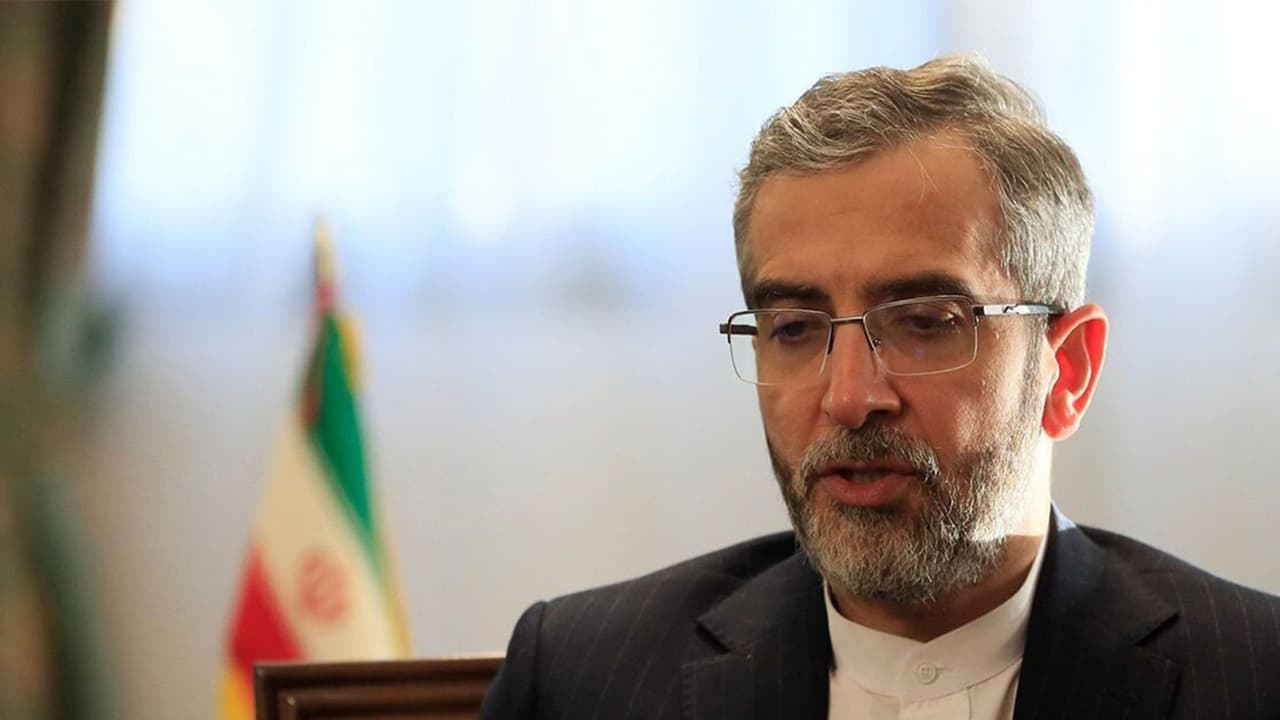
Saudi, Pakistani, and Turkish officials are set to visit Tehran to meet with Iranian authorities to discuss regional security and promote collective, endogenous cooperation across West Asia amidst growing external tensions.
Regional Security Cooperation in Tehran
Saudi Defence Minister Khalid bin Salman, Pakistan's Army Chief Asim Munir and Turkish intelligence chief Ibrahim Kalin will visit Tehran for a joint meeting with Iranian officials to discuss regional security, Ali Bagheri, Deputy Secretary of Iran's Supreme National Security Council, said, according to Iranian state broadcaster IRIB. In an interview with a reporter from IRIB's political group, Bagheri said the visit was part of efforts to advance “endogenous security in West Asia” through cooperation among regional countries.
Referring to the visit last week of Pakistan's Army Chief, Bagheri said, "Asim Munir, in a meeting with Major General Mohsen Rezaei, Secretary of the Supreme National Security Council, had announced the decision of senior officials from Saudi Arabia, Turkey, and Pakistan to travel to Tehran, meet with the Secretary of the Supreme National Security Council of the Islamic Republic of Iran, and hold a joint meeting." Bagheri said the purpose of the visit was to "consult and discuss with Major General Mohsen Rezaei about regional security”. He added that “Saudi Defence Minister Khalid bin Salman, Pakistani Army Commander General Asim Munir, and Turkish Intelligence Chief Ibrahim Kalin will attend the aforementioned meeting during their trip to Tehran."
Iran's Perspective on Regional Stability
The Deputy Secretary of Iran's Supreme National Security Council also referred to what he called the achievements of Iran and its armed forces in confronting the United States and Israel. According to IRIB, Bagheri said, "The Islamic Republic of Iran's model of defence based on internal and domestic capabilities has become a successful model for building national security." He added, “On the other hand, Iran's strategic policy is to ensure regional security through regional countries and confront any foreign interference and influence, led by the American and Zionist regimes.”
Bagheri said Israel's role in the region posed a threat to regional stability. According to IRIB, he stated, "The illegitimate Zionist regime at any level in the West Asian region" was a threat to "the security and stability of the nations of the region". He further said, "All three countries present at this meeting can, together with Iran, take an effective step to create endogenous security within the framework of the Islamic Republic of Iran's effective and efficient idea of regional security with the participation of regional actors, using the successful experience of the Islamic Republic of Iran in building national security."
Makkah Defence Alliance Developments
The upcoming meeting is announced at a time when, earlier in October, US President Donald Trump said Türkiye and Pakistan "want to help Saudi Arabia" with the deployment of their military forces under the Makkah Alliance. He added that the move was "good". When asked about Türkiye and Pakistan agreeing to send military forces to Saudi Arabia as part of the Makkah Alliance following an attack on the country, Trump said, "I think they want to help Saudi Arabia, and I think that's good."
On October 5, Saudi Arabia, Turkiye and Pakistan agreed to activate collective defence measures under the Makkah Defence Alliance and move towards the swift deployment of forces and military capabilities to Saudi Arabia amid ongoing attacks by Houthi rebels from Yemen targeting the Kingdom. The decision was taken at an emergency meeting of the Political and Defence Strategic Committee of the Makkah Defence Alliance held in Riyadh, where the three countries discussed security developments and threats facing the Kingdom.
Collective Defence Commitments
"The Emergency Meeting of the Strategic Political and Defense Committee under the Makkah Alliance for Defense reaffirmed the solidarity and unity of our countries in confronting the heinous attacks against the Kingdom and the holy sites. The committee agreed to activate collective deterrence measures within the framework of the Alliance in response to the attacks and all those responsible for them," Saudi Defence Minister Prince Khalid bin Salman Al Saud said in a post on X.
According to a joint statement issued after the meeting, the committee decided on the "immediate transition to the practical implementation of collective defense commitments" and agreed to take the necessary measures to provide the forces and military capabilities previously agreed upon and "to swiftly deploy them in the Kingdom". The deployment will take place "in accordance with the approved arrangements and the national legislation of the member states", to enhance military readiness, integration and the collective capacity of the three countries to confront threats.
The meeting also marked an institutional step for the alliance, with the committee appointing retired Pakistan Army Lieutenant General Numan Mahmud as its first Secretary-General for a three-year term. The three countries strongly condemned an alleged attempt by the rebel group to target the holy cities of Makkah and Medina, along with ongoing attacks targeting cities, civilian facilities and economic installations in Saudi Arabia. The statement reaffirmed the three countries' "categorical rejection of any aggression or threat to the security of the Kingdom and the safety of its territories." The Makkah Joint Defence Agreement (Makkah Pact) was originally signed on August 7.
(Except for the headline, this story has not been edited by Asianetnews Editorial staff and is published from a syndicated feed.)