
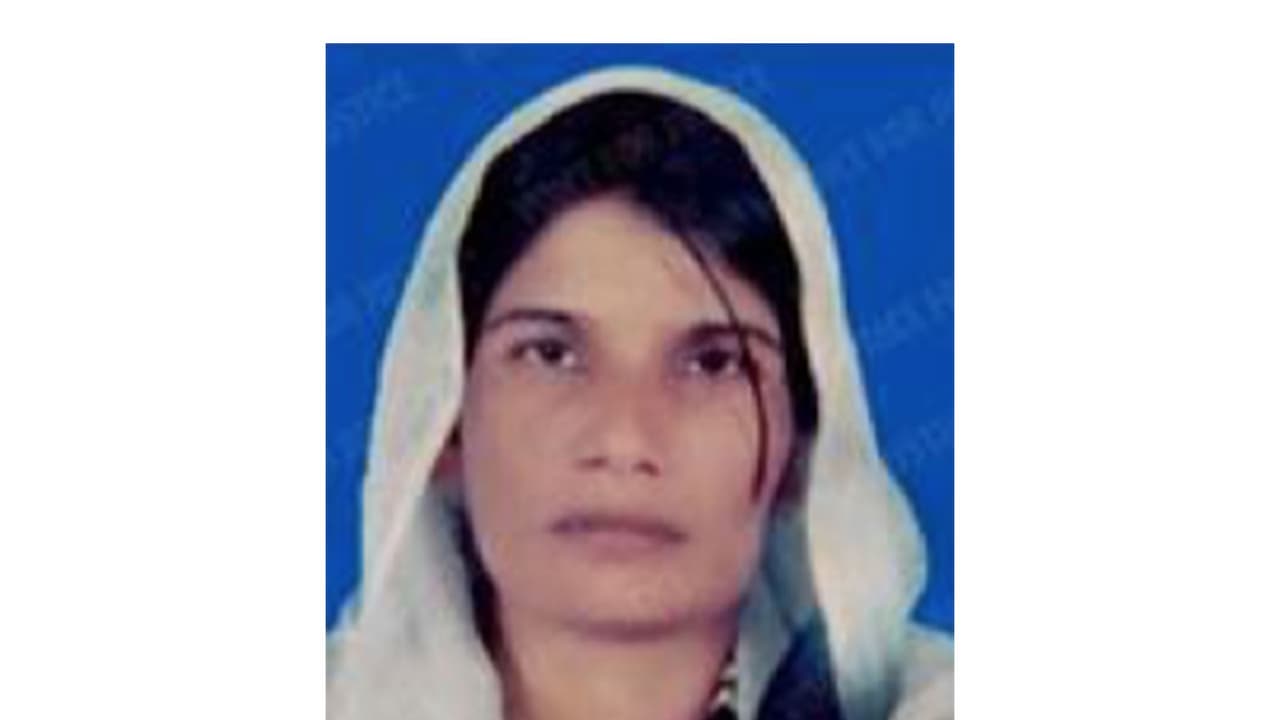
Jubilee Campaign's Hulda Fahmi raised the case of Shagufta Kiran, a Christian woman jailed in Pakistan for blasphemy, at the UNHRC. Fahmi urged the council to push for the repeal of blasphemy laws and the release of religious prisoners.
During the 61st session of the UN Human Rights Council (UNHRC) in Geneva, Jubilee Campaign representative Hulda Fahmi, during an interactive dialogue with the Special Rapporteur on Torture, highlighted the case of Shagufta Kiran, a Christian woman imprisoned in Pakistan over blasphemy allegations. Fahmi urged the council to prioritise the repeal of anti-apostasy and blasphemy laws worldwide, noting that many individuals remain imprisoned under what she described as dehumanising conditions for exercising their freedom of conscience. She specifically called for the release of several religious prisoners, including Kiran, while highlighting the broader impact of such laws on minority communities.
The Case of Shagufta Kiran
Shagufta Kiran, a Pakistani Christian, has been detained since July 29, 2021, and is currently being held at Central Jail Adiala in Rawalpindi. She was arrested after being accused of forwarding allegedly blasphemous material through WhatsApp in September 2020. During the operation, authorities reportedly raided her home, seized electronic devices, and detained her husband and two sons, who were later released. Kiran faces multiple charges under Pakistan's blasphemy laws, including "intending to outrage religious feelings" under Section 295-A of the Pakistan Penal Code and "insulting the Prophet Muhammad" under Section 295-C. Additional charges include offences under Sections 298 and 298-A related to derogatory remarks about religious figures, along with abetment under Section 109. Authorities have also invoked provisions of the Prevention of Electronic Crimes Act, 2016, alleging online hate speech and incitement of interfaith hostility.
According to reports, the accusations have forced members of Kiran's family to go into hiding due to safety concerns.
HRCP Report Highlights Widespread Persecution
A report by the Human Rights Commission of Pakistan (HRCP) titled "Under Siege: Freedom of Religion or Belief in 2023/24" highlighted ongoing attacks on religious minorities in Pakistan, including mob violence against their homes and places of worship, desecration of Ahmadiyya graves, arbitrary detentions, and the forced conversion of Hindu and Christian women and girls. The report revealed that over 750 people were imprisoned on blasphemy charges by October 2024, with at least four faith-based killings documented, three of which targeted members of the Ahmadiyya community.
Mob Violence and Social Media Incitement
One of the major concerns raised in the report is the widespread use of social media to incite violence, particularly in cases related to blasphemy allegations. The HRCP report also highlighted two notable mob attacks on the Christian community in Jaranwala and Sargodha, which were fuelled by social media posts.
Despite investigations by the Special Branch in Punjab, no meaningful action has been taken against the groups allegedly orchestrating these false blasphemy accusations, the HRCP statement said. The report further underscored the ongoing impunity for perpetrators of hate crimes and violence, noting limited accountability. However, it acknowledged some positive developments, such as occasional judicial relief for victims and suspects of faith-based violence.
Call for Legal and Constitutional Reforms
According to a press release, HRCP's National Interfaith Working Group, which advocates for the rights of religious minorities, stressed the need for reforms to discriminatory laws. The group recommended constitutional amendments to allow religious minorities to hold the offices of President and Prime Minister. It also raised concerns about the influence of biased Muslim clergy in peace committees, inadequate compensation for victims of mob violence, and the lack of legal aid for those accused of blasphemy.
Other concerns highlighted included forced religious conversions, insufficient burial space for minorities, and the need for pro-minority legislation to be reviewed by the Human Rights Ministry instead of the Religious Affairs Ministry. The group further recommended the creation of a parliamentary minorities' caucus and the establishment of a commission to investigate the role of far-right lawyer groups in allegedly framing false blasphemy charges. (ANI)
(Except for the headline, this story has not been edited by Asianet Newsable English staff and is published from a syndicated feed.)