
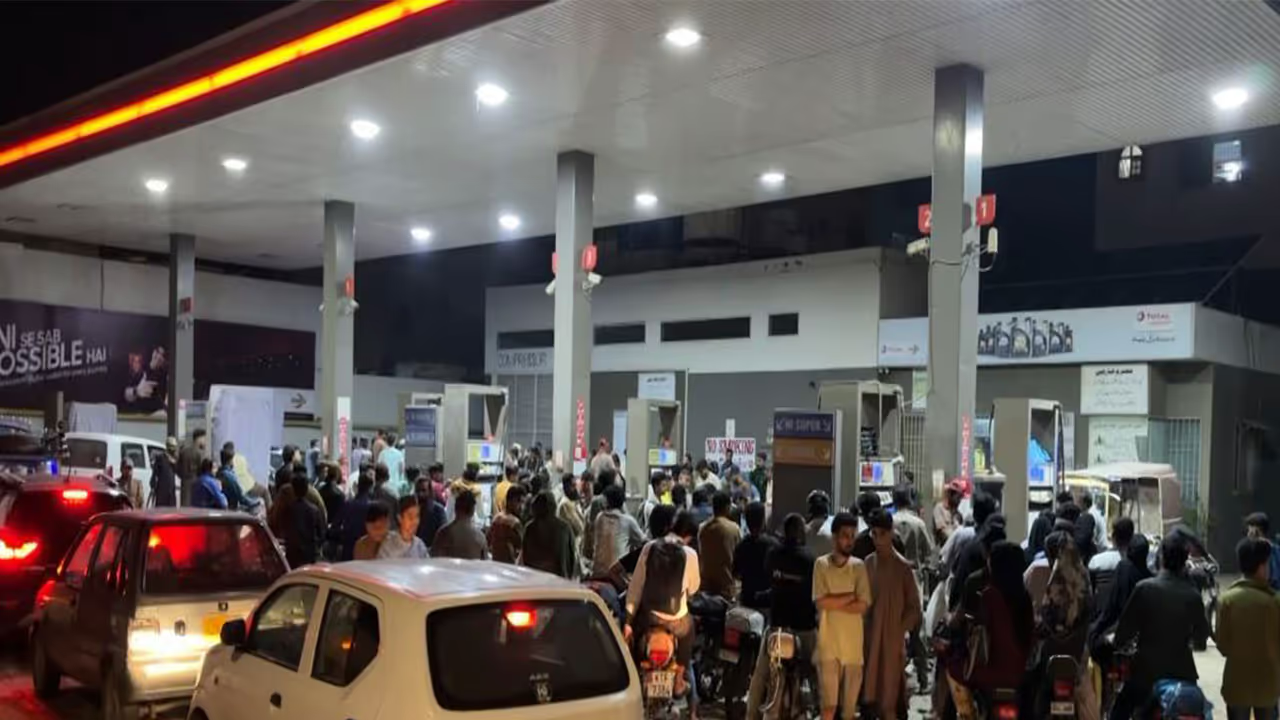
Karachi residents express anger after a sharp fuel price hike pushes petrol and diesel to record highs. The increase adds to financial stress, with fears of a ripple effect on the cost of essential goods amid an already dire economic crisis.
With the conflict in West Asia and the Gulf region impacting energy supplies, common people in Pakistan are facing the brunt of the fuel crisis. Residents of Karachi have expressed strong anger after the government sharply increased fuel prices, pushing petrol to a record PKR 458.40 per litre and diesel to PKR 520.35 per litre, effective April 3, 2026.
Public Outcry in Karachi
Long queues were seen at petrol stations across the city, as people rushed to fill their tanks amid fears of further price hikes. Many residents said the sudden increase has placed an unbearable burden on daily wage earners. "Earlier, prices were raised by around PKR 55, and now there's another steep hike of PKR 137. It's becoming impossible to manage household expenses," said one commuter.
Another resident lamented the spike in prices of fuel and called it "injustice against people" and said that the household finances would be deeply impacted with the rise in cost. Citizens also pointed out that rising gas prices have added to their financial stress, hitting low-income families the hardest.
Government Stance and Public Frustration
With limited job opportunities and already high inflation, many fear that the latest fuel price hike will trigger further increases in the cost of essential goods and services. Anger is growing on the streets, with residents accusing the government of failing to share the burden of the economic crisis, leaving ordinary people to bear the brunt. Pakistani news outlet Dawn reported on Thursday that Finance Minister Muhammad Aurangzeb said the decision for the hike in prices was taken with consensus among the national leadership to address the country's energy and food security challenges.
Nationwide Ripple Effects
Meanwhile, the country is facing ripple effects due to the rise in fuel prices. The sharp increase in petroleum prices has led to a surge in transportation costs, triggering a rise in the prices of essential food items across markets in the Punjab province of Pakistan, The Express Tribune reported on Monday, citing traders and market sources. (ANI)
(Except for the headline, this story has not been edited by Asianet Newsable English staff and is published from a syndicated feed.)