
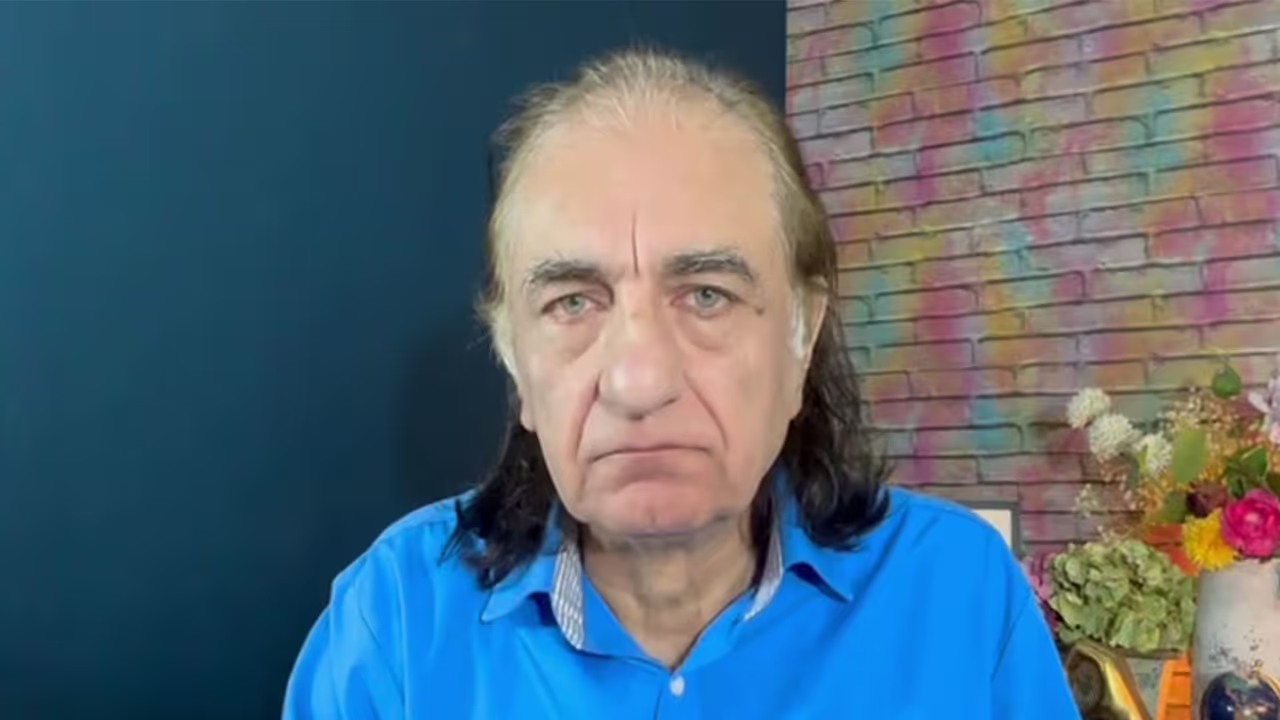
Amjad Ayub Mirza has criticised Pakistan’s proposed local elections in Gilgit-Baltistan, warning they lack meaningful democratic authority and will fail to resolve regional issues or ensure accountability for the local representative councils.
Concerns Over PoGB Local Elections
Scotland [UK], October 23 (ANI): Political activist from Pakistan-occupied Jammu and Kashmir (PoJK), Amjad Ayub Mirza, has criticised Pakistan’s proposed local government elections in Pakistan-occupied Gilgit-Baltistan (PoGB), alleging that the exercise could become another political arrangement without meaningful democratic empowerment.
In a video released on YouTube, Mirza questioned whether the elections, scheduled for December 5, 2026, would transfer authority to elected representatives or merely create the appearance of democracy under Pakistan’s existing political and administrative system.
Debate on Political Authority and Funding
Mirza also highlighted the lack of clarity surrounding the proposed powers of local councillors, councils and mayors. He questioned whether elected representatives would receive sufficient authority and development funds to address local issues, warning that elections alone would not guarantee democratic governance.
The activist compared the proposed polls with local government elections held in PoJK after a gap of 33 years. He claimed that councillors there continued to operate without adequate powers or development funding, while significant authority remained concentrated elsewhere.
Calls for Reform and Political Rights
He also referred to the Joint Awami Action Committee’s (JAAC) demands in PoJK, including the abolition of 12 Assembly seats that he alleged were used to influence government formation and political outcomes. Mirza linked the committee’s movement to wider demands for political rights, accountability and the rule of law.
Discussing PoGB’s political landscape, he referred to activists Ahsan Ali Advocate and Baba Jan, highlighting the history of political mobilisation and imprisonment associated with demands for rights in the region. He argued that competing political and ideological narratives had hindered the emergence of a unified movement focused on PoGB’s political future. (ANI)
(Except for the headline, this story has not been edited by Asianetnews Editorial staff and is published from a syndicated feed.)
