
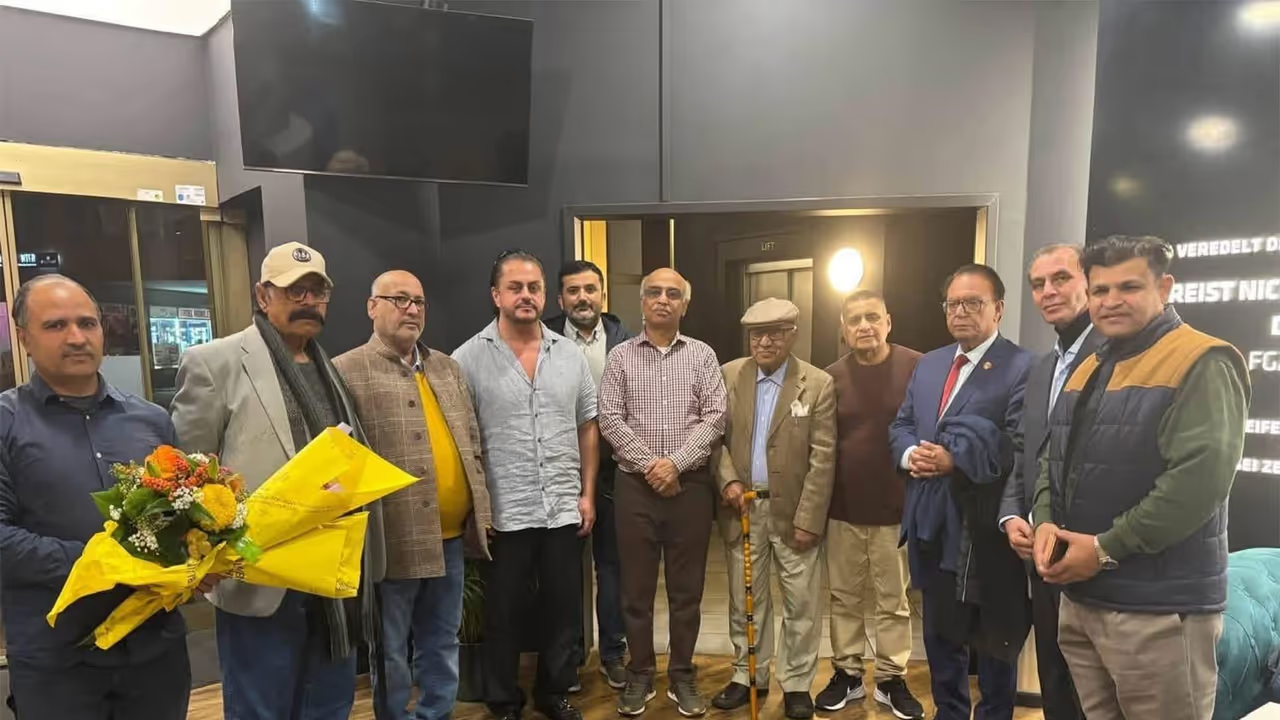
JSMM Chairman Shafi Burfat has attacked Pakistan as a tool of Punjabi imperialism, demanding UN-supervised independence for Sindhudesh and an international alliance to challenge Pakistan's internal colonial system and human rights abuses.
JSMM Leader Denounces Pakistan's System
Shafi Burfat, chairman of the Jeay Sindh Muttahida Mahaz (JSMM), has launched a scathing attack on Pakistan, describing it as an instrument of Punjabi imperialism and accusing its military and political establishment of exploiting historically distinct nations through political oppression, economic discrimination and cultural suppression. Addressing the Sindhudesh Global Conference, Burfat called for a united international diplomatic front comprising Sindhi, Baloch, Pashtun, Saraiki and Kashmiri political representatives to challenge what he termed Pakistan's internal colonial system. He also demanded a referendum on Sindhudesh's independence under the supervision of the United Nations and the international community.
Claims of Economic and Cultural Exploitation
In his address, Burfat argued that Sindh was a historical nation with an identity rooted in the Indus Valley Civilisation and not merely an administrative unit of Pakistan. He alleged that the country's political and economic structure was dominated by Punjab, leaving other nationalities deprived of their political rights and natural resources. Accusing Islamabad of exploiting Sindh's resources, Burfat raised concerns over alleged water diversion from the Indus River, land acquisitions, and the control of mineral wealth, ports and energy resources. He stated that these policies had contributed to agricultural decline, poverty and demographic changes in Sindh.
Call for International Intervention and Resistance
The JSMM chairman also accused Pakistani security forces of enforced disappearances, extrajudicial killings and repression of political activists in Sindh and Balochistan. Referring to the 1971 Bangladesh Liberation War, he cited the atrocities committed against Bengalis as an example of the military establishment's historical record of repression. Burfat further stated that Pakistan's military influence, religious extremism and nuclear arsenal posed a threat to regional stability and called upon the international community to take custody of the country's nuclear weapons. Emphasising the need for collective resistance, he urged Baloch, Pashtun, Saraiki and Kashmiri leaders and diaspora representatives to establish an anti-colonial alliance against what he described as Punjabi domination.
(Except for the headline, this story has not been edited by Asianet Newsable English staff and is published from a syndicated feed.)








