
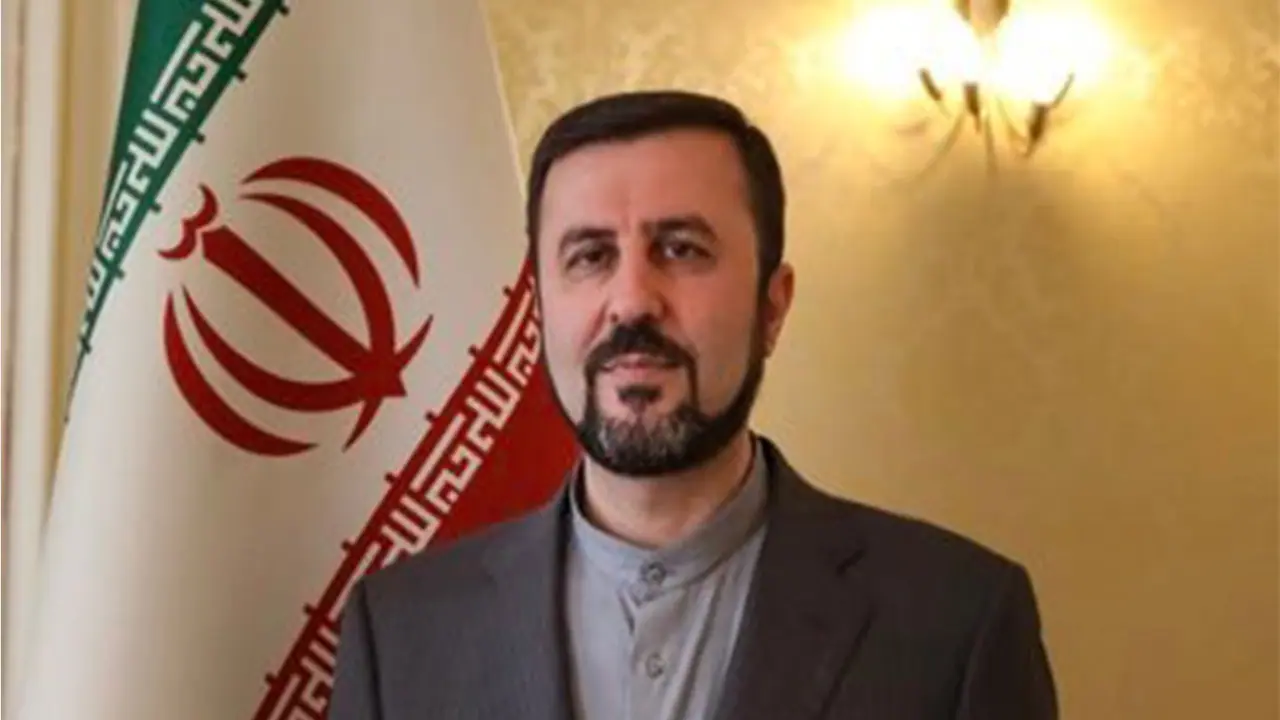
Iran has voiced strong opposition to a French aircraft carrier's deployment in the Strait of Hormuz, warning of a 'decisive and immediate response' to any naval cooperation with the US, viewing it as a direct provocation.
Iran has voiced strong opposition to the deployment of a French aircraft carrier intended for a potential mission aimed at restoring "confidence among shipowners" within the volatile Strait of Hormuz. The diplomatic friction intensified after Iran's Deputy Foreign Minister, Kazem Gharibabadi, issued a stern warning on the social media platform X. He cautioned that any international naval cooperation with Washington's current maritime strategy would be viewed as a direct provocation.
Gharibabadi wrote that "the presence of French and British warships, or those of any other country potentially accompanying the illegal and internationally unlawful actions of the United States in the Strait of Hormuz, will be met with a decisive and immediate response".
Diplomatic Efforts Amid Naval Buildup
Al Jazeera reported that the French Ministry of Armed Forces confirmed last week that the nuclear-powered Charles de Gaulle aircraft carrier was travelling towards the strategic waterway. The deployment comes as French President Emmanuel Macron and British Prime Minister Keir Starmer spearhead an international mission dedicated towards "restoring freedom of navigation" in the critical shipping lane.
While Western powers bolster their naval presence, Iran formally submitted its reply to the most recent American proposal for regional de-escalation on Sunday. State media confirmed the message was transmitted via Pakistani mediators, following an announcement from Tehran that it had finished a detailed review of Washington's proposal.
Iran's '14-Point Plan'
According to Iran's state-run IRNA news agency, the present stage of discussions is expected to concentrate on ending the ongoing conflict in the region. This latest communication comes amid reports that Tehran has formulated a "14-point plan" intended to counter the US-supported "nine-point peace plan".
The Iranian proposal reportedly outlines a three-stage roadmap, which includes a 30-day phase designed to transition a temporary ceasefire into a permanent end to hostilities. As part of the negotiations, Tehran has sought sanctions relief, the removal of restrictions on Iranian ports, the withdrawal of US troops from the region, and a halt to Israeli military operations in Lebanon.
Heightened Friction in the Gulf
However, these intensifying diplomatic efforts are occurring against a backdrop of heightened friction and a potential breakdown of stability in the Gulf. Iran recently cautioned that its "restraint is over" and issued threats of retaliation should its vessels be targeted. This warning follows a series of reports regarding strikes on commercial shipping near the Strait of Hormuz and the coast of Qatar.
Further complicating the security landscape, Iran's Revolutionary Guards have warned of "heavy attacks" against American interests in the event of further strikes on Iranian tankers. These statements follow reports that a US fighter jet disabled two Iranian-flagged vessels in the Gulf of Oman, leaving the region caught between a fragile peace process and the threat of expanded naval warfare. (ANI)
(Except for the headline, this story has not been edited by Asianet Newsable English staff and is published from a syndicated feed.)