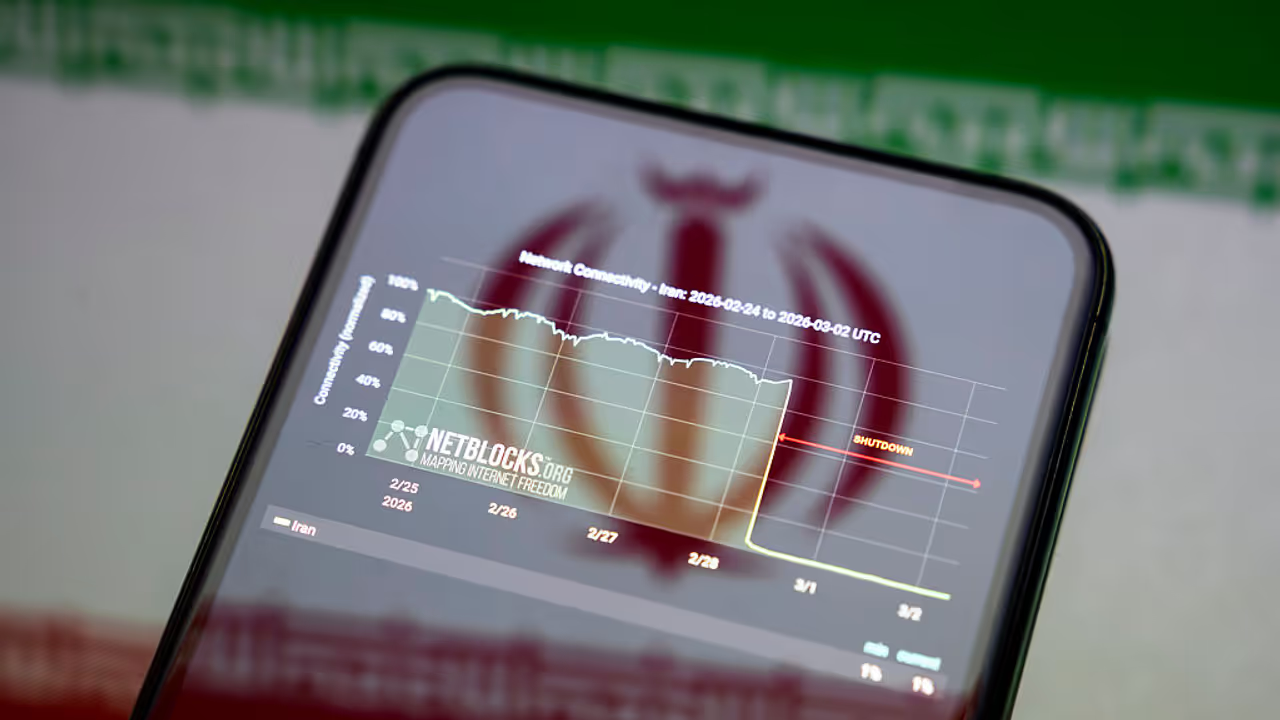
Iran’s internet has collapsed to just 1% of normal levels after authorities imposed a nationwide blackout amid US and Israeli air strikes, leaving millions cut off from news, communication and the outside world.
Iran is experiencing one of its most severe internet shutdowns in recent years, leaving millions of people struggling to communicate, access news, or even reach their families abroad. According to internet monitoring group NetBlocks, connectivity across the country has collapsed to almost nothing as authorities maintain sweeping restrictions following escalating military strikes by Israel and the United States.
The blackout has now stretched well beyond five days, deepening anxiety inside the country as residents try to piece together what is happening around them.
Internet Connectivity Drops to Just 1 Percent
Monitoring data suggests the scale of the shutdown is unprecedented.
Related Articles

"Iran's internet blackout has now exceeded 120 hours with connectivity still flatlining around 1 percent of ordinary levels," NetBlocks said in a message posted on social media platform X on Thursday.
Authorities reportedly cut access on Saturday shortly after Israeli and US air strikes began, effectively isolating the country digitally.
With such limited connectivity, most Iranians are unable to access independent news outlets, social media platforms, or messaging services.
Communication Becoming Nearly Impossible
For ordinary citizens, the blackout has turned everyday communication into a frustrating struggle.
"The internet speed is very slow," a Tehran resident told AFP by message, asking to remain anonymous for security reasons. "You can't call and voice messages don't get delivered. We can just text."
Even basic international phone calls are failing. Calls from overseas to Iranian mobile phones or landlines are reportedly almost impossible to complete.
Many people are left relying on rare moments when the internet briefly reconnects.
Starlink and Workarounds Offer Limited Relief
In a desperate attempt to stay connected, some Iranians have turned to illegal subscriptions of Starlink, the satellite-based internet service owned by Elon Musk.
But even these workarounds are risky.
NetBlocks says Iranian telecom providers have started warning users against trying to access the global internet.
The organisation reported that telecom companies are sending messages to "threaten users who try to connect to the global internet with legal action."
VPNs Struggle as Connection Collapses
Under normal circumstances, many Iranians rely on VPN services to bypass state restrictions and access platforms such as Instagram.
But the current network conditions are making even those tools useless.
"The internet situation here is abysmal," a resident in Bukan in western Iran, who asked not to be named, said in a message sent to AFP. "It connects and disconnects. The connection is slow so the VPNs don't work."
Citizens Helping Each Other Stay Informed
With reliable information hard to find, some residents are stepping in to help others stay updated.
Shima, a 33-year-old living in Tehran, said she has been relaying updates to friends and families who cannot connect online.
"I need to call a lot of people, even strangers, on behalf of their families," she said.
Her efforts reflect how ordinary people are trying to bridge the communication gap created by the blackout.
Travellers Forced to Navigate Without Internet
The shutdown is also affecting people trying to leave the country.
Travellers crossing Iran's borders say they are making long journeys without access to navigation tools like Google Maps.
Without internet connectivity, many are travelling blindly, relying on word of mouth or local guidance to find safe routes.
Not the First Nationwide Shutdown
Iran has imposed sweeping internet restrictions before during moments of crisis.
Authorities previously cut connectivity for weeks during nationwide protests in January and also imposed a shutdown during a 12-day war with Israel last June.
But the current blackout, unfolding amid an escalating regional conflict, has left the country more digitally isolated than ever.
For millions of Iranians, the result is a growing sense of uncertainty — and silence from the outside world.
(With inputs from AFP)