Iran warns diaspora of property confiscation for “cooperating” with US or Israel as Mojtaba Khamenei takes charge; war escalates, oil soars past $100, civilian toll rises across region.
Iran has issued a stark warning to members of its diaspora, saying Iranians living abroad who “cooperate” with Israel or the United States could face the confiscation of their property and other legal penalties. The warning comes at a moment of major political upheaval and escalating regional conflict, as Ayatollah Mojtaba Khamenei assumes power following the death of his father, Iran’s long‑time supreme leader Ayatollah Ali Khamenei.
The developments unfold against the backdrop of a widening war between Iran and Israel, which has already pushed global oil prices sharply higher and drawn several Gulf nations deeper into the conflict.
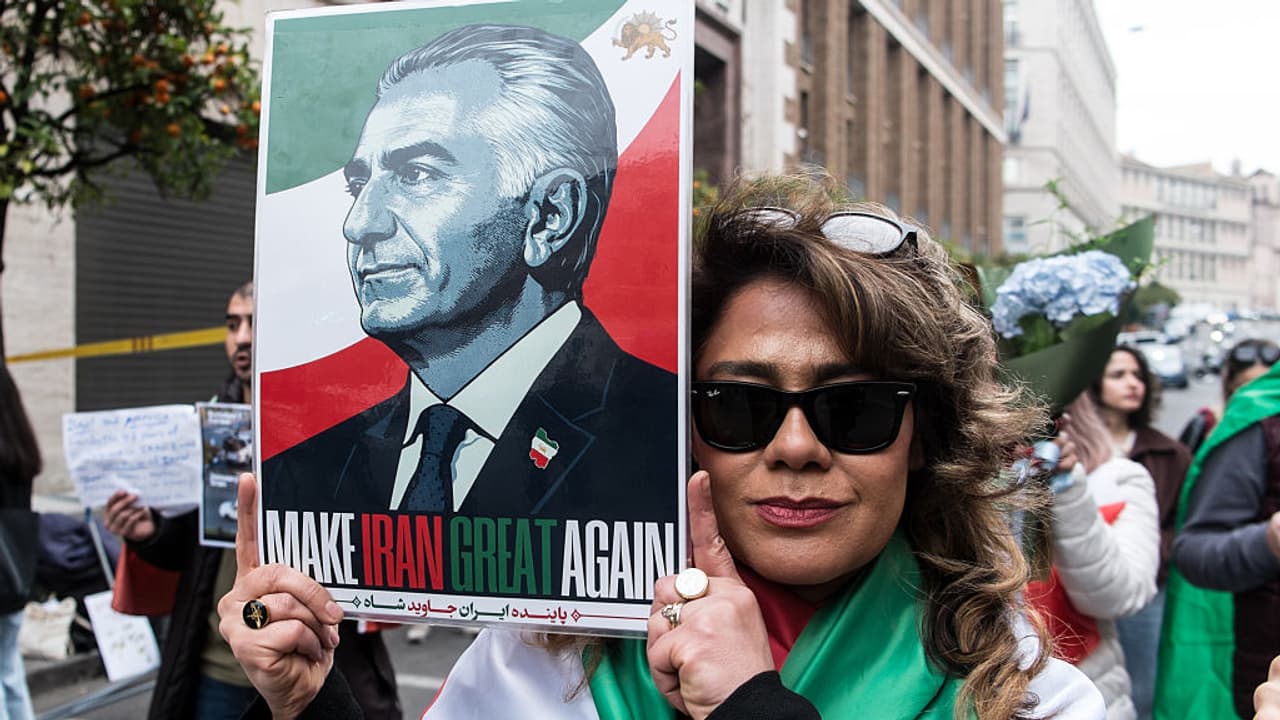
Iran Threatens Asset Seizures For Diaspora ‘Cooperation’
Iran’s judiciary announced on Monday that the government will take strict action against Iranian nationals abroad who are seen as collaborating with Washington or Tel Aviv.
Related Articles

“Iranians abroad who align, accompany and cooperate with the American-Zionist aggressor enemy will face confiscation of all their property and other legal penalties in accordance with the law,” the judiciary's Mizan Online website said, quoting the prosecutor general's office.
According to the report, the measure is based on legislation adopted after a brief but intense 12‑day war with Israel in June, during which the United States also carried out strikes.
Also read: From ‘Gatekeeper’ to Supreme Leader: The Quiet Rise of Mojtaba Khamenei Amid Iran War
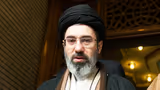
Mojtaba Khamenei Named Supreme Leader
The announcement came hours after Iran confirmed that Ayatollah Mojtaba Khamenei, son of the late Ayatollah Ali Khamenei, has been appointed as the country’s new supreme leader.
Iranian state media said the powerful Assembly of Experts moved quickly to select the successor despite what it described as “the brutal aggression of the criminal America and the evil Zionist regime.”
Television footage showed a missile prepared for launch carrying the slogan “At your command, Sayyid Mojtaba,” underscoring the symbolic shift in leadership during wartime.
The younger Khamenei replaces a leader who ruled Iran for nearly four decades and was killed in the first wave of US‑Israeli strikes earlier in the conflict.
War Drives Oil Prices Above $100
As Iran retaliated against Israel and Gulf states it accuses of supporting its enemies, global energy markets reacted immediately.
The benchmark price of crude oil surged past $100 a barrel for the first time since Russia’s invasion of Ukraine four years ago. The spike reflects fears that the conflict could disrupt major oil exports from the Middle East.
Iran launched drones and missiles across the Gulf region, prompting Saudi Arabia to intercept drones targeting its oil fields. Bahrain’s state energy company warned that it may struggle to meet export commitments after strikes damaged the Al Ma'ameer oil facility.
The company joined counterparts in Qatar and Kuwait in declaring “force majeure,” signalling that circumstances beyond their control could affect deliveries.
Across Asia, the shockwaves were immediate. Stock markets in Japan and South Korea fell by more than five percent, Filipino motorists queued at petrol stations fearing shortages, and Vietnam moved to scrap tariffs on fuel imports in a bid to cushion the impact.
Trump Dismisses Concerns Over Oil Spike
US President Donald Trump downplayed the surge in oil prices, framing it as an acceptable cost in the confrontation with Iran.
He described the spike as a “small price to pay” for eliminating what Washington claims is a nuclear threat from Tehran.
Speaking earlier on ABC News, Trump had also mocked Mojtaba Khamenei’s prospects, calling him a “lightweight.”
“If he doesn't get approval from us he's not going to last long,” Trump said.
The US State Department has meanwhile ordered non‑emergency personnel to leave Saudi Arabia after a drone struck the American embassy, underscoring concerns that the conflict could widen further.
Trump also indicated that any decision about ending the war would be coordinated with Israeli Prime Minister Benjamin Netanyahu.
“I think it's mutual... a little bit. We've been talking. I'll make a decision at the right time, but everything's going to be taken into account,” he said.
Fighting Intensifies Across the Region
The war has rapidly expanded beyond Iran and Israel, with clashes now spreading across several fronts.
In Lebanon, Iran‑backed Hezbollah militants said they were battling Israeli troops who landed in eastern Lebanon using 15 helicopters via the Syrian border.
The group said combat erupted after its fighters “engaged the helicopters and the infiltrating force with appropriate weapons.”
Lebanon’s National News Agency earlier reported “fierce clashes” near the town of Nabi Sheet, where an Israeli operation over the weekend reportedly killed 41 people.
Lebanon’s health minister said Israeli strikes have killed at least 394 people since the war began, including 83 children and 42 women.
Rising Civilian Toll
The humanitarian cost of the conflict continues to climb on multiple sides.
Iran’s health ministry said at least 1,200 civilians have been killed and around 10,000 wounded, although the figures could not be independently verified.
In Israel, Iranian missile attacks have killed 10 people, according to authorities.
Bahrain reported 32 people wounded after a drone attack on the island of Sitra, including a 17‑year‑old girl who suffered severe head and eye injuries and a two‑month‑old baby.
Saudi Arabia also confirmed that two people were killed and 12 wounded when a projectile struck Al‑Kharj province.
(With inputs from AFP)