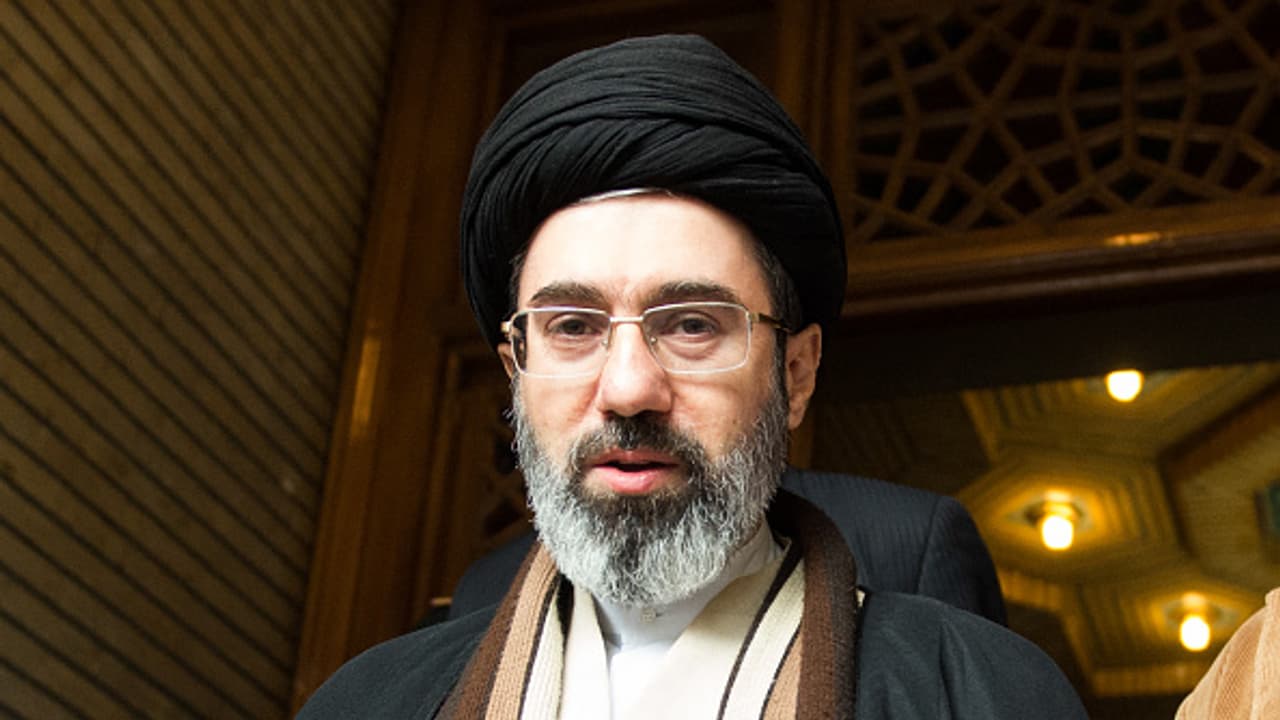
Mojtaba Khamenei, Iran’s new Supreme Leader, faces global scrutiny over a vast financial network. Long a powerful insider, he allegedly controls an international property empire, including $100M+ in London real estate, hidden through offshore firms and intermediaries to obscure ownership and bypass sanctions.
The rise of Mojtaba Khamenei as Iran’s new Supreme Leader has drawn global attention not only because of the geopolitical implications but also due to revelations about his vast financial network and property empire spanning multiple countries.
For years, Mojtaba—long considered a powerful but shadowy figure inside Iran’s ruling system—quietly built influence within political, military and business circles. Now, as he takes control of the Islamic Republic during a period of escalating conflict in the Middle East, scrutiny of his wealth and global investments has intensified.
From Low Profile Cleric To Powerful Insider
Born in 1969 in the northeastern Iranian city of Mashhad, Mojtaba Khamenei is the second son of former Supreme Leader Ayatollah Ali Khamenei. Despite rarely appearing in public and holding no formal government position for most of his life, Mojtaba gradually emerged as one of the most influential figures within Iran’s ruling establishment.
Related Articles

Much of his influence came from his role inside the Office of the Supreme Leader, where he reportedly acted as a “gatekeeper” to his father and helped shape political decisions behind the scenes. Over time he built close ties with powerful institutions such as Iran’s Islamic Revolutionary Guard Corps (IRGC), which plays a major role in the country’s security, economy and regional military strategy.
Analysts say Mojtaba spent decades cultivating networks among clerics, security officials and wealthy business elites. This quiet consolidation of influence allowed him to become a central power broker inside Iran’s political system long before he assumed formal leadership.
Also Read: Mojtaba Khamenei is Iran's new Supreme Leader amid war with Israel
Allegations Of A Global Property Network
Alongside his political influence, investigative reports and intelligence assessments have linked Mojtaba Khamenei to a sprawling network of international assets and investments. According to reports cited by multiple media outlets, he allegedly built a significant financial portfolio through intermediaries and business partners across Europe and the Middle East.
Although the exact value of his wealth remains unclear, Mojtaba is widely believed to be a multimillionaire with assets hidden within complex corporate structures and offshore entities. Some reports suggest that he holds bank accounts in Switzerland, while others point to investments in shipping and logistics businesses operating in the Persian Gulf region.
One of the most striking revelations concerns luxury real estate holdings in the United Kingdom. Investigations have linked Mojtaba or his associates to high-value properties in London worth more than $100 million, allegedly purchased through shell companies and intermediaries.
Transparency advocates say these investments illustrate how politically connected elites from sanctioned countries often move wealth into Western property markets using opaque ownership structures. According to anti-corruption researchers, such arrangements can make it extremely difficult to trace the true beneficiaries of assets.
Also Read: Iran Reaches Consensus on Next Supreme Leader After Khamenei’s Death, Name Awaited
Offshore Wealth And Financial Networks
Further investigations have suggested that Mojtaba Khamenei’s wealth is tied to an elaborate offshore financial system designed to move funds beyond the reach of sanctions. These networks reportedly involve layered corporate entities operating in multiple jurisdictions, allowing assets to be transferred discreetly across international borders.
In some cases, the assets are believed to be registered in the names of business partners or family associates rather than directly under Mojtaba himself. This structure helps obscure ownership and protect assets from potential legal action or sanctions enforcement.
Authorities in several countries have taken note of these allegations. Mojtaba Khamenei himself was sanctioned by the United States Treasury in 2019 for his role in supporting Iran’s political and security apparatus. The sanctions aimed to freeze any assets linked to him within the U.S. financial system and restrict international transactions involving his network.
Despite these restrictions, analysts say the complexity of the financial networks linked to Iran’s political elite makes it difficult to fully track or freeze their overseas wealth.
Role Of Business Allies
A number of reports have also highlighted the role of influential Iranian businessmen in helping build Mojtaba Khamenei’s financial empire. Some investigators have pointed to wealthy financiers and property developers who allegedly acted as intermediaries for investments in Western real estate and other assets.
These business partners are believed to have used shell companies and offshore jurisdictions to facilitate purchases of high-value properties and other investments abroad. In some cases, the funds used for these deals are suspected to have originated from sectors tied to Iran’s state-controlled economy, including oil revenues.
However, some individuals named in these investigations have denied any direct financial relationship with Mojtaba Khamenei, arguing that the allegations are politically motivated.
Also Read: Israel warns it will target any successor to Iran's supreme leader
Wealth, Power And Iran’s Political System
The revelations surrounding Mojtaba Khamenei’s wealth highlight broader questions about the intersection of political authority and economic power in Iran’s governing system. The office of the Supreme Leader already controls vast economic resources through religious foundations, state-owned enterprises and parastatal organizations that oversee major sectors of the economy.
These institutions, created after the 1979 Islamic Revolution, manage billions of dollars in assets ranging from real estate and banking to telecommunications and industrial companies. Because they operate outside normal government oversight, they have long been criticized for a lack of transparency and accountability.
Critics argue that the system allows those close to Iran’s leadership to accumulate enormous wealth while maintaining significant political power.
Leadership Amid War And Global Pressure
Mojtaba Khamenei’s ascent to the position of Supreme Leader comes at an extremely turbulent moment for Iran. The country is currently embroiled in an escalating regional conflict involving Israel and the United States, following the killing of his father in a joint strike earlier in 2026.
His leadership is expected to continue the hardline policies associated with the Iranian regime, particularly regarding relations with the West and Iran’s regional allies. Support from the powerful Revolutionary Guards has been crucial in consolidating his authority during this volatile period.
At the same time, Mojtaba faces domestic pressure from a population struggling with economic hardship and political unrest. Some analysts believe that public frustration with corruption and elite wealth could further fuel dissent inside Iran.
A Controversial Rise
The emergence of Mojtaba Khamenei as both a powerful political figure and a wealthy global investor has sparked intense debate among policymakers and analysts worldwide. His rise represents an unprecedented moment in the Islamic Republic’s history—effectively a dynastic transition within a revolutionary system that once rejected hereditary rule.
For critics of Iran’s leadership, the alleged global property empire linked to Mojtaba symbolizes the contradictions within the country’s ruling elite: a government that publicly denounces Western influence while quietly investing billions of dollars in Western markets.
As Iran enters a new phase under his leadership, the combination of political authority, military backing and vast financial resources could make Mojtaba Khamenei one of the most influential—and controversial—figures in global geopolitics today.