Europe’s top human rights court has held Russia responsible for human rights violations in Ukraine and the downing of Malaysia Airlines Flight MH17, marking a major legal milestone.
On a day that many had been waiting for, Europe’s top human rights court finally delivered a resounding verdict — one that directly points fingers at the Kremlin. The European Court of Human Rights (ECHR), based in Strasbourg, ruled on Wednesday that Russia violated international law during its war in Ukraine.
This is the first time an international court has explicitly held Russia responsible for human rights abuses since its full-scale invasion began in 2022. And for those who’ve lost loved ones in this war, or during the years of bloodshed before it, the judgment offers a rare but meaningful form of recognition.
Russia Named in MH17 Downing for the First Time
Alongside the ruling on the war in Ukraine, the ECHR made another historic move — naming Russia as responsible for the 2014 downing of Malaysia Airlines Flight MH17.
Related Articles

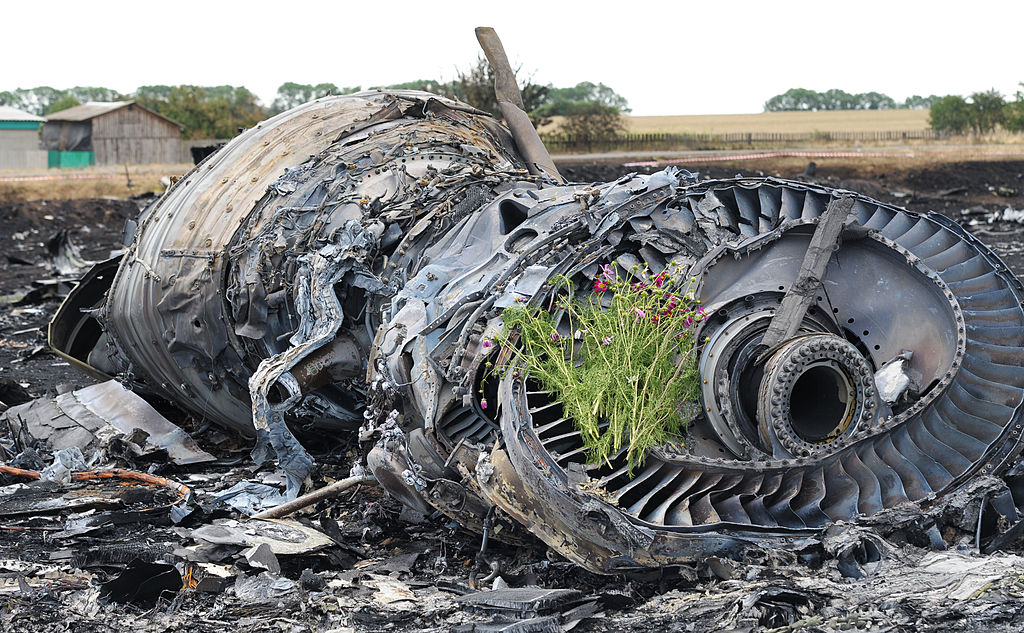
The Boeing 777, flying from Amsterdam to Kuala Lumpur, was torn apart mid-air on July 17, 2014, killing all 298 passengers and crew on board. Among them were 196 Dutch citizens. Until now, legal findings had circled around the issue — but Wednesday's ruling leaves little room for ambiguity.
The court confirmed what families have long suspected: that a Russian-made Buk missile fired from separatist-controlled territory in eastern Ukraine was behind the attack. That missile system had been transported in from Russia and was swiftly taken back after the incident.
“A Real Step in Understanding Who Was Really Responsible”
For many families who’ve carried this grief for over a decade, the court’s decision is more than just legal language — it’s a glimmer of justice. Thomas Schansman, who lost his 18-year-old son Quinn in the MH17 tragedy, described the ruling as a turning point.
“It’s a real step in understanding who was really responsible,” Schansman was quoted as saying in an Associated Press report.
Even after all these years, he hasn’t given up. Schansman has filed an individual case with the ECHR and continues to push for accountability.
“The worst thing we could do is stop fighting,” he said. “MH17 is not a case that will disappear for Russia.”
A Verdict with Symbolic Power
It’s important to note that Russia was expelled from the Council of Europe in 2022 — the same year its full-scale invasion of Ukraine began. That means these rulings, while powerful, are mostly symbolic. The Kremlin is unlikely to respond or comply.
Still, the court has made it clear: even before its expulsion, Russia was deeply involved in supporting separatists in eastern Ukraine — not just with weapons, but with political backing, economic help, and overall control. In 2023, the judges concluded that these areas were “under the jurisdiction of the Russian Federation.”
The ECHR rulings on Wednesday are far from the last. Ukraine has several more cases pending, and nearly 10,000 individual complaints have been filed by citizens who have suffered due to Russian actions.
Meanwhile, other legal efforts are unfolding across the globe. A Dutch court previously convicted two Russians and one Ukrainian rebel in absentia for their roles in the MH17 attack. And last month, Ukrainian President Volodymyr Zelenskyy approved plans to establish a new international tribunal aimed at prosecuting top Russian officials for the invasion itself.