
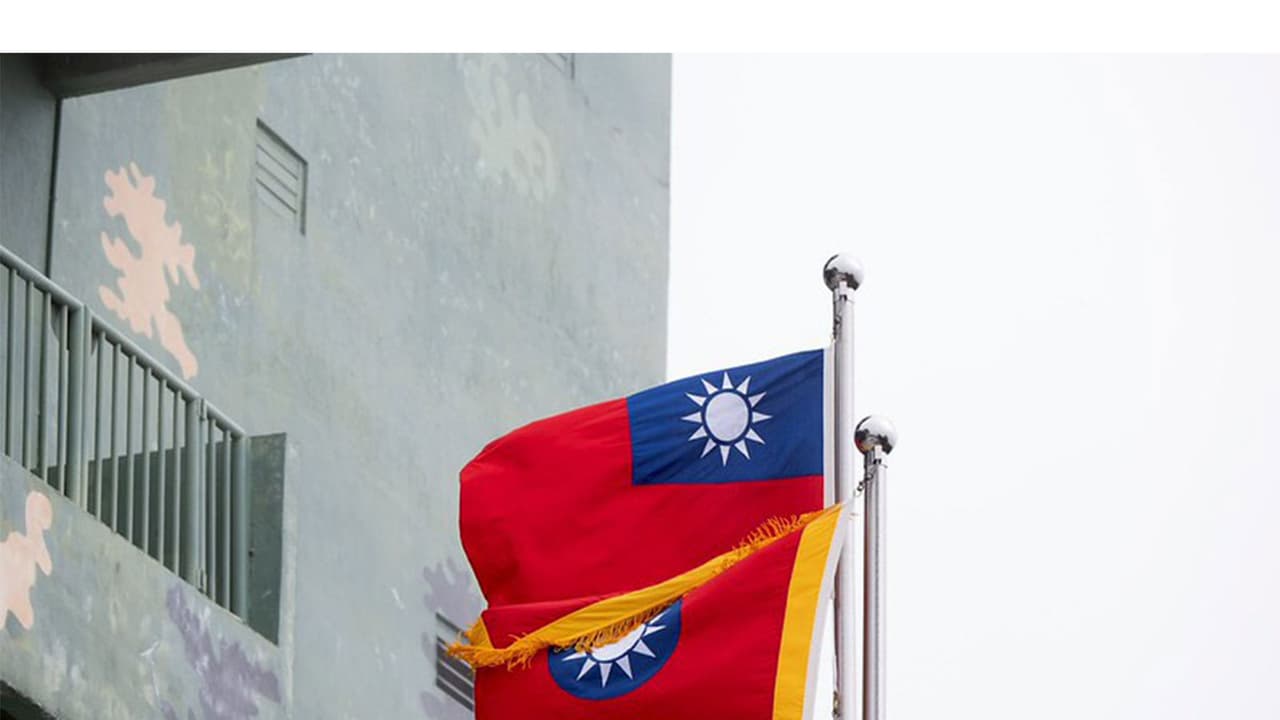
China allegedly pressured Zambia to block Taiwanese delegates and censor content for the RightsCon digital rights summit. Organisers Access Now cancelled the event, citing the demands as a 'clear red line' and an act of 'transnational repression'.
China has been accused of pressuring Zambia to block Taiwanese participation and censor discussions critical of Beijing ahead of the RightsCon digital rights summit, prompting organisers to condemn what they described as "transnational repression."
The controversy forced the cancellation of the global human rights gathering that was scheduled to take place in Lusaka from May 5 to May 8, as reported by Focus Taiwan. According to Focus Taiwan, RightsCon organiser Access Now said Zambian authorities attempted to impose conditions linked to Beijing's "one China" policy before allowing the event to proceed.
Organisers Decry 'Unprecedented' Interference
Access Now Co-Executive Director Alejandro Mayoral Banos stated that demands to exclude Taiwanese delegates and moderate China-related content crossed "a clear red line" for the organisation, which has promoted freedom of expression and digital rights for over a decade. The annual summit was expected to host more than 2,600 participants, including government officials, activists, business leaders and NGOs from across the world.
The program included over 500 panels and workshops addressing artificial intelligence governance, censorship, internet freedom and transnational repression. RightsCon Director Nikki Gladstone stated that a Zambian official informed her that Chinese diplomats were exerting pressure on Lusaka ahead of the summit. She said organisers also learned through separate sources that China wanted sessions aligned with criticism of Beijing or Taiwan-related issues to be toned down.
Gladstone described the interference as "absolutely unprecedented." Access Now refused to comply with the demands, insisting that the conference's core mission was inclusivity and the protection of marginalised voices.
Fears of China's Growing Influence
Several organisations, including Amnesty International Taiwan and the Open Culture Foundation (OCF), had already arranged for Taiwanese representatives to attend the summit before the event was abruptly postponed, as highlighted by Focus Taiwan.
Political analyst Yen Chen-shen said the episode highlighted China's growing efforts to expand enforcement of its "one China" principle internationally. Zambia, which has maintained strong diplomatic and economic ties with China since independence, was vulnerable to Chinese influence because of its economic dependence on Beijing, he said.
The Open Culture Foundatio stated that similar incidents could become more common as China increases pressure on countries hosting international forums involving Taiwanese participants. (ANI)
(Except for the headline, this story has not been edited by Asianet Newsable English staff and is published from a syndicated feed.)