
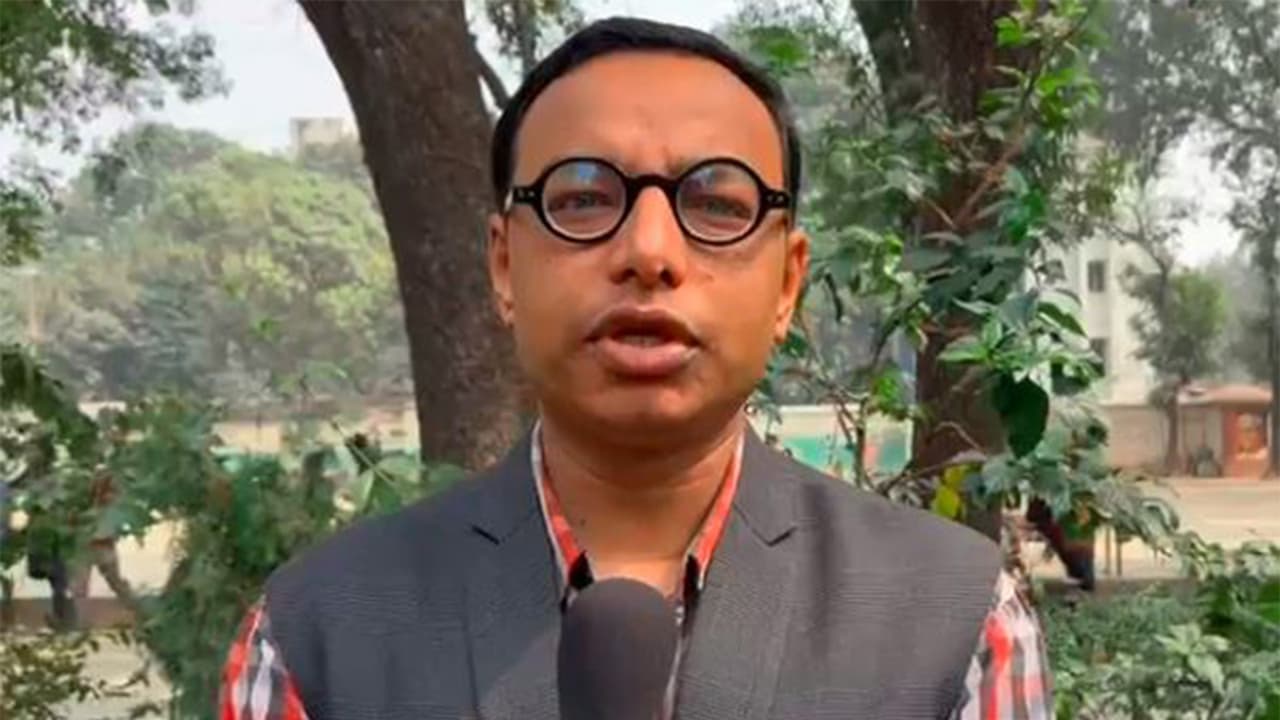
As Bangladesh nears its 13th election, a Dhaka University expert highlights it as a critical moment with new political thinking. He points to voter eagerness but also notes minority fears and the challenge of undemocratic behavior among political actors.
As Bangladesh moves toward its 13th national election, political leaders, institutions and voters alike are navigating what many describe as a critical democratic moment. With anticipation building across the country, questions of participation, minority rights, and the conduct of political actors have taken center stage.
A New Political Context
Speaking about the upcoming polls, Tawohidul Haque, Associate Professor and Criminologist, University of Dhaka, noted, "And in a new context, the 13 national elections is going to be held." According to him, the evolving political landscape has opened space for new thinking and engagement. "The participatory aspects from the political parties where the voters have made new arena were the new thinking aspects," he said.
Across Bangladesh, citizens are preparing to exercise their democratic rights. "The voters with the population in Bangladesh are eagerly waiting to cast their vote or to participate in the different types of electoral manifesto or the campaigns, et cetera," he added, reflecting a sense of expectation among the electorate.
Minority Rights and Security Concerns
However, concerns remain, particularly regarding minority communities. Emphasizing the importance of unity, he stated, "From the humanitarian context to what the right-based society or the country, we should not divide the people, majority or the minority."
He acknowledged that minority populations expect constitutional protections: "Right now the minority populations or the minority community in our country, they expect the different types of rights or the different types of privilege properly based on the constitution or the legal aspects."
Confidence in State Institutions
He also recognized reports of insecurity. "Some minority people or the minority voter or the citizen in some place in our country, they are in fear, no doubt," he said, while expressing confidence in state institutions. Law enforcement agencies, government bodies, and the Election Commission, he argued, are taking steps to ensure voter safety. "If worked properly, then these types of challenges or the threats will be under remedy or under control," he said, adding that proper implementation could deliver "a proper election, we'll get expected elections or the optimum elections."
The Challenge of Democratic Conduct
The importance of democratic behavior was another recurring theme. While acknowledging that interventions for a "free, fair and participatory election" have been undertaken, he stressed that enforcement and civic responsibility remain crucial. "Most of the candidates when their followers as well as in some cases were in some place the voters, they are orally more democratic, but in action in some cases they are non-democratic or undemocratic," he observed.
He argued that all stakeholders must uphold democratic norms. "The responsibilities from all corners or the responsibilities of stakeholders including population is much more important to see a free and fair elections," he said.
Defining a 'Participatory' Election
Addressing questions about participation of major political forces, he maintained that voter turnout is fundamental. "Actually the participatory election depends on two things. Number one, the participation of the people that means voter, the voter participation. And another important factor is the participation."
As Bangladesh approaches election day, the focus now turns to whether institutions, political actors and citizens alike can translate preparation into practice, ensuring that the vote reflects both democratic principles and public confidence.
(Except for the headline, this story has not been edited by Asianet Newsable English staff and is published from a syndicated feed.)