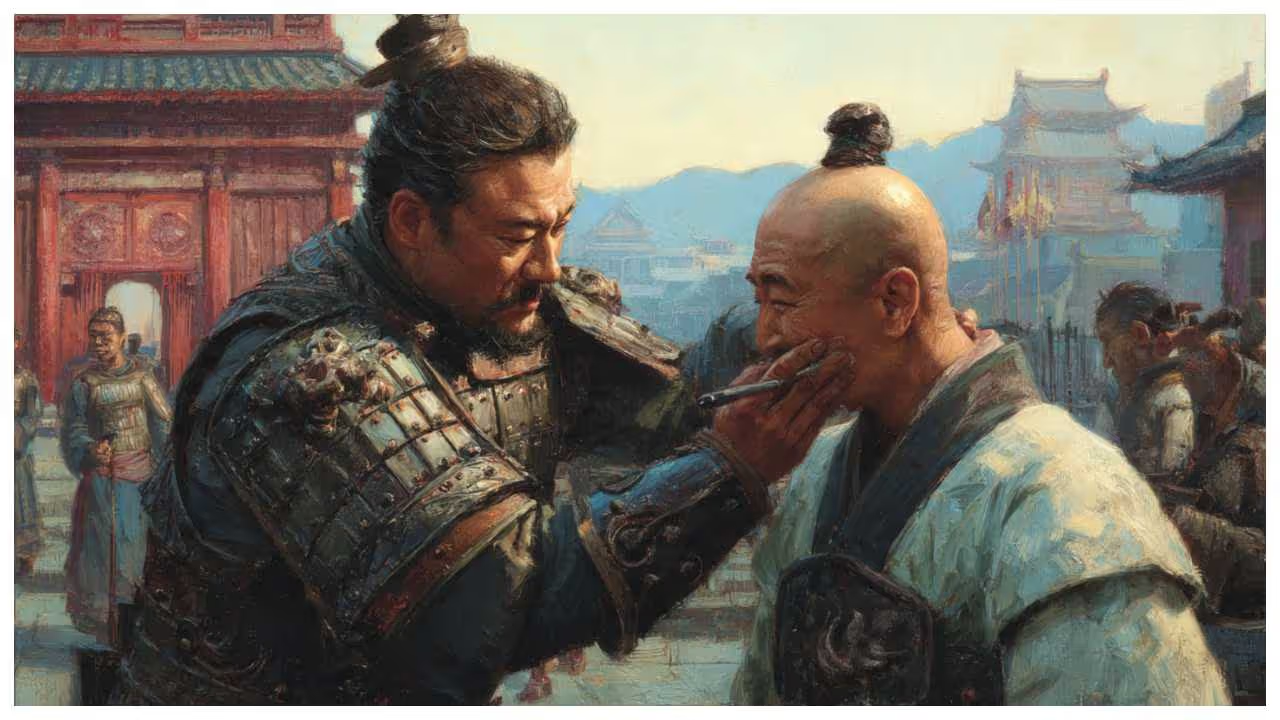
Ancient China’s laws were extremely strict, where even crying in public or poor handwriting could lead to harsh punishments. Men could have their facial hair shaved off for crying, while candidates with bad handwriting were reportedly forced to drink ink.
Think our laws are strict? Ancient China’s legal system took discipline to an extreme level that feels almost unimaginable today. According to a report in The South China Morning Post, even minor acts such as crying in public or having poor handwriting could lead to severe and unusual punishments. Historians say these strict laws were designed to maintain social order, enforce discipline, and ensure absolute loyalty to rulers.
Crying In Public Was Treated As Weakness
During the Qin dynasty, a grown man crying in public was considered a serious offence. Rulers believed that showing tears reflected weakness and undermined the strong, disciplined image expected of men.
The punishment was severe and humiliating. The man’s moustache, beard, and even eyebrows were shaved off completely, making it a form of public disgrace rather than just punishment.
Related Articles

Bad Handwriting Led To Drinking Ink
Another unusual rule came from the Sui dynasty during the early development of China’s civil service examination system, similar in concept to today’s UPSC exams.
Since these exams were seen as a reflection of respect towards the emperor, neat handwriting was considered essential. Candidates with messy handwriting were reportedly punished by being forced to drink ink, highlighting how seriously presentation and discipline were taken.
Severe And Cruel Public Punishments
Historical records also describe far harsher punishments for more serious offences. Ancient Chinese texts mention penalties such as facial tattooing, amputation of body parts, and public executions carried out to instil fear and obedience.
Punishment Designed For Humiliation And Control
Most of these punishments were not only intended to cause physical pain but also to humiliate individuals publicly and permanently damage their social standing.
Experts note that these laws reflect the values of imperial China, where discipline, obedience, and loyalty to authority were central to governance. While such punishments were abolished centuries ago, they remain striking examples of how extreme legal systems once were, especially when viewed through a modern lens.