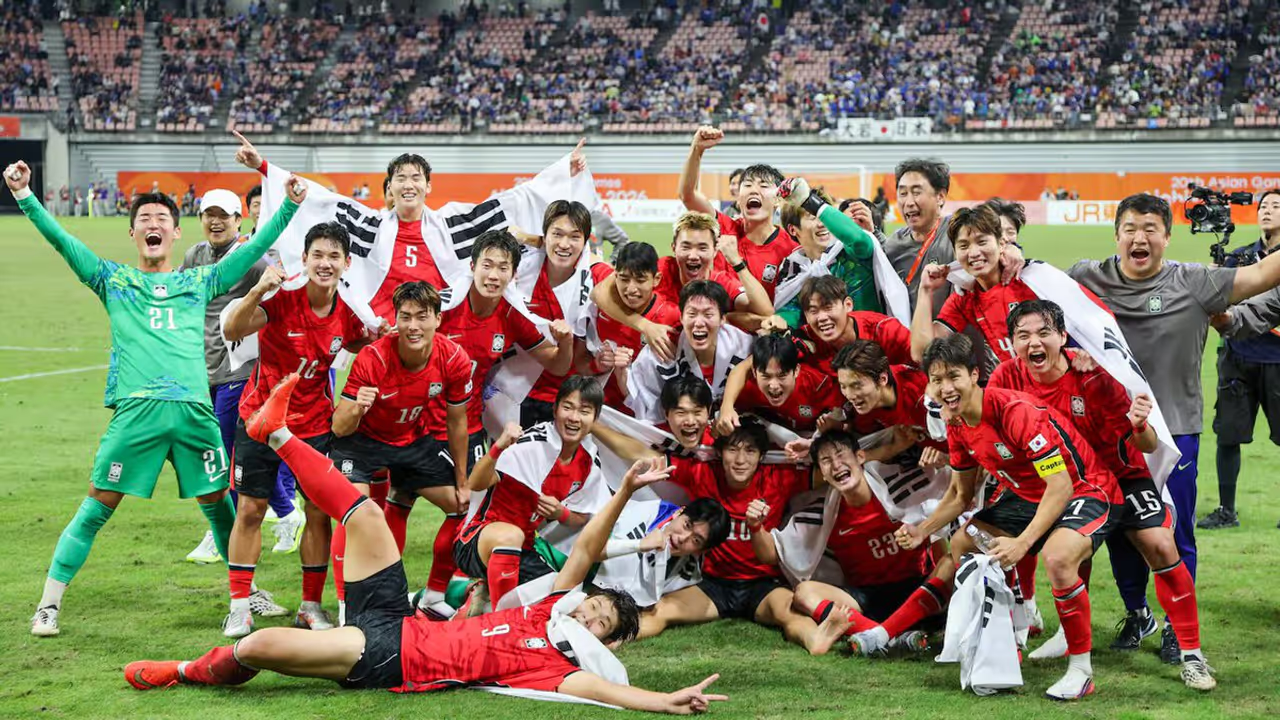
South Korean footballers faced public backlash after remarks about avoiding mandatory military service following their Asian Games 2026 gold medal win. Captain Lee Gi-hyuk apologised, while the controversy renewed calls to review the exemption system.
Three South Korean footballers have come under heavy fire after making controversial remarks about an exemption from mandatory military service after winning the gold medal at the Asian Games 2026 in Aichi-Nagoya.
Under Lee Gi-hyuk’s leadership, South Korea U-23 defeated hosts Japan to clinch their fourth successive Asian Games gold medal and overall seven golds, making them the most successful team in the history of the quadrennial multi-sport continental event, cementing their legacy as a powerhouse in Asian football.
However, South Korea’s historic victory was overshadowed by intense scrutiny after captain Lee Gi-hyuk and another teammate openly bragged about dodging mandatory military service on social media.
Related Articles

Also Read: Asian Games: Archer Ganesh Mani Ratnam gets warm welcome in Vijayawada
‘I’m Not Going to Military’
Following South Korea’s 1-0 win over Japan at the Asian Games 2026, captain Lee Gi-hyuk expressed his excitement over his and the entire team's possible exemption from mandatory military service, as victorious athletes secure a coveted pass into alternative supplementary service rather than completing a standard 18 to 21 months of active duty.
Lee Gi-hyuk was speaking to reporters when he was cheekily asked whether the gold medal was heavy, and his response was enough to make headlines across domestic sports media.
“I’m going to the military,” Gi-hyuk said while holding up his gold medal.
Lee Gi-hyuk’s teammate Park Seung-soo further ignited public fury when he posted a selfie on social media wearing a mock ‘military discharge cap,’ celebrating the exemption loophole that spares national team members from active duty.
Another South Korean footballer, Yang Min-hyeok, also stirred controversy, stating that the gold medal was a reward for exemption from military service rather than framing the victory as a tribute to national pride or athletic excellence.
The controversial statements from Lee Gi-hyuk and Yang Min-hyeok, and Park Seung-soo’s social media post sparked outrage across the nation, with many demanding stricter fairness and an immediate overhaul or complete abolition of the athletic exemption system.
Lee Gi-hyuk Issued an Apology Under Pressure
Lee Gi-hyuk’s ecstatic remarks about a possible exemption from mandatory military service sparked a nationwide outcry, prompting him to apologize for how thoughtless and immature they were, saying he was reflecting deeply on the intense public backlash.
“I should have thought about the weight my words carried as captain and should have spoken each phrase with that responsibility in mind.” Lee said in a social media post.
“I am sincerely sorry to our fans that I did not do that.
“I think I have disrespected and hurt our fans and those faithfully serving their military duties,” he added.
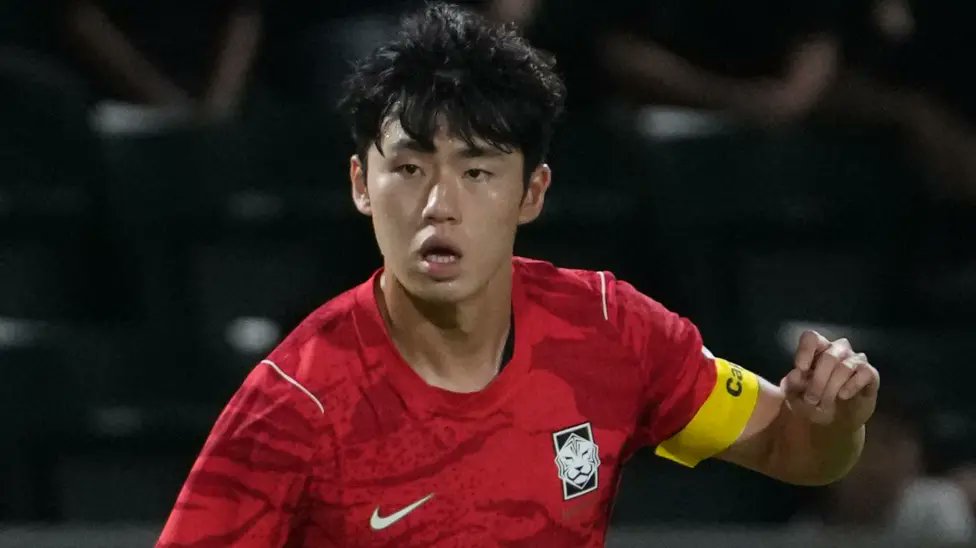
Lee Gi-hyuk’s statement and the public outcry following the Asian Games have intensified political discussions surrounding the future of athlete exemptions. South Korea’s decades-old military benefit for elite athletes has long been a lightning rod for debate.
Following the gold medal at the 2018 Asian Games in Jakarta, Heung-min Son and the entire South Korean squad received similar exemptions, but changing societal attitudes and a shrinking military pool have turned public tolerance into strict accountability.
Also Read: Asiad 2026: Prithika, Jyothi, Chikitha clinch women's compound gold
South Korea To Reconsider Military Exemptions
Following controversial comments and social media posts by players celebrating their Asian Games gold medal win around mandatory active duty, South Korea’s Ministry of National Defence is facing mounting pressure to reform or entirely abolish the decades-old military exemption system for elite athletes.
Speaking at the Press Conference, Minister of Culture, Sports and Tourism Choi Hwi-young stated that the administration will thoroughly re-examine the existing criteria to ensure that national honours align more closely with public standards of equity and fairness.
“It is true that the system has contributed to helping outstanding artists and athletes maintain and develop their abilities,” Choi said, as quoted by the Associated Press.
“However, the values attached to fairness and public perceptions of military service have changed. I agree that the system should be comprehensively reviewed once again,” she added.
Under the current rule, which has been in place since 1973, South Korean men are mandated to begin their 18 to 21 months of military training by the age of 28. However, Olympic and Asian Games gold medalists have been allowed to complete just three weeks of training.
Now, with public frustration reaching a boiling point over flippant remarks from young athletes, political momentum for structural reform has never been stronger.