
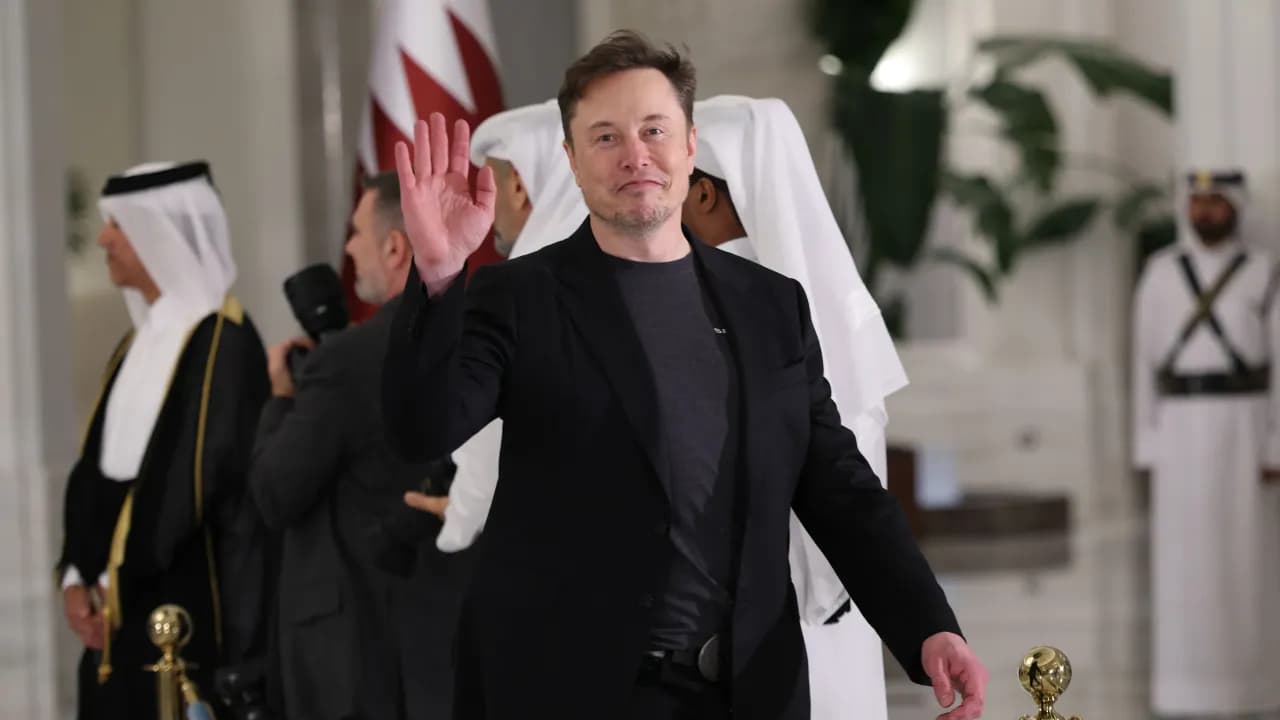
Bernstein forecasts $424 billion in 2028 revenue, below SpaceX’s own growth ambitions.
- The firm expects terrestrial computing capacity to reach 13 gigawatts in 2027 and 20 gigawatts in 2028.
- SpaceX expects fourth-quarter capex of $35 billion to $40 billion and reports compute payback periods under a year.
- Bernstein’s model assumes neither a Tesla merger nor a telecom-tower deal.
Shares of Space Exploration Technologies Corp. (SPCX) have gained nearly 10% from their IPO offer price, but Bernstein SocGen Group sees room for a much bigger rally — even without assuming a Tesla merger or SpaceX reaching its full revenue ambitions.
SPCX shares slipped about 0.4% on Monday, leaving them 9% above their $135 IPO offer price.
Bernstein Raises Stakes On SpaceX
The research firm raised its price target to $268 from $248, implying an 82% upside from current levels, and maintained an ‘Outperform’ rating. “We raise our SpaceX outlook primarily on terrestrial AI build plans. We believe the case for a multi-trillion dollar valuation rests on success of orbital data centers,” the firm said.
Bernstein said computing infrastructure on Earth adds materially to SpaceX’s revenue outlook, while its enterprise and government connectivity business also appears to be outperforming.
The firm now forecasts $424 billion in full-year 2028 revenue. That remains below SpaceX’s ambition to reach an annualized revenue pace of $500 billion to $1 trillion by the end of 2027, although Bernstein raised its estimate.
The company’s goal refers to its revenue pace exiting 2027, rather than total sales during that year. “And, as we have said, you do not need to go all the way to the company’s plan to make SpaceX attractive,” the firm said.
Bernstein also noted that SpaceX is planning its first orbital data-center launches in late 2027, with operations beginning in mid-2028. Flight 15 is expected within weeks, with SpaceX planning to catch both the booster and the ship. Bernstein said the heat shield’s performance on Flight 14 could set up the first Starship reuse on Flight 16. “Reusability is key to making orbital data centers successful,” the firm said.
Bigger Capacity Plans Leave Room For More SPCX Upside
Bernstein sees SpaceX’s terrestrial computing capacity reaching 13 gigawatts by the end of 2027 — five gigawatts above its previous forecast — before climbing to 20 gigawatts in 2028.
This would mark a sharp jump from the 1.7 gigawatts SpaceX reported at the end of September. On the recent earnings call, Musk said he was confident the company could add 10 gigawatts in 2027, on top of the 2.5 gigawatts to 3 gigawatts expected online by the end of this year.
Additionally, Bernstein said the company’s comments pointed to compute prices above the $30 to $50 per watt level seen in recent deals. The firm raised its pricing assumptions but left them below the company’s expectations, leaving room for further gains.
“If the company achieves its pricing expectations, there could be more upside, both for terrestrial and orbital,” Bernstein said.
SpaceX’s AI Spending Comes With A Payback Pitch
Bernstein estimates capex of about $35 billion per gigawatt as SpaceX expands capacity. The company’s earnings call underscored the scale of the spending. CFO Bret Johnsen said Q3 capex totaled $19.6 billion and forecast another $35 billion to $40 billion in the fourth quarter.
The company also pointed to strong returns on the new infrastructure. “At current pricing, new compute deployments are generating a payback of less than a year,” Johnsen said. SpaceX’s superintelligence segment generated $7.6 billion in third-quarter revenue, making it the company’s largest revenue segment.
Bernstein’s Bull Case Needs No Tesla Merger
Bernstein’s model includes neither a potential Tesla merger nor a reported telecom-tower deal. “Elon talked of a possible Tesla merger and SpaceX is reportedly discussing a telco tower deal,” the firm said. “We make no assumptions on either here.”
Separately, ARK Investment Management said that combining the companies could allow Tesla’s potential robotaxi cash generation to help fund SpaceX’s expansion. Its no-premium share-swap scenario projected a 3.8-fold increase in returns for Tesla shareholders and a 7.2-fold increase in incremental returns for SpaceX investors.
Musk, however, has cautioned that a transaction remains uncertain. Independent board committees, excluding him because of his conflict of interest, have not agreed on terms. “I think some people out there assume that a SpaceX and Tesla merger is a certainty, and I think that would be overstating it,” he said.
How Do Retail Traders Feel About SPCX?
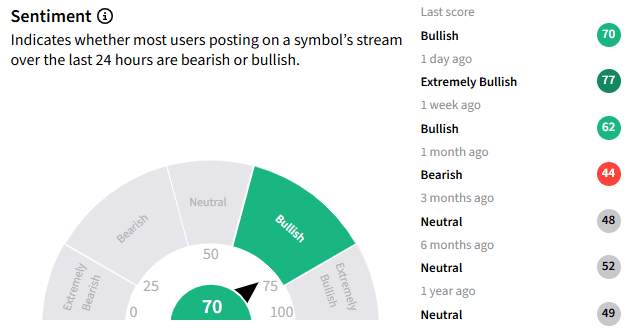
On Stocktwits, retail sentiment for SPCX slipped to ‘bullish’ from ‘extremely bullish’ levels a week ago amid a 206% surge in 24-hour message volumes.
One user said, “$SPCX this is gonna be 100% within a year and 10 times in five it’s kind of buying Tesla in 2019”
View this Stocktwits post
Another user said, “$SPCX Notice the lack of enthusiasm here for buying a failing car company with YOUR money. The good news is it will never happen. The bad news is Elon will keep this rumor going for years to prop up Tesler.”
View this Stocktwits post
For updates and corrections, email newsroom[at]stocktwits[dot]com.<
