
The Yardeni Research President said Washington could tighten chip export controls and close loopholes that let Chinese companies remotely access Nvidia-powered computing capacity.
- Yardeni does not expect political constraints to meaningfully increase because of the Huang controversy.
- He expects the AI investment boom to continue without Jensen Huang.
- The analyst expects Nvidia's financing strategy to remain intact under interim CEO Colette Kress
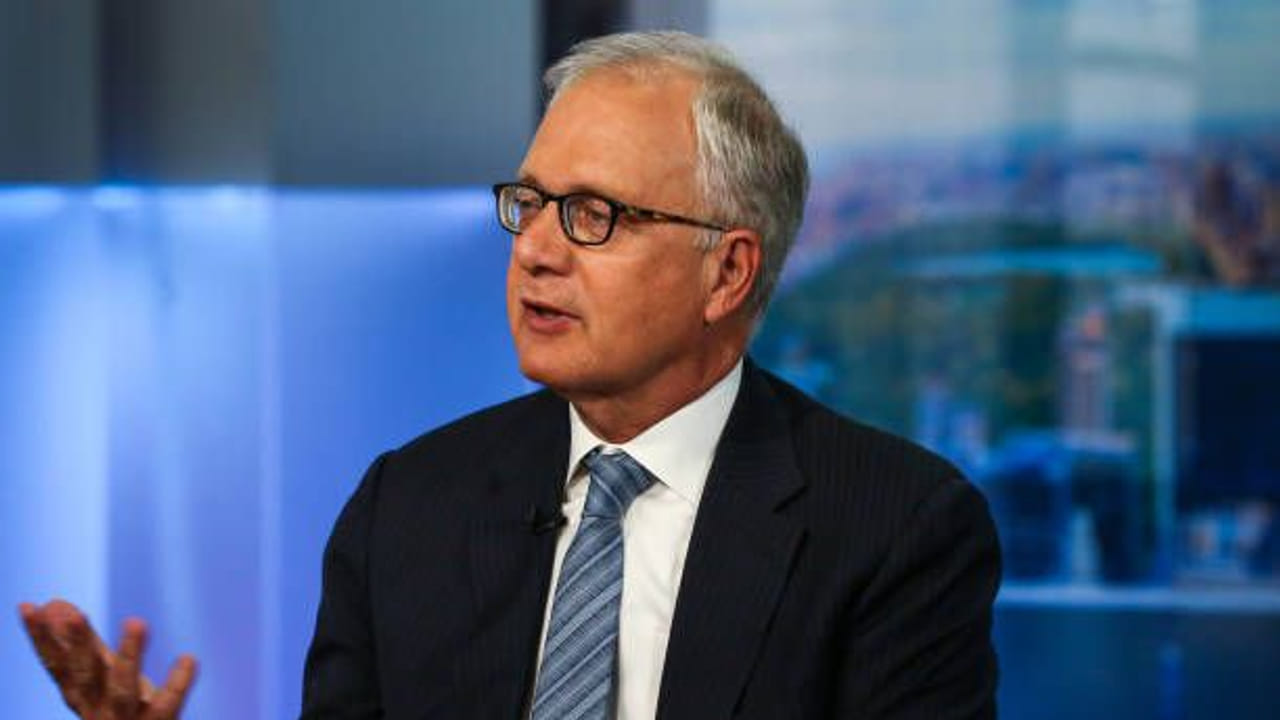
Yardeni Research President Ed Yardeni said Nvidia (NVDA) co-founder Jensen Huang's departure as CEO raises concerns about the chipmaker's role in financing artificial intelligence (AI) infrastructure, but he expects its financing strategy to remain intact under interim CEO Colette Kress.
In his QuickTakes note, Yardeni said Nvidia has been described as the “central bank of the AI trade” for helping finance AI computing capacity. He added that Huang's departure could slow or halt that financing, tightening financial conditions for an industry already facing questions about returns on its substantial capital spending.
The market veteran noted that Nvidia bought more than $42 billion in equity securities during the first half of its current fiscal year, compared with around $1.2 billion a year earlier.
However, “Our base case is that NVIDIA's financing strategy remains intact,” Yardeni wrote, adding, “We expect the investment boom to continue without Huang and therefore view any resulting selloff as another buying opportunity for the AI trade”.
Yardeni Flags Political Risks To AI Buildout
Huang's departure followed reports of multiple extramarital affairs, including a relationship with Alice Huang, a Chinese businesswoman suspected by U.S. intelligence officials of spying for Beijing.
Yardeni cited reports that Nvidia intervened in the Commerce Department's investigation into Megaspeed and that Commerce Secretary Howard Lutnick resisted efforts to blacklist the company.
“These allegations could invite tougher congressional oversight and undermine Trump's national security argument for building more data centers in the US, making the AI buildout harder to sell to the public,” Yardeni wrote.
Yardeni Sees China Risks As ‘Speed Bumps’
Beyond financing, Yardeni identified political and physical constraints that could affect the AI investment boom. He noted Huang had been an influential advocate for AI companies, including publicly defending CoreWeave's financial health during October's market turbulence.
“His departure could deprive the industry of its most influential advocate and cheerleader,” the note said.
Yardeni outlined the possibility of tighter U.S. chip export controls and restrictions on Chinese companies accessing Nvidia-powered computing capacity remotely. “China might retaliate by restricting exports of rare earth minerals, some of which are crucial for building data centers,” he wrote.
However, the market strategist does not expect political constraints to meaningfully increase or another trade conflict with China to emerge. Even if constraints intensify, Yardeni expects them to remain “bigger speed bumps rather than roadblocks” to the AI investment boom.
What Retail Thinks About NVDA Stock
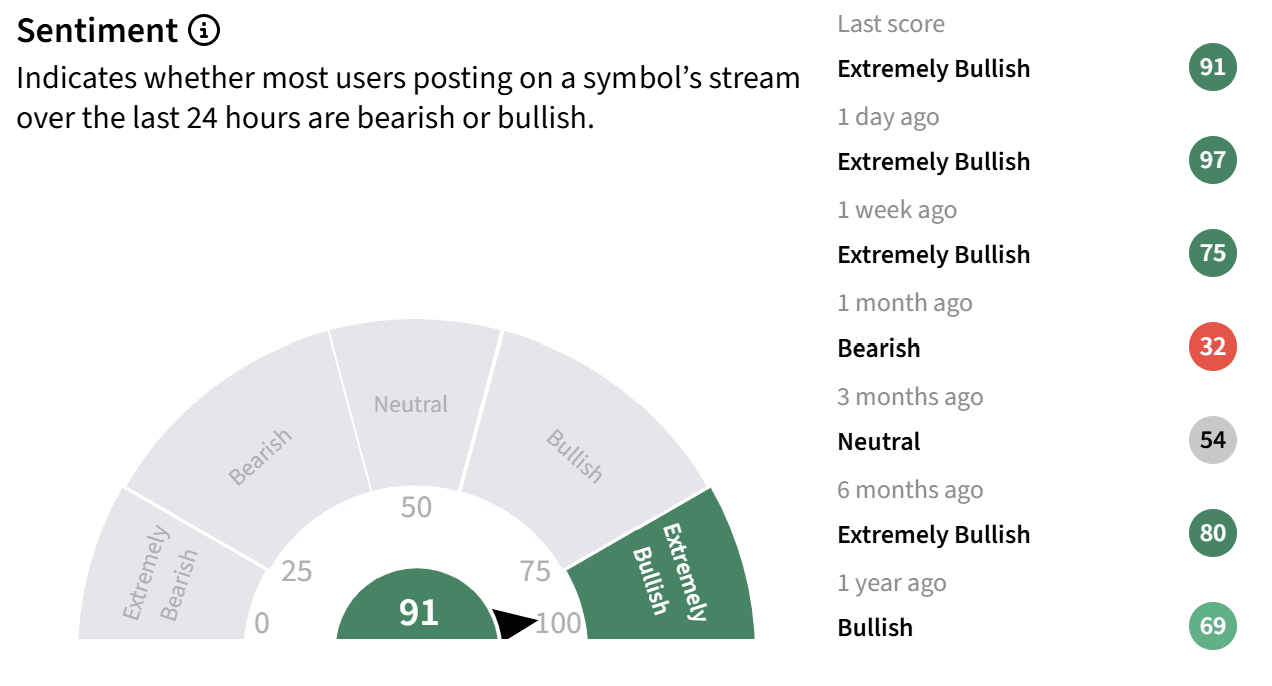
At the time of this writing, NVDA stock was up over 2% in Friday’s premarket. Despite the recent selloff, retail investors’ sentiment around Nvidia shares remained ‘extremely bullish’ on Stocktwits.
So far this year, Nvidia shares have fallen over 12%. In comparison, the VanEck Semiconductor ETF (SMH) and the State Street Technology Select Sector SPDR ETF (XLK), which hold the chip giant’s stock, have rallied over 34% and 20%, respectively, over the same period.
See Also: AI Roundup: Nvidia CEO’s Exit Dominates Headlines — CoreWeave, Cisco Results Boost AI Sentiment
For updates and corrections, email newsroom[at]stocktwits[dot]com.<








