
Bank of America has reportedly maintained its forecast for an October Federal Reserve interest rate increase, saying that September inflation bolsters the case.
- Hassett said the latest CPI report is either a sort of break from the downtrend or a blip.
- The NEC director identified spending at hotels and resorts, alongside airfares, as notable positive factors in the latest CPI report.
- Hassett said there are reasons to pay attention to AI debt but not for a panic right now.
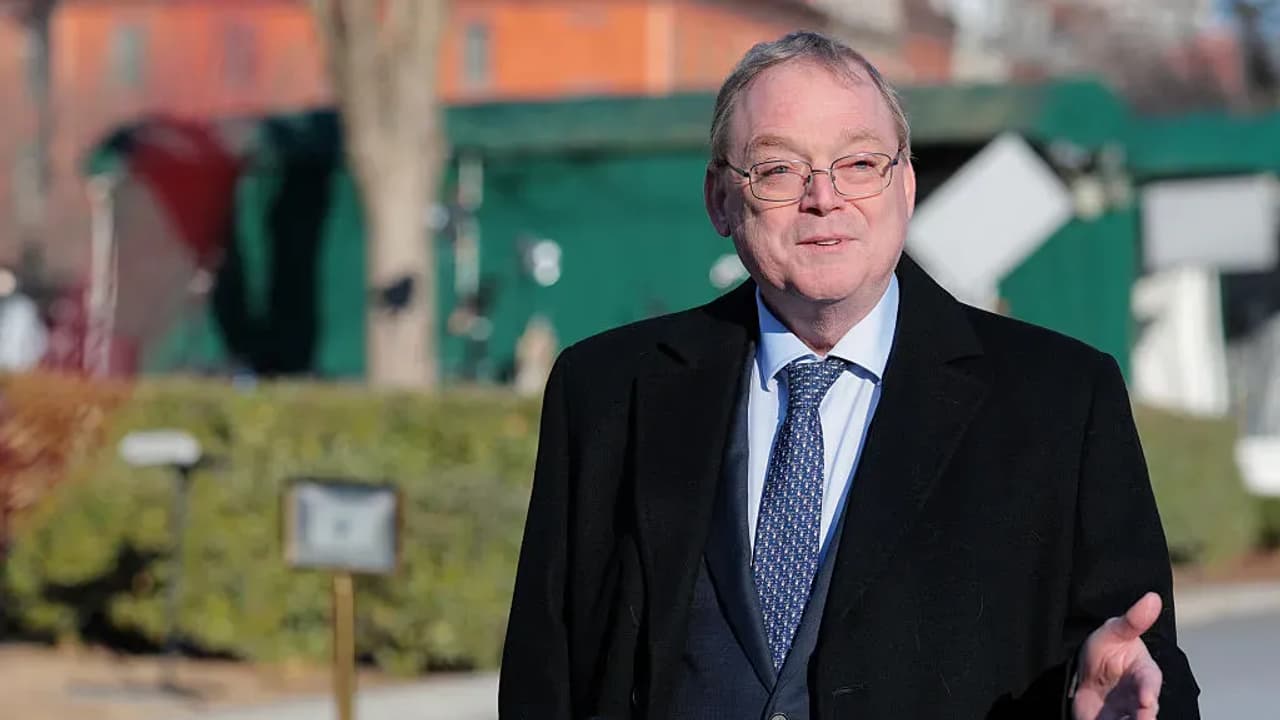
White House National Economic Council Director Kevin Hassett said Monday that rising wages were driving additional consumer demand, a development he believes the Federal Reserve needs to monitor, and maintained that the U.S. economy was “in a boom.”
Speaking on CNBC's Squawk Box, Hassett said, “People are really euphoric about how well the economy is doing, and they're spending more. And of course, that's the kind of thing the Fed needs to pay attention to.”
The NEC director attributed an estimated $2,000 increase in inflation-adjusted average wages since President Donald Trump took office to a third-party group, while acknowledging that wages had lagged inflation in recent months.
Official BLS data showed real average hourly earnings declined 0.5% in September and 0.7% year over year. The economy added 29,000 jobs in September, while unemployment stood at 4.2%.
“We’re very bullish still on the outlook for the economy,” said Hassett, adding that people are euphoric about how well the economy is doing and are spending more. And “that’s the kind of thing the Fed needs to pay attention to”.
US GDP Growth At Almost 4%, Says Hassett
Hassett identified spending at hotels and resorts, alongside airfares, as notable positive factors in the inflation report. According to him, heavy consumer spending on travel is consistent with the administration’s view that gross domestic product (GDP) growth is almost 4%.
His comments came after last week’s Consumer Price Index (CPI) report showed annual inflation accelerating in September. The Bureau of Labor Statistics (BLS) data showed that annual inflation rose to 3.7% from 3.4% in August, while core inflation accelerated to 2.6% from 2.4%.
“This is either a sort of break from the downtrend or a blip,” said Hassett, adding that the previous three months had suggested inflation was under control but that it now appeared to need more work.
Hassett On Economic Outlook, AI Debt
Asked whether higher oil prices could reverse the positive trends he had described, he said, “the future is very bright, especially if you consider that we’re not only talking about prices, but talking about wages.”
According to Hassett, when there’s real wage growth due to a supply shock, there’s a secondary increase in demand, referring to what he described as a positive supply shock that helped slow inflation in the first half of the year.
Talking about how closely the White House is watching CoreWeave, credit default swaps, and AI debt, Hassett said it is something they are studying closely. He told CNBC, “There are reasons to pay attention to the matter, but not reasons certainly for panic right now. But it is something that we’re monitoring closely”.
BofA Still Expects October Rate Hike
Meanwhile, Bank of America maintained its forecast for an October Federal Reserve interest rate increase, saying “September inflation bolsters the case for an October hike,” according to Investing.com on Monday.
The bank said core personal consumption expenditures (PCE) inflation “could plausibly end the year at 3.4% year over year,” and noted that markets were pricing a 20% probability of an October hike.
The Federal Reserve’s next policy meeting is scheduled for October 27-28.
See Also: CoreWeave ‘Not Circling The Drain,’ Says Analyst — But Warns Of ‘Staggering’ Financial Obligations
For updates and corrections, email newsroom[at]stocktwits[dot]com<
