

null
The rapid evolution of artificial intelligence has sparked widespread concerns about job displacement, especially for knowledge workers. AI is already enhancing productivity and efficiency, offering insights at an unprecedented scale. Those who learn how to leverage AI effectively—by asking the right questions, refining responses, and applying expertise—will gain a significant competitive advantage. AI has the potential to be an incredible co-pilot, but it lacks the essential human elements of judgment, trust, and experience-driven collaboration.
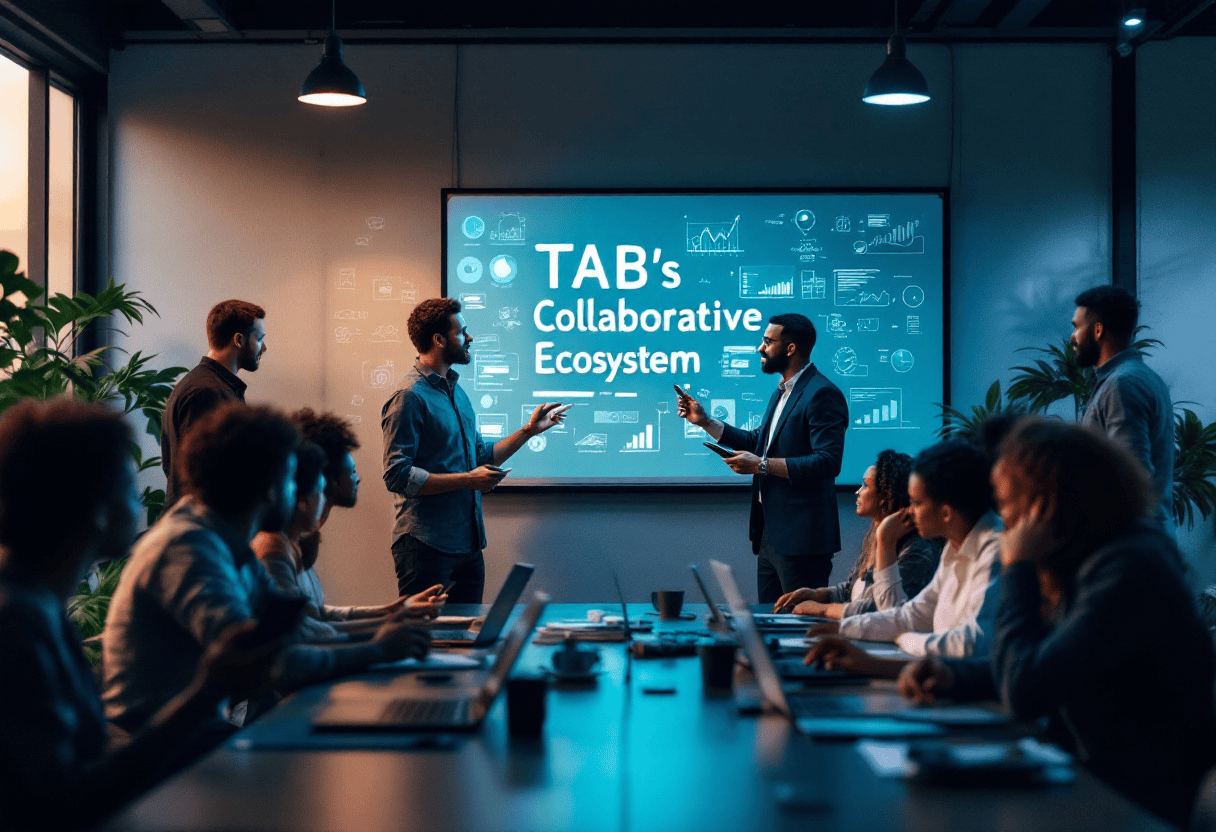
At The Alternative Board (TAB), we provide business owners with peer advisory boards, where small groups of six to eight business leaders meet regularly to collaborate, share insights, and support each other in decision-making. We see firsthand the profound impact of peer-driven wisdom. The question we must ask is: Can AI replace the value of peer advice and support?
On the surface, it might seem possible. If a peer board offers the collective experience of eight business owners, wouldn’t AI—trained on vast amounts of data from businesses worldwide—offer an even broader knowledge base? The answer is clear: AI will never replicate the depth, nuance, and emotional intelligence of peer collaboration.
Here’s why:
1. The Multiplier Effect of Human Collaboration
A peer board is not a one-way transaction where a question is posed and a static answer is given. It’s an evolving conversation where ideas build upon each other. A member might say, “To add to what Stacey said, I would tweak that approach slightly.”< Another might counter, “I’ve tried that before, and here’s what I learned from failure.<” AI can process information, but it cannot replicate the organic, real-time collaboration that leads to a refined and practical course of action.
2. Advice Tailored to the Individual, Not Just the Business
AI can analyze data patterns and offer generalized recommendations, but a peer advisory board provides something more personal: advice that is deeply tailored to the unique needs, leadership style, and personal values of each member. Peer board members build relationships over years, understanding each other’s businesses, challenges, and ambitions. The guidance they provide is not generic—it is personalized and rooted in shared experiences.
3. The Power of Human Empathy and Emotional Support
Running a business can be isolating. Business owners face high-stakes decisions, financial pressures, and the constant uncertainty of market shifts. AI can provide analytics, but it cannot offer empathy, encouragement, or the deep human connection that comes from a community of peers who genuinely care. When one member succeeds, the whole group celebrates. When one struggles, they all step up. AI will never replace the emotional safety net that a peer board provides.
4. The Psychological and Emotional Benefits of Peer Groups
Peer boards operate at the highest levels of Maslow’s hierarchy of needs. Members experience belonging by being part of a trusted group, esteem through the respect and recognition they receive, and self-actualization as they grow personally and professionally. AI may one day provide strategic recommendations, but it will never foster the sense of shared purpose, confidence, and fulfillment that peer groups create.

The Future: AI as a Tool, Not a Replacement
There may come a day when AI has a virtual “seat” at a peer advisory board, providing insights and data to help inform discussions. But AI will never replace the value of business owners sitting together, challenging each other, and growing as leaders. Decision-making is not just about logic—it’s about wisdom, experience, and trust. And that’s something only humans can provide.
Peer advisory groups have thrived for decades because they offer something technology never will: real human connection. While AI will continue to shape the business landscape, the need for peer support, shared experiences, and genuine relationships will remain timeless.
This post was authored by an external contributor and does not represent the opinions of “Stocktwits” and has not been edited for content. The information contained above is provided for informational and educational purposes only, and nothing contained herein should be construed as investment advice. “Stocktwits” does not make any recommendation to buy or sell any security or any representation about the financial condition of any company.<
