
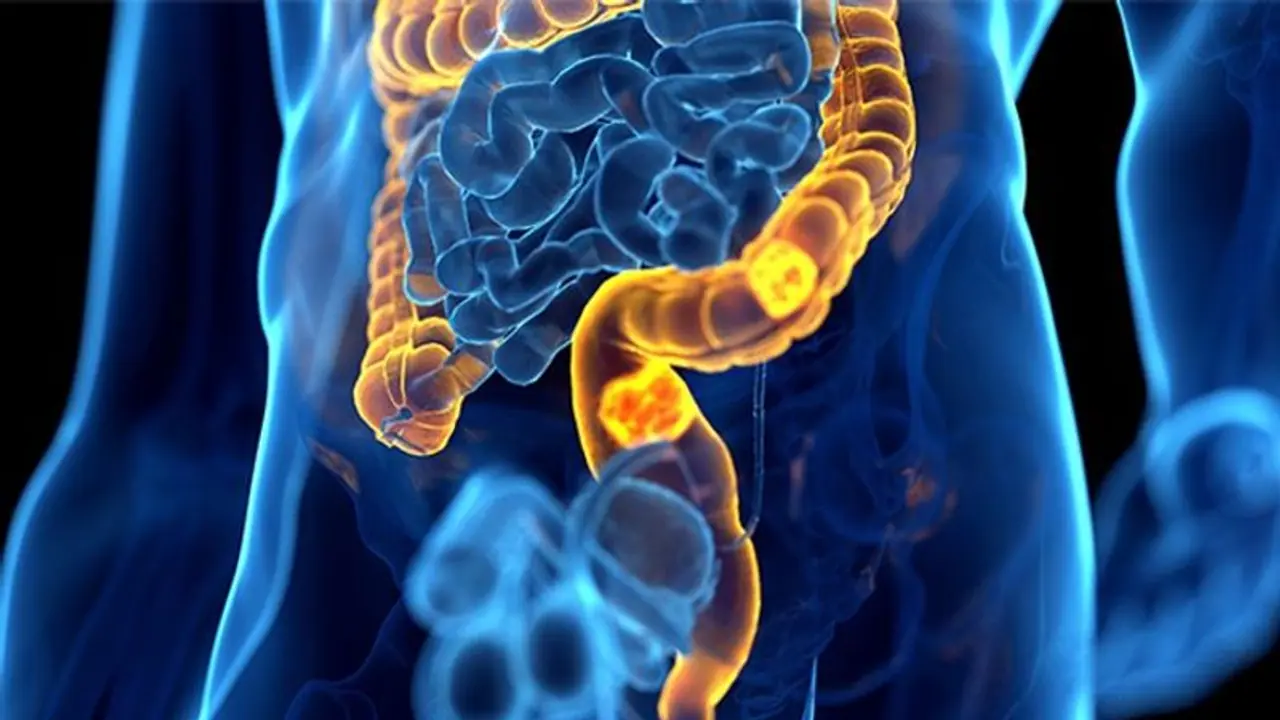
We spoke to Dr RV Raghunandan, Senior Consultant, Radiation Oncologist, HCG MNR Cancer Centre, Ongole, who explained about Colon cancer and explained that you should get yourself screened.
Colorectal cancer, commonly known as colon cancer, is the world's third most common form of cancer. This disease develops in the large intestine and tends to spread over time towards the rectum. Typically, colon cancer is most prevalent amongst people above the age of 60 and begins as small-sized non-cancerous growth or clump of cells known as polyps. Formed inside the colon, these polyps grow over time if left untreated, eventually leading to colon cancer.
The most common sign of colon cancer is the appearance of blood in the stool. Apart from this, rapid weight loss, tiredness, and frequent change in bowel movements are the other signs of cancer. Screening your colon and checking if any of these signs persist is preferable. However, it has been observed that none of the symptoms are typically visible during the initial stages of the disease, making it quite challenging to detect it, even during screening.
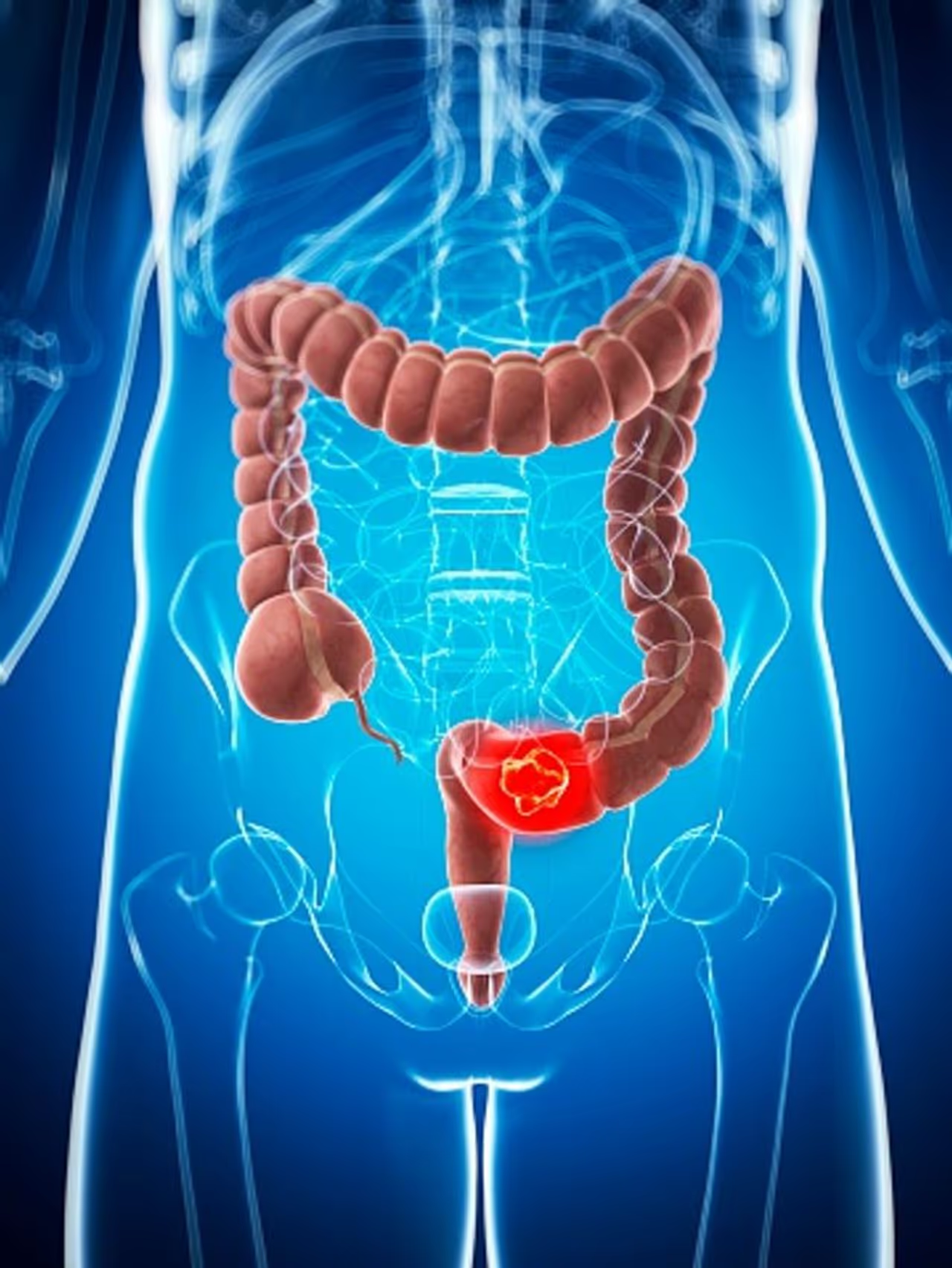
Though difficult, it is always preferable to get yourself tested and it is important to know that individual medical history, including the family’s history, plays an important role and should be disclosed when checked.
Also Read: Delicious and Nutritious: Unveiling the health benefits of Cantaloupe
For individuals with no known risk factors, doctors suggest that the colon cancer screening can be done around the age of 40, for both men and women. It is advisable to get screened at the earliest if the individual has any underlying family medical history of colon cancer, this must be done at the earliest to avoid complications and to detect the cancer at the earliest.

To detect colon cancer, there are various methods to get tested based on the staging of the cancer. The following screening procedures are the most used for colon cancer detection.
- Fecal Immunochemical Test (FIT): FIT is a non-invasive test that looks for undetectable blood in the stool, which may be an early indicator to colon cancer. It entails taking a feces sample at home and submitting it to a lab for examination.
- Colonoscopy: Colonoscopy is the first and best method used for colon cancer screening. In this method a flexible tube with camera is used to check the entire colon and rectum. If any polyps or abnormal growth is detected during the process, it can be biopsied or removed.
- Flexible Sigmoidoscopy: Flexible Sigmoidoscopy is like colonoscopy but covers only a short part of the colon. It basically examines the lower portion of colon and rectum.
- Other tests such as virtual colonoscopy (CT colonography) and stool DNA tests are available. These are available based on the location and accessibility of the individual.
While screening is essential, it can be avoided if the colon is healthy and functioning. Maintaining a healthy colon is crucial for overall health and life. The colon, or large intestine, plays a crucial role in the digestive system as it absorbs water, electrolytes, and essential nutrients, while at the same time eliminating waste and toxins from the body. A healthy colon ensures proper digestion and regular bowel movements, without constipation, diarrhea, and bloating issues. Additionally, an adequate functioning colon also helps maintain a balanced gut microbiome, which is vital for immune function, nutrient absorption, and even mental health.
Also Read: Cooling to Moisturizing: 5 surprising benefits of Aloe Vera for your Eyes
By promoting proper digestion and absorption, a well-functioning colon supports the body's overall nutritional status and increases energy levels and vitality. Regular colon health check-ups, a fiber-rich diet, proper hydration, regular exercise, and minimizing processed foods and red meat intake can significantly contribute to maintaining a healthy colon.
To conclude, early detection of colon cancer will result in improved treatment outcomes and increased chances of survival. Regular screening tests can help identify precancerous polyps or early-stage cancer cells in the colon, allowing for timely intervention and appropriate medical interventions. Therefore, it is crucial for individuals to be proactive about their colon health, undergo recommended screening tests, and maintain a healthy lifestyle both physically and mentally.
