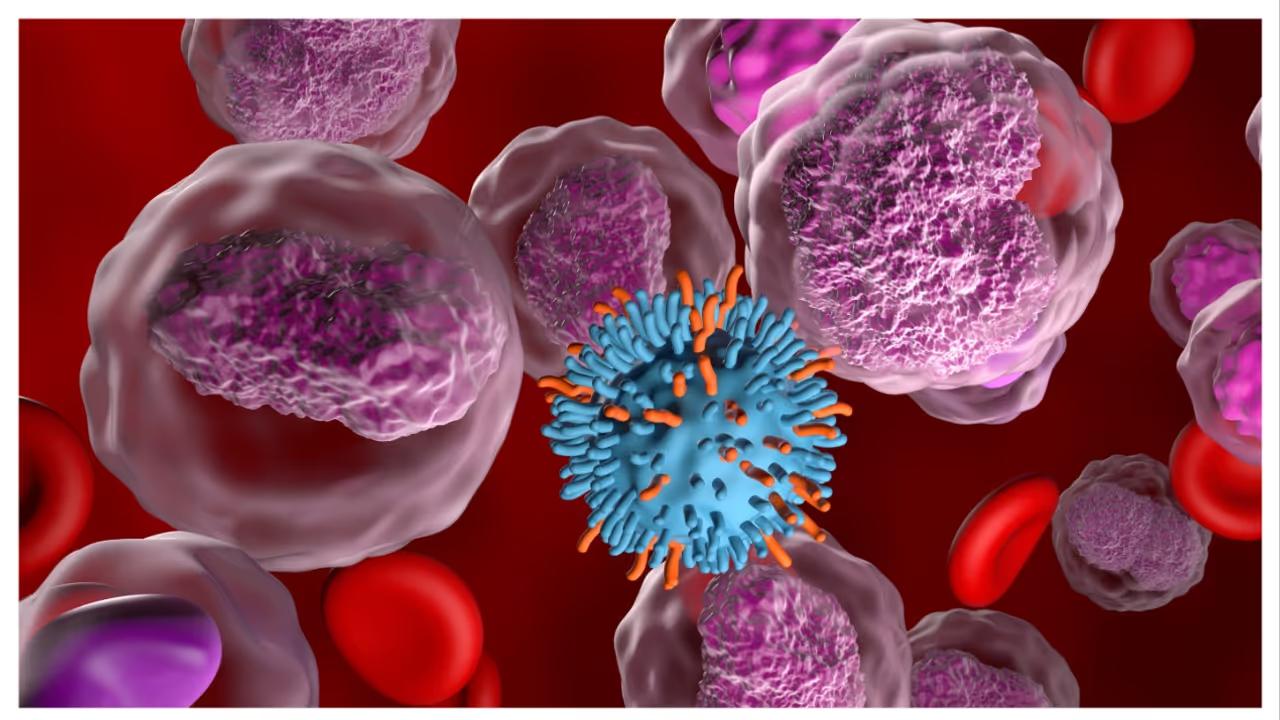
Although some individuals are predisposed to cancer due to genetics, it is believed that up to 40% of cancer occurrences can be avoided with healthier lifestyle choices.
For quite some time now, we have thought of cancer as either a matter of fate or genetic luck, but emerging evidence suggests a much different scenario — one where lifestyle and environment play a larger role than previously believed. Genetic influences make some people more susceptible to cancer, but it is estimated that as many as 40% of cancer cases are preventable by making healthier choices. This makes lifestyle and environmental factors, such as daily habits, diet, some of the most effective ways we can reduce our cancer risk.
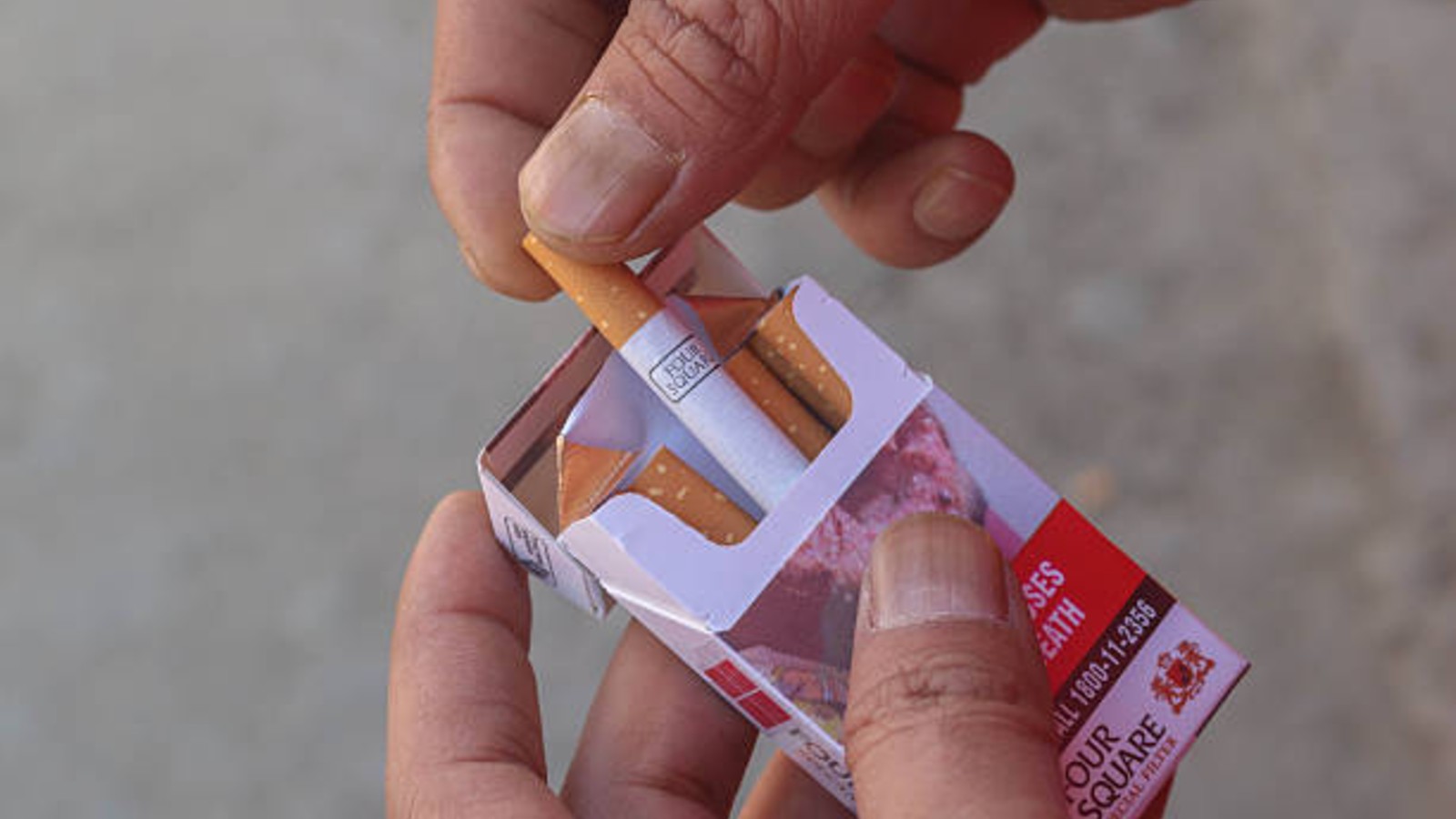
One of the leading lifestyle-induced causes, and an “epidemic that is getting worse,” is tobacco use, which leads to close to one in five cancer deaths worldwide. Never mind the fact that ex-smokers reduce their risk of lung, throat, or even bladder cancer by half at any age. Similarly, heavy drinking is associated with cancer of the liver, breast, and digestive system. The key to prevention is moderation – or even better, abstinence.
Related Articles

Diet and exercise are also extremely significant.
A diet high in fruits, vegetables, and whole grains, and low in processed food and red meat, can help keep a healthy body weight — one of the most potent defences against cancer. Obesity is known to raise the risk of at least 13 cancers altogether, including colorectal, pancreatic, and endometrial cancer. Even moderate exercise — such as walking briskly for 30 minutes a day, five days per week (150 minutes in total) — is associated with lower inflammation and enhanced immunity, reducing risk even more.
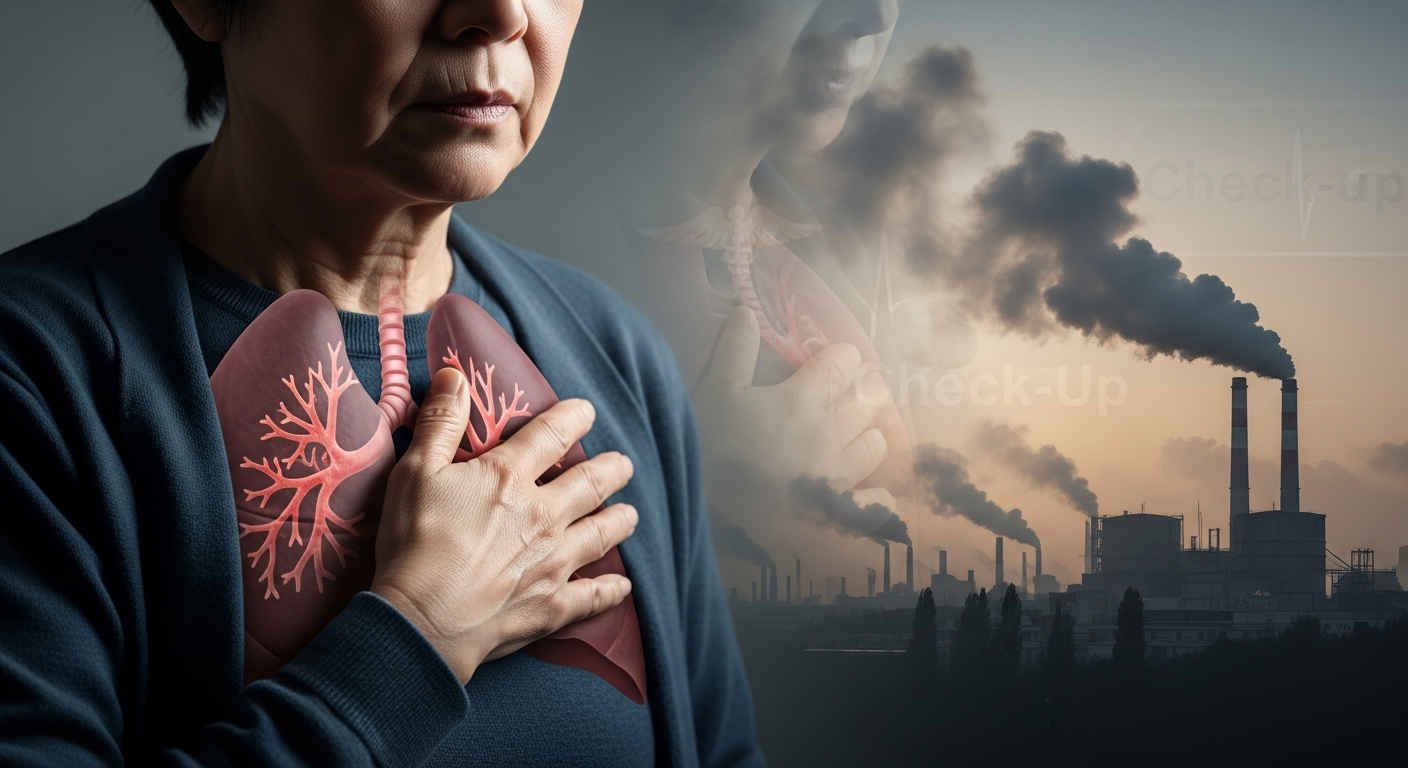
Environmental factors, including long-term exposure to sunlight and air pollution or contact with cancer-causing chemicals, can also increase the risk of cancer. The best way to reduce your risk of skin cancer is to use sunscreen, avoid tanning beds, and cover up with clothing. Similarly, reducing exposure to pollutants and safe workplace practices can have a tremendous impact.
Early detection and consciousness are still very crucial, but prevention starts from a conscious lifestyle. It's a fast-food and technology-filled world we live in today, stress has never been more of an issue, and good foods that help fight that or are often the day-to-day staple are difficult to come by.
In the end, learning about cancer risk isn’t simply a matter of medical tests or genetic reports — it’s how we live our lives every day. Much of what we eat, how much exercise we get, and even the pollution we’re exposed to can change our risk, which means what we choose to do or not do could protect us against one of humanity’s most dreaded diseases. Much of cancer’s prevention power is in our hands.
-Dr Sachin Sekhar Biswal, Consultant Medical Oncologist, Manipal Hospital, Bhubaneswar