
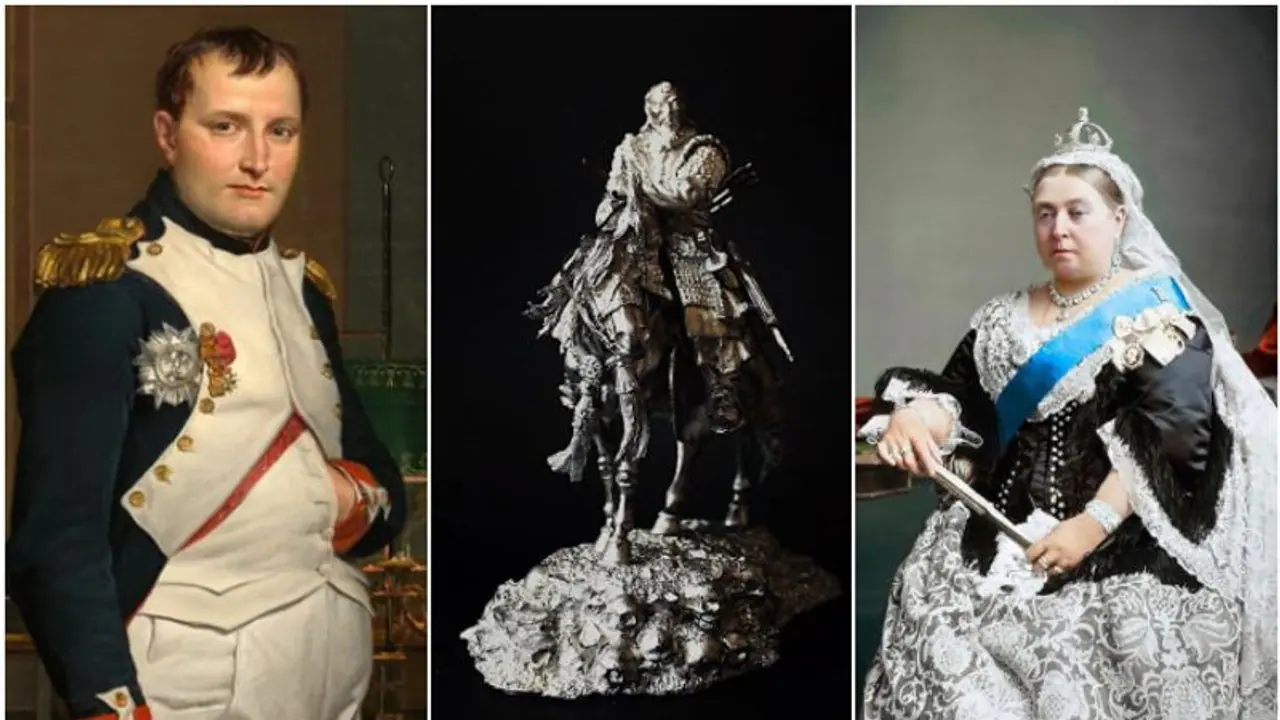
Discover the remarkable stories of the seven most powerful monarchs in history who shaped empires, transformed nations, and left a lasting legacy. From Genghis Khan to Queen Victoria, explore their conquests and influence on the world.
Throughout history, there have been numerous powerful monarchs who have left an indelible mark on their kingdoms and the world. These powerful monarchs shaped the world through their conquests, political reforms, cultural influence, and strategic leadership. Their legacies endure through their empires, institutions, and the impact they had on the course of history. Their stories continue to inspire and fascinate us as we reflect on the immense power and influence they wielded.
Here are the seven most powerful monarchs in history:
1. Genghis Khan (1162-1227)
Genghis Khan, the founder of the Mongol Empire, is considered one of history's most powerful monarchs. His military prowess and leadership skills allowed him to conquer vast territories, creating the largest contiguous empire ever known. Genghis Khan's empire extended from Asia to Europe, and his legacy still resonates today.
2. Alexander the Great (356-323 BCE)
Alexander III of Macedon, commonly known as Alexander the Great, was an exceptional military strategist and conqueror. By the age of 30, he had created one of the largest empires in ancient history, stretching from Greece to Egypt and India. His military campaigns revolutionized warfare and spread Hellenistic culture throughout his conquests.
3. Emperor Napoleon Bonaparte (1769-1821)
Napoleon Bonaparte, the French Emperor, was a military genius and one of the most influential figures in European history. He established a vast empire, known as the French Empire, and his military strategies revolutionized warfare tactics. His impact on European politics, laws, and institutions still resonates today.
4. Queen Victoria (1819-1901)
Queen Victoria's reign as the Queen of the United Kingdom and Ireland is one of the longest in British history. During her time, the British Empire reached its peak, becoming the largest empire in history. Her reign oversaw significant industrial, cultural, and political changes, and her influence on the British monarchy and the Empire's expansion is undeniable.
5. Queen Elizabeth I (1533-1603)
Queen Elizabeth I of England is renowned for her strong leadership during the Elizabethan era. Her reign was marked by the expansion of English influence, maritime exploration, and the defeat of the Spanish Armada. Queen Elizabeth I's political astuteness, cultural patronage, and her role in solidifying England as a Protestant nation left an enduring impact.
6. Emperor Qin Shi Huang (259-210 BCE)
Qin Shi Huang, the first emperor of unified China, played a crucial role in the formation of modern China. He standardized writing, currency, measurements, and established the Great Wall of China. His rule and the subsequent Qin Dynasty laid the foundation for the imperial system that lasted for centuries in China.
7. Emperor Ashoka (304-232 BCE)
Emperor Ashoka, also known as Ashoka the Great, ruled the Maurya Empire in ancient India. He is remembered for his conversion to Buddhism and his promotion of peace and religious tolerance. Ashoka's rock edicts and policies focused on social welfare, moral conduct, and the spread of Buddhism, making him one of the most influential monarchs in Indian history.
