Indoor gardening can be incredibly fulfilling, but it requires a bit of vigilance to keep pests under control. By combining natural methods with consistent care, you can protect your indoor oasis without harsh chemicals.
Indoor gardening is a peaceful and rewarding hobby, offering fresh herbs, vibrant houseplants, and even vegetables right within your home. But just because your plants are indoors doesn’t mean they’re safe from pests. Common invaders like aphids, spider mites, fungus gnats, and mealybugs can still wreak havoc. The good news? With the right approach, you can tackle indoor garden pests naturally and effectively.
7 ways to deal with pests at indoor garden
1. Inspect Regularly
Prevention starts with awareness. Check your plants at least once a week for signs of pests—such as discolored leaves, tiny webs, or sticky residue. Pay close attention to the undersides of leaves and around the base of the plant.
Related Articles

Tip: Isolate new plants for 1–2 weeks before adding them to your indoor collection to prevent introducing pests.
2. Use Neem Oil Spray
Neem oil is a natural insecticide that’s safe for most indoor plants and effective against a variety of pests, including aphids, mealybugs, and spider mites. It disrupts the pest’s life cycle without harming your plants.
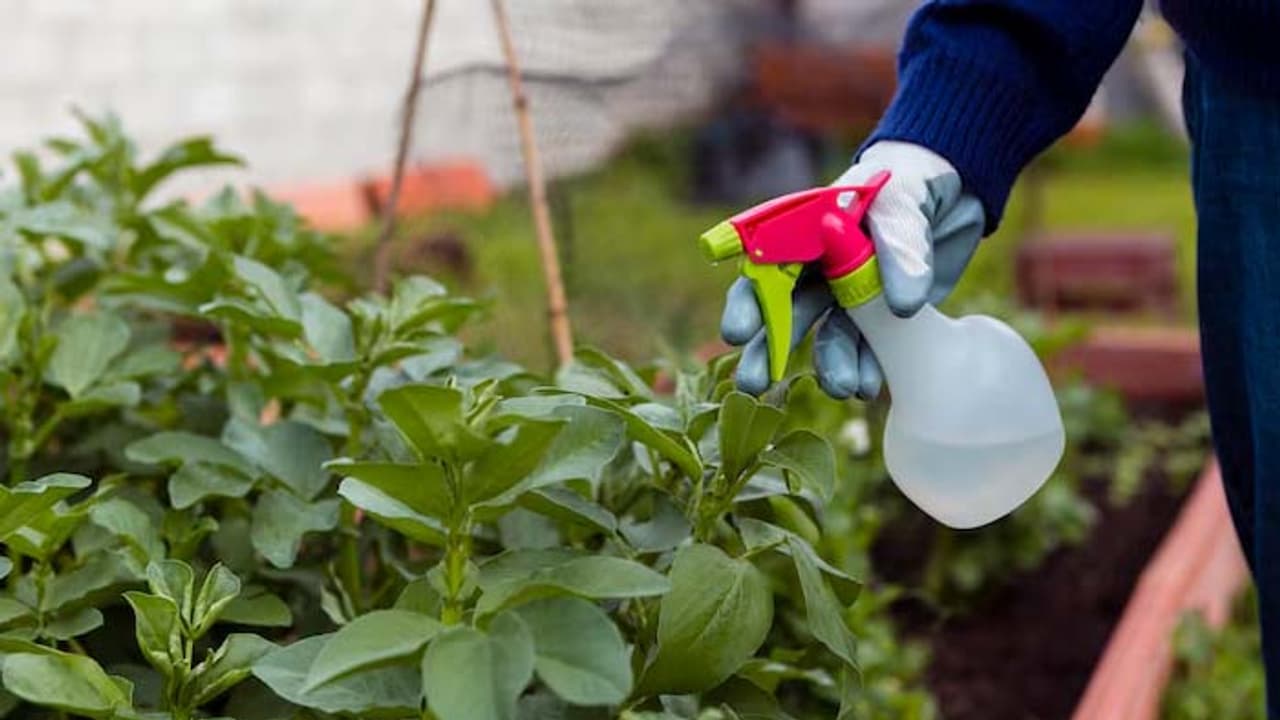
How to use: Mix 1–2 teaspoons of neem oil with a few drops of mild soap in a spray bottle of water. Spray on affected areas once a week until pests disappear.
3. Introduce Beneficial Insects
Yes, even indoors! Ladybugs and predatory mites can be used in larger indoor spaces like greenhouses or enclosed patios. They naturally hunt down and eliminate harmful pests.
Note: This method works best in controlled indoor environments with proper ventilation and light.
4. Clean Plant Leaves
Dusty leaves can invite pests and interfere with photosynthesis. Regularly wipe the leaves with a damp cloth or give your plant a gentle shower to keep them clean and pest-free.
Extra benefit: It improves the plant’s ability to breathe and absorb light, promoting better growth.
5. Use Sticky Traps
Fungus gnats and whiteflies are attracted to bright yellow sticky traps. Placing these traps in your indoor garden helps monitor and reduce pest populations.
Tip: Replace traps every few weeks or once they’re covered with insects.
6. Keep the Soil Healthy
Overwatering creates soggy soil that attracts pests like fungus gnats. Make sure pots have proper drainage and avoid letting the soil stay overly wet. You can also top the soil with sand or cinnamon, which naturally repels some insects.
Pro tip: Let the top inch of soil dry out between waterings to discourage larvae from thriving.
7. Prune and Remove Infected Areas
If pests have overtaken a particular leaf or stem, prune it off immediately. This not only stops the spread but helps the plant focus its energy on healthy growth.
Dispose properly: Always discard infected plant material outside your home to avoid re-infestation.