
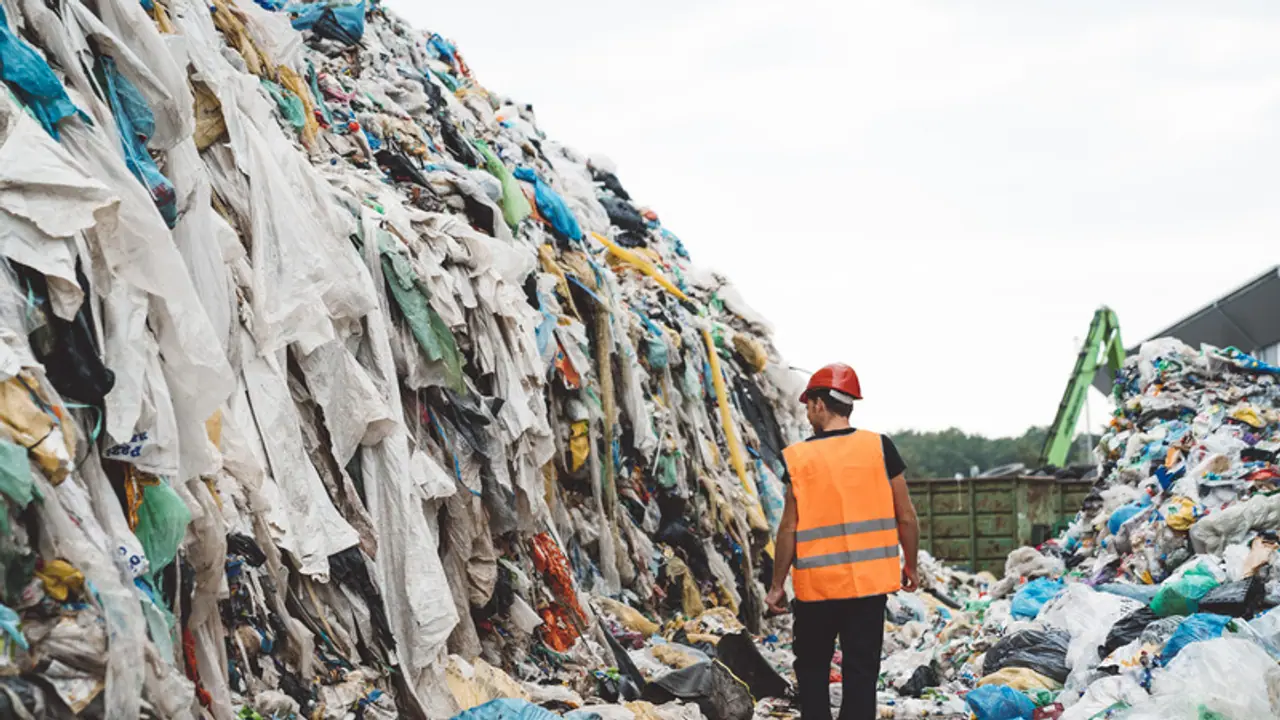
In a world obsessed with trends and fast fashion, we often don’t think about what happens to our clothes once we discard them. With 92 million tons of textile waste generated globally each year, the fashion industry is one of the biggest contributors to environmental pollution. But where do these discarded clothes go? And what can we do to reduce our fashion footprint?
Fashion sustainability focuses on ethical production, eco-friendly materials, waste reduction, and conscious consumer choices to minimize environmental impact.
1. The landfill problem: Where most clothes end up
One of the biggest misconceptions is that donating clothes means they will always be reused. However, a huge portion of discarded fashion ends up in landfills.
- Synthetic fabrics like polyester take hundreds of years to decompose, releasing microplastics into the environment.
- Natural fibers like cotton and wool do break down, but they release methane—a harmful greenhouse gas that contributes to climate change.
- Many discarded clothes contain toxic dyes and chemicals, which seep into the soil and water supply, harming ecosystems.
According to research, more than 85% of all textiles thrown away in the U.S. end up in landfills or are incinerated, releasing even more harmful pollutants into the air.
2. The myth of clothing donations
Many people believe that donating unwanted clothes to thrift stores or charities is a sustainable solution. However, the reality is that thrift stores can only sell a small percentage of donated items.
- Unsold clothes are often shipped to developing countries in large bales, overwhelming local economies and harming small businesses.
- Some garments that cannot be sold or reused are sent to landfills or burned, creating pollution.
- Many fast fashion items are of such low quality that they cannot be resold or repurposed.
While donating is better than simply throwing clothes away, it’s important to be mindful of what and where you donate.
3. The hidden impact of textile recycling
Recycling clothes sounds like the perfect solution, but it’s not as simple as it seems. Less than 1% of textile waste is actually recycled into new clothing.
- Many fabrics are a blend of materials (e.g., polyester and cotton ) that are difficult to separate and recycle.
- The recycling process is expensive and requires advanced technology that many countries lack.
- Recycled fibers often lose quality, limiting their ability to be reused for clothing production.
However, companies are making strides in innovative textile recycling. For example, brands like Patagonia and H&M have introduced clothing take-back programs, where old garments are turned into new fabrics or repurposed into insulation and industrial materials.
4. The dark side of fast fashion: overproduction & overconsumption
The fast fashion industry encourages a throwaway culture, where consumers buy cheap, trendy clothes that are discarded after just a few wears.
- Brands produce massive amounts of inventory, knowing that a significant portion will not be sold.
- Some companies have been caught burning unsold clothes to maintain exclusivity and prevent discounting.
- Fashion trends change rapidly, leading consumers to constantly buy and discard clothing.
The result? Billions of garments are wasted every year, clogging landfills and polluting the planet.
5. How you can reduce fashion waste
While the fashion waste crisis is massive, individual choices can make a difference. Here’s how you can help:
- Buy Less, choose better – Invest in high-quality, timeless pieces instead of cheap, fast fashion.
- Embrace Second-Hand Fashion – Shop from thrift stores, vintage boutiques, and resale platforms.
- Repair and upcycle – Instead of throwing away damaged clothes, try repairing, altering, or repurposing them.
- Recycle responsibly – Donate only wearable clothes and support brands with take-back programs.
- Support sustainable brands – Choose brands that focus on ethical production, eco-friendly fabrics, and fair wages.
- Educate yourself and others – Spread awareness about fashion waste and inspire others to adopt more sustainable habits.
India is emerging as a leader in sustainable fashion, with a rich history of handloom textiles, organic fabrics, and eco-friendly dyeing techniques. Brands and designers are increasingly embracing khadi, organic cotton, and upcycled materials to reduce fashion waste. Initiatives like circular fashion, ethical production, and zero-waste design are gaining traction, while traditional crafts such as block printing and natural dyeing promote sustainability. With growing consumer awareness, India’s fashion industry is moving towards a greener, more responsible future.
The fashion industry is at a crossroads—either continue contributing to environmental destruction or shift towards a more sustainable future. As consumers, our choices matter. Every purchase we make sends a message about the kind of world we want to live in.
By embracing mindful fashion choices, we can reduce waste, protect the planet, and ensure that fashion remains a source of beauty without harming the environment.
