
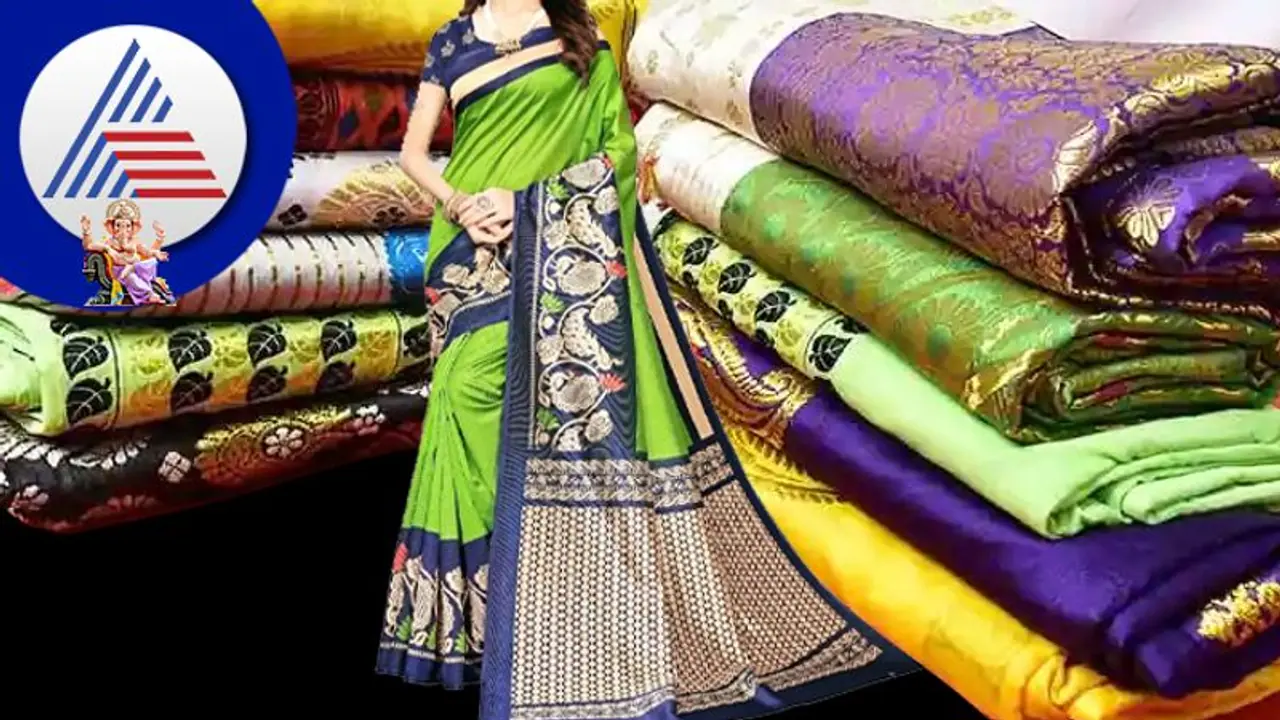
India is known for its rich and diverse heritage of traditional sarees. Here is a list of traditional Indian sarees from different regions across the country
India has diverse cultures and traditions, each contributing to a rich tapestry of traditional sarees. These exquisite garments reflect the craftsmanship and creativity of their respective regions and hold deep cultural significance. From the opulent Banarasi silk sarees of Uttar Pradesh to the vibrant Kanjeevaram silk sarees of Tamil Nadu, and from the tie-and-dye Bandhani sarees of Rajasthan and Gujarat to the intricate Paithani sarees of Maharashtra, the variety is awe-inspiring. Each saree has its own unique weaving techniques, motifs, and embellishments that showcase the artistic heritage of India.
These traditional Indian sarees are treasured for their beauty, elegance, and the stories they carry, making them timeless symbols of grace and tradition. Here are 10 types of sarees you must have..
Also Read: Jamdani Saree to Baluchari-7 types of sarees from Bengal you should have in your wardrobe
- Banarasi Silk Saree (Uttar Pradesh): Known for its intricate brocade work and gold or silver zari motifs, Banarasi silk sarees are highly coveted for weddings and special occasions.
- Kanjeevaram Silk Saree (Tamil Nadu): Renowned for their vibrant colors, heavy silk fabric, and exquisite zari borders, Kanjeevaram sarees are a symbol of South Indian elegance and craftsmanship.
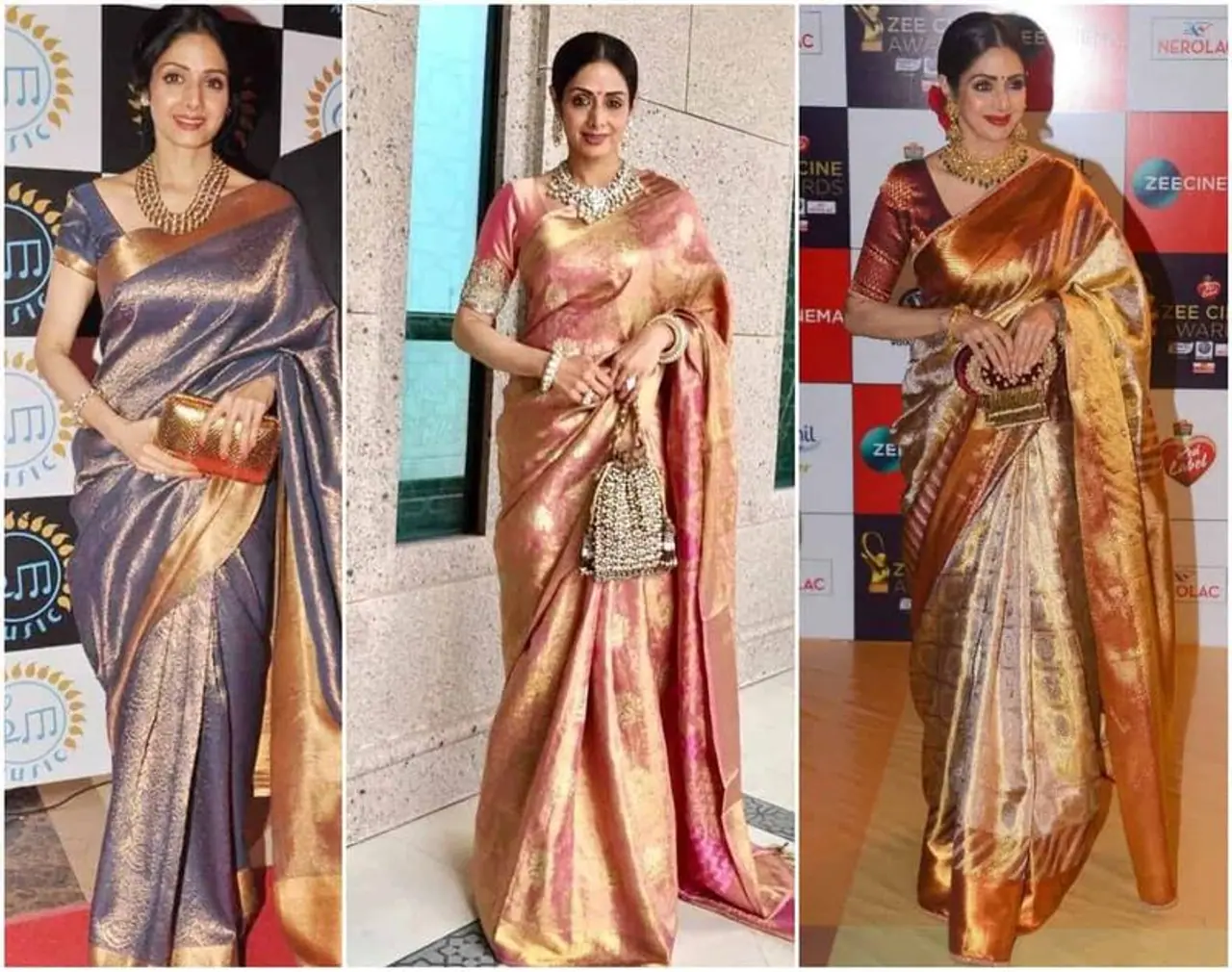
- Paithani Saree (Maharashtra): These silk sarees feature peacock and floral motifs with vibrant color combinations. Paithani sarees are prized for their rich heritage and intricate handwoven designs.
- Bandhani/Bandhej Saree (Rajasthan/Gujarat): Bandhani sarees are known for their tie-and-dye technique, creating patterns and dots in vibrant colors. They are popular for festive occasions.
- Chanderi Saree (Madhya Pradesh): Chanderi sarees are lightweight and made from fine silk or cotton. They are known for their sheer texture, zari borders, and traditional motifs like peacocks and flowers.
Also Read: Love wearing Kanjivaram sarees? Know how to store and clean them at home
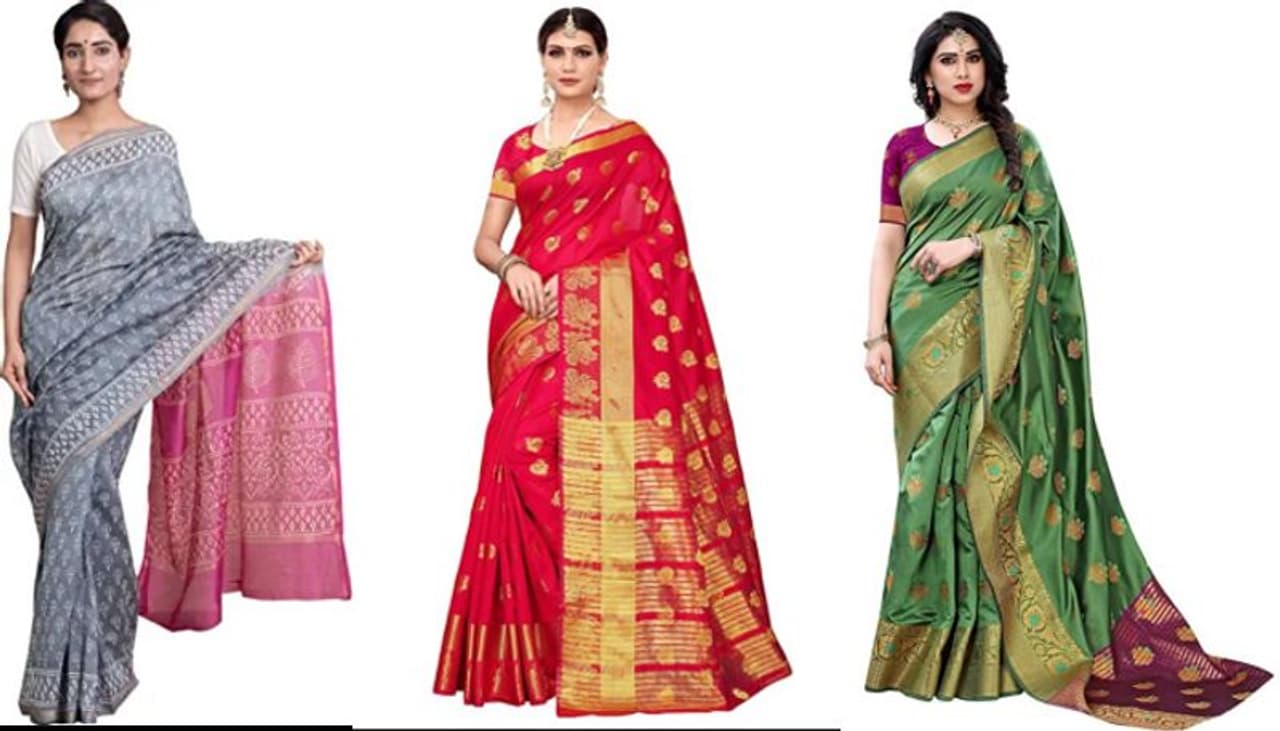
- Sambalpuri Saree (Odisha): Sambalpuri sarees are handwoven with ikat patterns using tie-and-dye techniques. They showcase intricate motifs inspired by nature and have a unique appeal.
- Muga Silk Saree (Assam): Made from golden silk produced by Assam's indigenous silkworm, Muga silk sarees are known for their lustrous texture, durability, and traditional Assamese motifs.
- Patola Saree (Gujarat): Patola sarees are double ikat silk sarees with intricate geometric patterns. They require exceptional skill and are considered valuable heirlooms.
- Kota Doria Saree (Rajasthan): Made from lightweight cotton or silk, Kota Doria sarees are characterized by their sheer texture and distinctive square-shaped patterns called khats.
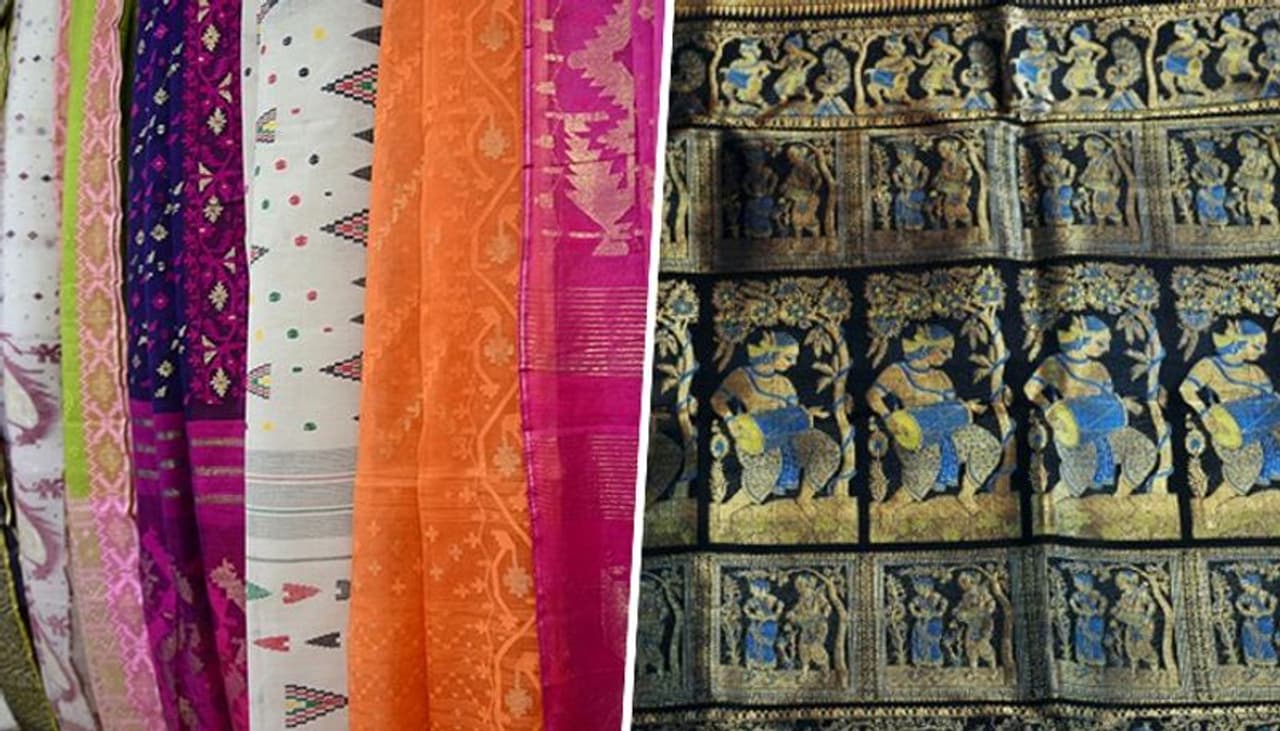
- Baluchari Saree (West Bengal): Baluchari sarees feature intricate scenes from mythological tales woven into the fabric. They are traditionally made in Murshidabad and are treasured for their exquisite craftsmanship.
Each of these traditional Indian sarees represents its respective region's cultural heritage and artistry, making them timeless and cherished pieces of clothing.
