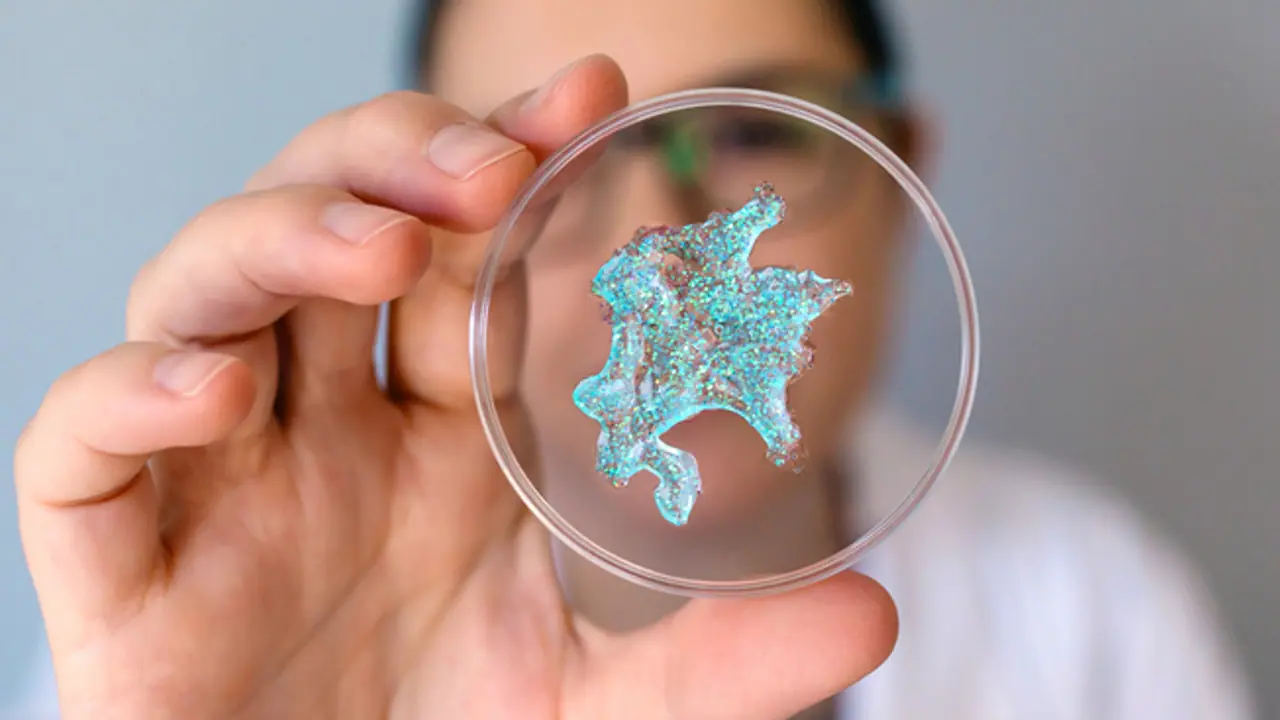
Scientists have found microplastics in human sperm and egg fluid. The study raises serious concerns about fertility, as experts now investigate whether plastic pollution is affecting the ability to conceive.
For the first time, scientists have found microplastics in human sperm and egg fluid. The discovery was announced at the 41st Annual Meeting of the European Society of Human Reproduction and Embryology (ESHRE) in Paris.
Researchers found microplastics in the follicular fluid (which surrounds the egg in the ovary) of 69% of women, and in the seminal fluid of 55% of men who took part in the study.
These fluids are essential for both natural conception and in-vitro fertilisation (IVF), reports British platform GB News.
Related Articles

Study reveals widespread presence of plastic particles
The study found particles from several everyday plastics, including:
- Polytetrafluoroethylene (PTFE): Known as Teflon, used in non-stick cookware
- Polypropylene: Commonly found in food containers
- Polystyrene: Used in packaging
PTFE was the most common plastic found. It was present in 41% of men’s samples and in nearly one-third of women’s samples.
How the samples were tested
To prevent contamination, scientists collected the reproductive fluid samples in glass containers. They used laser infrared microscopy to identify and measure the plastic particles.
This technique helped the team confirm that the plastic particles were already present in the body, not introduced during the testing process.
What this could mean for fertility
Although the study did not directly test whether the microplastics were affecting fertility, experts say the results are worrying.
“We know from animal studies that microplastics can cause inflammation, DNA damage, hormonal disruption, and other problems where they collect,” said Dr Gomez-Sanchez.
He added that these problems could affect egg or sperm quality in humans too, but more evidence is needed.
Next steps: More research needed
The research team plans to:
- Study larger groups of people
- Explore how microplastics affect egg and sperm quality
- Look at how lifestyle and environment impact microplastic exposure
The goal is to better understand how modern pollution may be playing a role in falling fertility rates.
Advice for now: Reduce plastic use where possible
Dr Gomez-Sanchez said there’s no need for panic, but advised people to limit their exposure to plastic where they can.
Simple tips include:
- Using glass or stainless steel containers instead of plastic
- Avoiding bottled water when possible
- Not microwaving food in plastic containers
“Microplastics are just one factor. Fertility is also affected by age, genetics, and health,” he said. “But reducing plastic exposure is a good idea.”
Experts call for broader awareness
Dr Carlos Calhaz-Jorge, former chair of ESHRE, said, “Environmental factors clearly affect reproduction, but they’re hard to measure. This study gives us one more reason to rethink our daily use of plastics.”
He said while more research is needed to understand the full impact, the findings should not be ignored.
A growing concern worldwide
This study comes as many developed countries are seeing declining fertility rates and a sharp rise in IVF demand. Experts say pollution may be part of the problem.
Microplastics have already been found in human blood, lungs, and the placenta. But this is the first time they’ve been discovered in the fluids that help create human life.
As one researcher put it, “Microplastics are everywhere, in the air, in our food, in our water. And now we know, they might even be affecting the start of life itself.”