
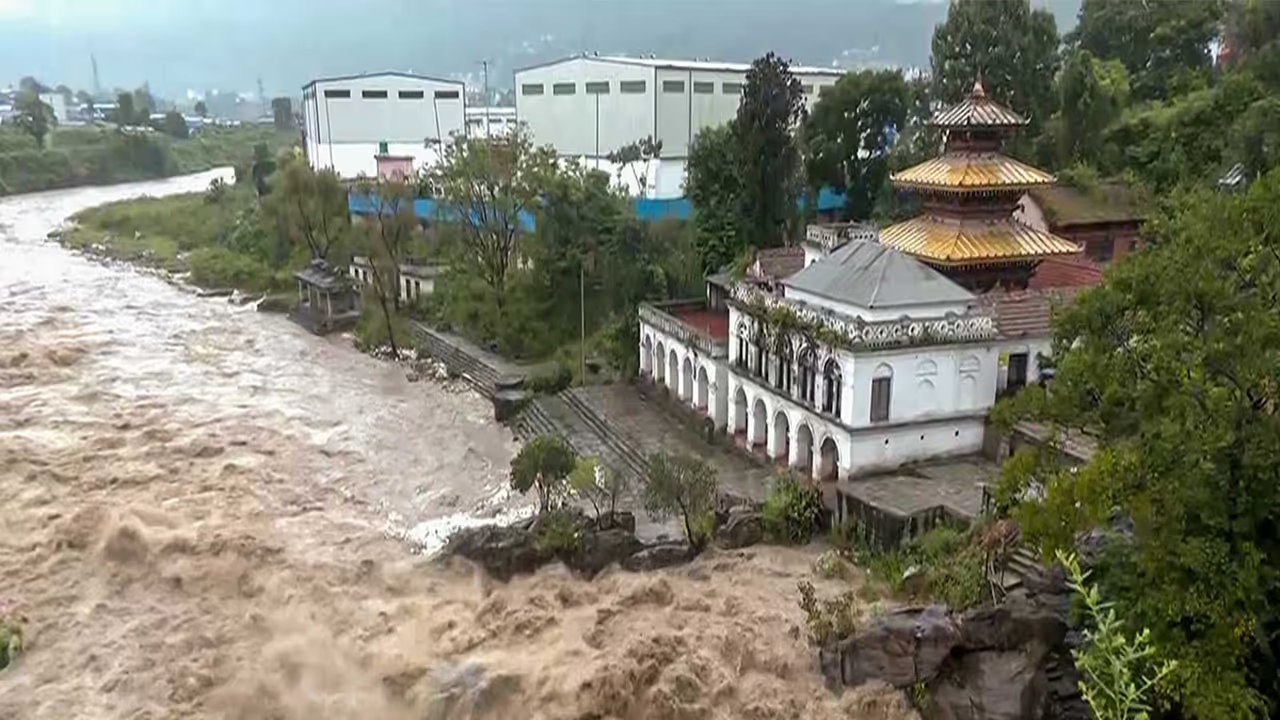
A landmark climate-finance decision has brought relief to a disaster-hit nation, but the scale of support is reigniting questions about whether global funding mechanisms can match growing climate impacts.
Nepal has become the first country to receive disaster-specific support from the Fund for Responding to Loss and Damage (FRLD), marking a significant milestone for the international climate-finance mechanism. Yet the funding approved so far covers only a fraction of the country’s estimated recovery requirements following the devastating floods that struck in August 2026.
The FRLD has provisionally allocated $21.6 million to Nepal under a pilot process developed through its Barbados Implementation Modalities, the framework governing the fund’s initial operating phase. Nepal submitted its application on August 31, shortly after catastrophic flooding triggered widespread destruction across parts of the country.
The disaster originated from a chain of events involving the collapse of rock and ice from a glacier on Langtang Lirung near the Nepal-China border. The resulting Bhote Koshi flood unleashed powerful torrents through mountain valleys, causing severe damage to infrastructure, hydropower facilities and settlements.
According to available assessments cited in the report, at least 1,451 people lost their lives while another 5,745 were reported missing. The floods also destroyed multiple hydropower installations within the Trishuli river system and left extensive damage across affected regions.
Nepal’s government estimated total losses and damages from the disaster at approximately $2.7 billion. A subsequent post-disaster assessment undertaken by national authorities placed the country's overall recovery needs at around $4.77 billion.
Against that backdrop, the amount provisionally allocated through the Loss and Damage Fund represents less than one per cent of what Nepal is expected to require for long-term recovery and reconstruction.
The decision nevertheless carries symbolic significance because it is the first occasion on which the fund has responded directly to a specific climate-related disaster.
Established during COP27 in Egypt and operationalised at COP28 in the United Arab Emirates, the fund was created to help vulnerable countries address losses and damages associated with climate impacts.
Calls Grow For Faster And Larger Climate Disaster Responses
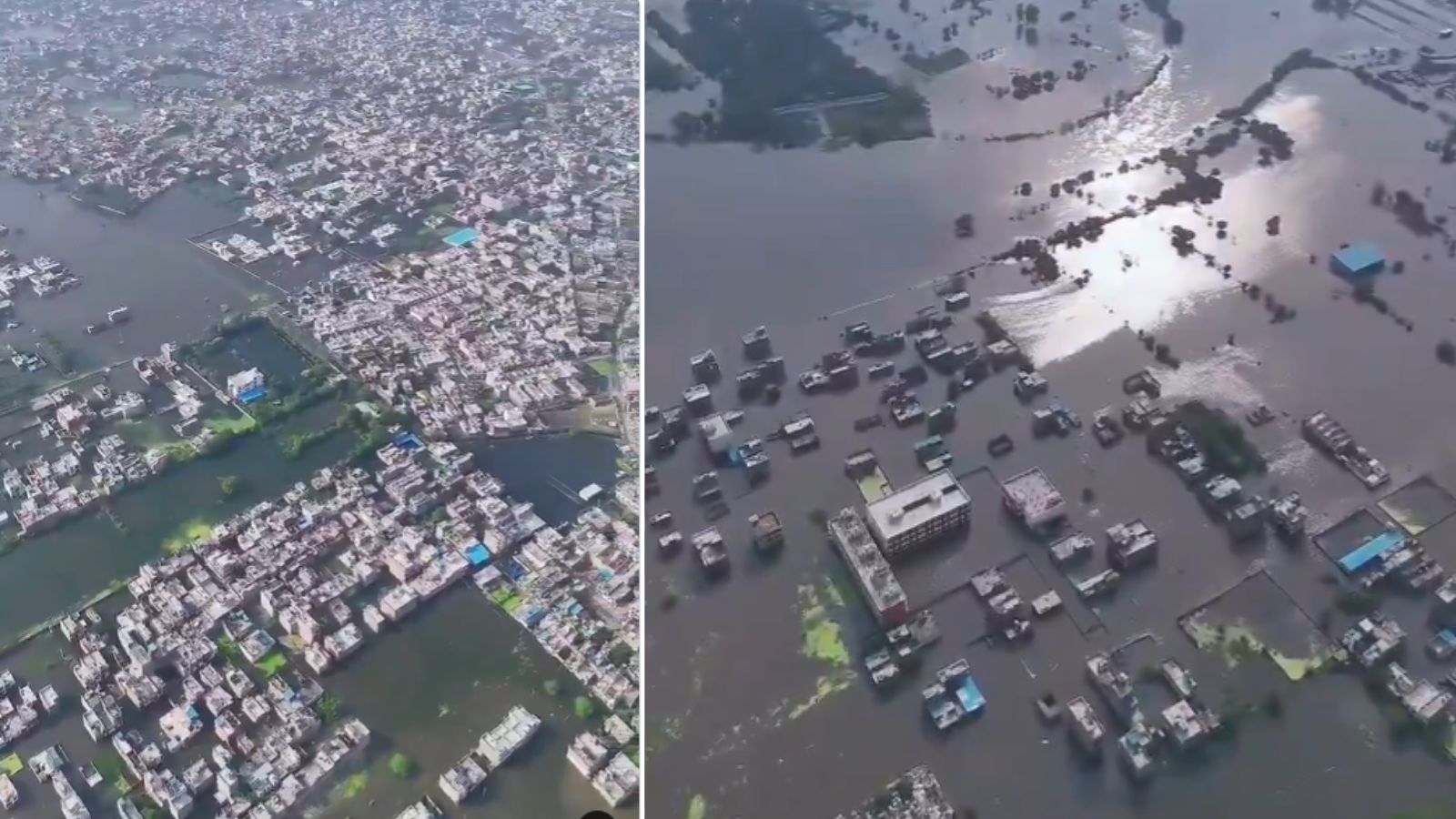
Supporters of the initiative welcomed the decision but argued that the Nepal case exposed broader limitations in the current system.
Campaigners noted that Nepal faced significant challenges securing emergency support before the fund convened a special meeting to address the request. They argued that future climate-related disasters should not require prolonged advocacy efforts before financial assistance becomes available.
Several advocates called for a permanent rapid-response mechanism capable of releasing resources within days rather than weeks or months after major catastrophes.
Others emphasised the importance of providing communities with more direct access to funding. Proposals included dedicated funding channels for community organisations, local groups and grassroots actors involved in disaster recovery efforts.
The discussions also highlighted wider concerns about the scale of funding available through the Loss and Damage Fund.
Advocates pointed out that climate-related losses across developing countries are projected to be far larger than the resources currently available through the mechanism. Research referenced in the debate suggests economic losses and damages in developing economies could reach hundreds of billions of dollars annually by the end of the decade.
Questions also persist regarding how the fund will operate in the future.
Some developed countries reportedly supported the Nepal allocation while maintaining that the decision should not automatically establish a precedent for future responses or determine the long-term operating structure of the fund.
As preparations continue for future climate negotiations, Nepal’s case is likely to become an important reference point in debates over the effectiveness of international climate-finance systems.
