
As COP31 approaches, a new fault line is emerging in climate diplomacy. One major economy wants negotiators to confront an issue increasingly shaping the future of global clean energy.
China wants next month's COP31 climate summit in Türkiye to address what it sees as a growing obstacle to global climate action: trade restrictions targeting clean-energy technologies.
Ahead of the UN climate conference in Antalya, Chinese officials argued that discussions should expand beyond traditional issues such as emissions reductions and climate finance to include concerns over protectionist measures affecting the international flow of green technologies.
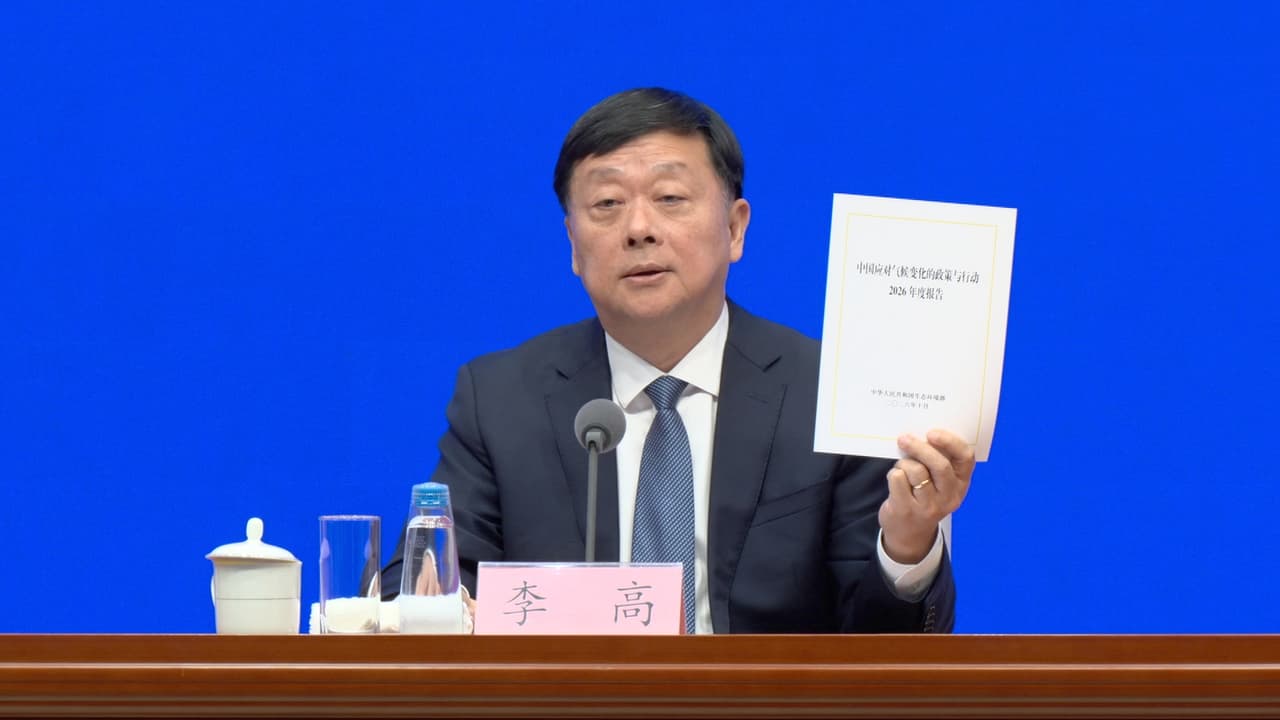
Speaking at a press conference on Wednesday, Li Gao, vice minister at China's Ministry of Ecology and Environment, said the conference should tackle both longstanding and emerging challenges facing international climate cooperation.
According to Li, developed countries continue to face questions over emissions reductions and climate-finance commitments, while a newer challenge has emerged in the form of unilateral and protectionist policies that could hinder collective climate efforts.
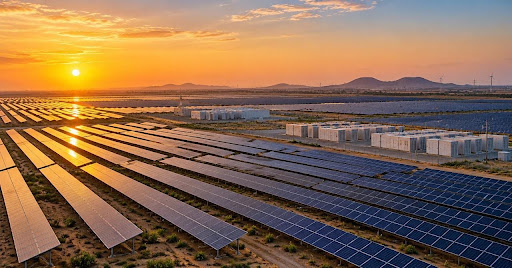
The comments reflect China's growing concern over trade measures introduced by major economies against Chinese clean-energy products. As the world's largest manufacturer of solar panels, batteries, wind turbines and electric vehicles, China occupies a central position in global efforts to deploy technologies needed for emissions reductions.
However, those same industries have increasingly become the focus of trade disputes.
The United States has imposed substantial tariffs on Chinese electric vehicles and solar-related products, while the European Union has introduced measures affecting Chinese automobile exports, implemented restrictions involving certain solar products and opened investigations into Chinese wind-energy companies.
Beijing argues that such actions complicate the rapid deployment of technologies needed to accelerate the global energy transition.
Climate Talks Increasingly Intersect With Trade And Industrial Policy
China's position highlights a broader shift taking place within international climate negotiations. While previous conferences focused heavily on carbon-reduction targets and finance commitments, questions surrounding industrial policy, supply chains and technology access are becoming increasingly important.
Li said geopolitical tensions are intensifying at a time when countries should be strengthening cooperation on climate solutions. He argued that delegates in Antalya should examine ways to maintain the movement of green technologies across international markets.
He also warned that China would firmly respond to criticism or accusations directed at its role in clean-energy manufacturing.
Beyond trade, Beijing wants COP31 to advance discussions around climate finance. Li pointed to the need for a roadmap supporting a commitment made in 2024 to mobilise $300 billion annually in climate finance for developing countries.
Climate finance is expected to remain one of the most closely watched issues at the summit, particularly among developing nations seeking greater support for emissions reduction and climate adaptation efforts.
Another topic likely to attract attention in Antalya is electrification. Türkiye has been promoting efforts to secure international backing for a global agreement centred on expanding electrification as part of the clean-energy transition.
When asked whether China supported that initiative, Li stopped short of offering direct endorsement. Instead, he said the objective was generally consistent with China's own policy direction while encouraging the conference presidency to continue consulting widely with participating countries.
He emphasised the importance of seeking common ground and securing the broadest possible support from negotiating parties.
The comments provide an early indication of how discussions at COP31 may evolve. Alongside familiar debates over emissions targets and climate finance, delegates could find themselves navigating increasingly complex questions involving trade policy, industrial competition and access to clean-energy technologies.
