

India is mobilising billions for its climate transition, but the bigger challenge lies beyond funding. The next phase will depend on whether investment creates jobs, strengthens industry and delivers measurable economic gains.
India’s climate-finance conversation is increasingly moving beyond the question of how much money can be raised and towards a more difficult issue: whether that capital is delivering measurable economic outcomes.
As the country pursues its development ambitions, energy-security objectives and long-term net-zero target for 2070, policymakers are under growing pressure to ensure climate finance supports industrial expansion, employment creation and productivity growth alongside emissions reduction.
Green bonds have emerged as one of the most prominent tools in this transition. Their appeal lies in their ability to channel long-term capital into projects such as renewable energy, clean transportation, resilient infrastructure and industrial decarbonisation. Yet the larger debate is no longer about financing access alone. Increasingly, the focus is on what those financial flows ultimately achieve.
India’s financing requirements help explain the urgency. Estimates from the Reserve Bank of India indicate that annual green finance equivalent to at least 2.5 per cent of GDP will be needed through 2030. At the same time, the government’s climate-finance framework has suggested that achieving national climate commitments may require around $2.5 trillion in investment by the end of the decade.
Those figures underline the limitations of relying solely on public expenditure. Green bonds offer an avenue for attracting institutional capital into sectors with long investment horizons while linking commercial returns to climate-related outcomes.
The government has already taken important steps in building the market.
India issued its first sovereign green bonds in FY2022-23, raising ₹16,000 crore. A further ₹20,000 crore followed in FY2023-24. Official assessments show that most proceeds from the first issuance were directed towards clean transportation projects, with rail infrastructure accounting for a significant share.
The importance of sovereign issuance extends beyond the funds raised. It helps establish market benchmarks, improve investor confidence and encourage broader participation by corporate and municipal borrowers.
Climate Finance Will Succeed Only If It Supports Jobs And Manufacturing
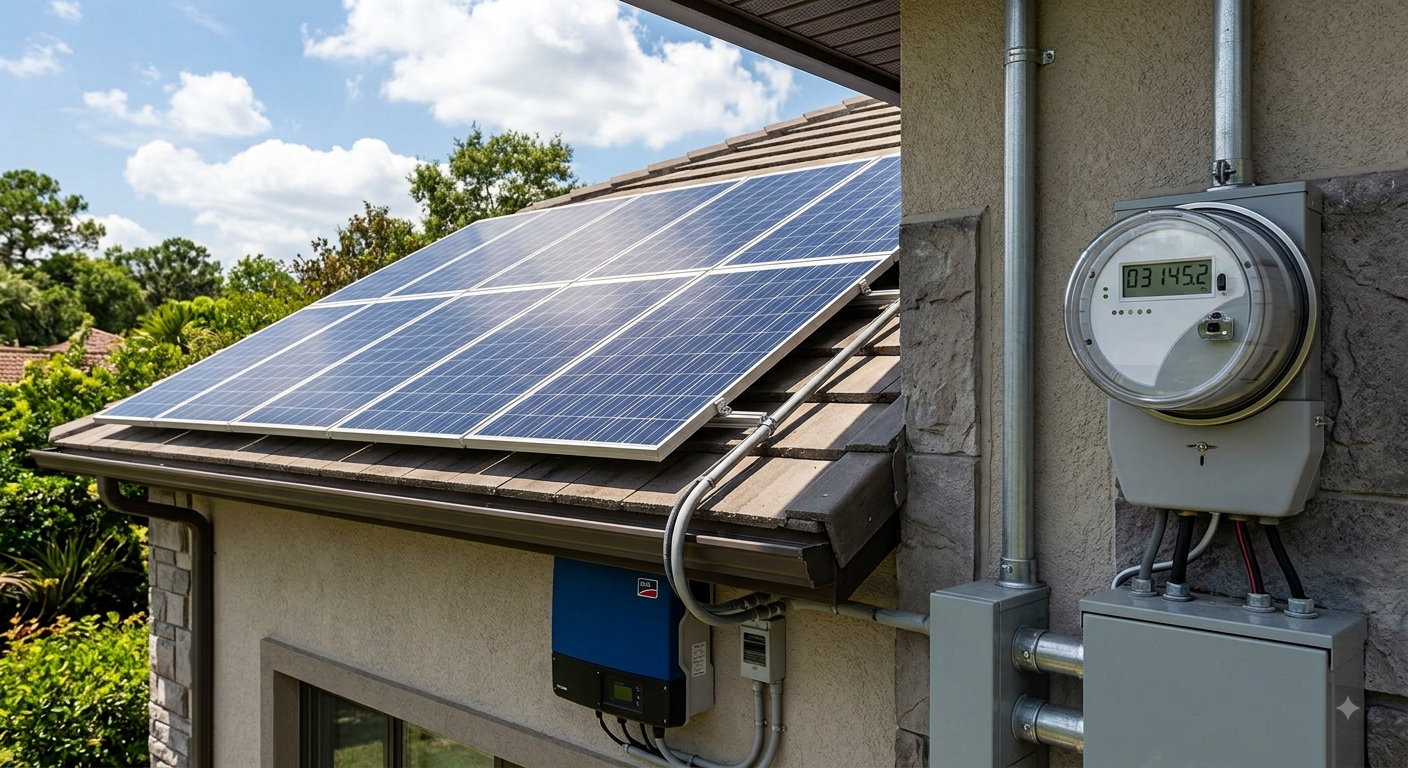
The long-term significance of green bonds depends largely on their ability to strengthen India's productive economy.
Supporters argue that climate finance can help overcome financing barriers that have historically slowed investment in clean technologies. Sectors such as solar manufacturing, battery production, electric mobility, electrolyser deployment and energy-efficient equipment could all benefit from sustained access to capital.
The economic case goes beyond environmental objectives. Policymakers increasingly view climate investment as a means of supporting industrial development, technological innovation and competitiveness.
Employment generation remains a particularly important aspect of the debate.
Data cited in the article shows India had approximately 1.3 million renewable-energy jobs in 2024, spanning areas such as hydropower, solar photovoltaics and biofuels. The country also continued expanding renewable-energy capacity, reaching nearly 295.6 GW by August 2026, including large hydropower projects.
However, specialists caution that job creation should not be assumed automatically. Large renewable-energy facilities often require substantial investment but relatively limited permanent staffing after construction.
As a result, the composition of investment becomes crucial. Greater employment gains are likely when financing also supports decentralised energy systems, rooftop installations, public transport, building retrofits and ecosystem-restoration initiatives.
Domestic manufacturing presents another opportunity. Programmes supporting solar-module production and related supply chains could help ensure climate investments generate broader economic benefits through factory expansion, skilled employment and increased local value creation.
At the same time, transition costs cannot be ignored. Communities dependent on coal and other carbon-intensive industries face adjustment pressures that require support through retraining programmes, local infrastructure development and economic diversification initiatives.
Trust and accountability will also influence the sector's future growth. Investors increasingly expect clear evidence that green-bond proceeds are financing genuinely climate-aligned activities. Robust monitoring systems, transparent reporting and measurable outcomes are therefore becoming central to market credibility.
The next phase of India's climate-finance journey may ultimately be judged less by capital raised and more by outcomes delivered. Green bonds alone will not transform the economy, but if linked effectively to industrial development, skills creation and employment growth, they could become a critical bridge between climate goals and economic progress.
