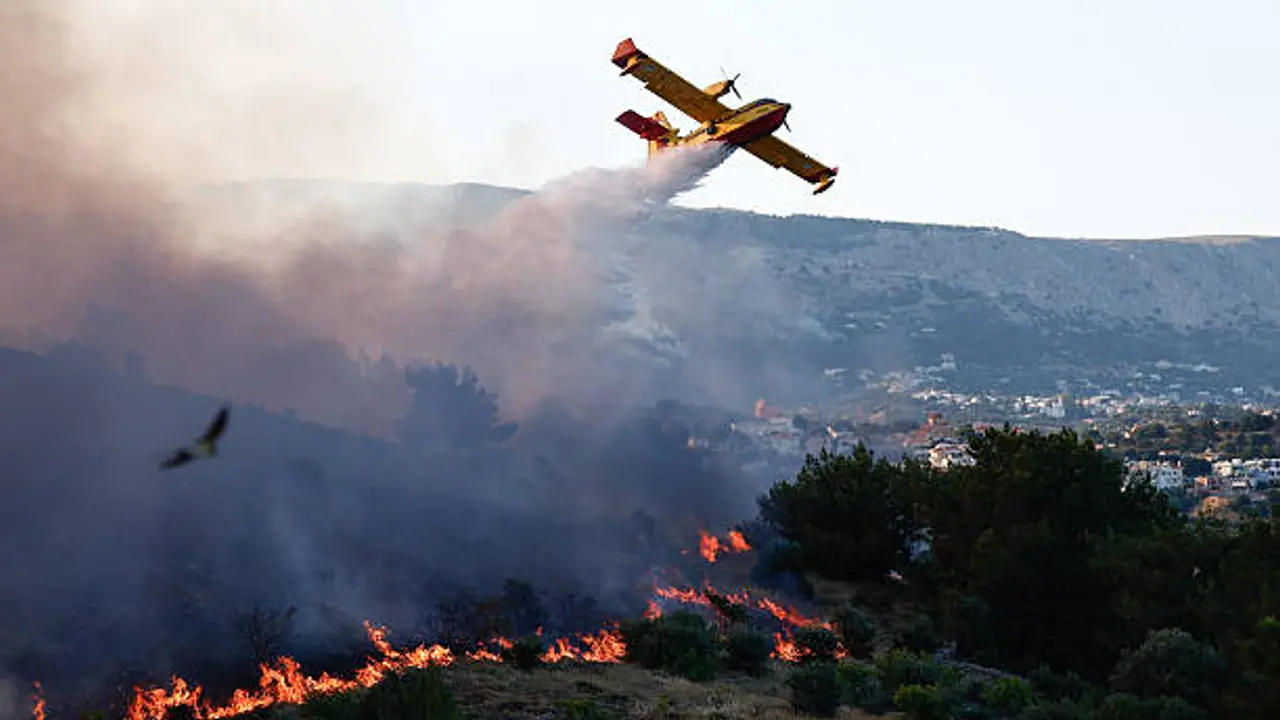
Wildfires don’t just char the land and blacken forests — they leave behind a poisonous aftermath that flows silently through Western America's rivers, persisting long after the flames have died.
Wildfires don’t just char the land and blacken forests — they leave behind a poisonous aftermath that flows silently through Western America's rivers, persisting long after the flames have died. A groundbreaking new study has revealed wildfire-triggered contaminants can plague waterways for up to eight years.
Published on June 23 in Nature Communications Earth & Environment, this sweeping analysis evaluated more than 100,000 water samples from over 500 watersheds across the Western US. It marks the most comprehensive assessment yet of post-wildfire water quality.
Pollutants such as nitrogen, phosphorus, organic carbon, and sediment were found to remain at significantly elevated levels for several years after a fire. While organic carbon, turbidity, and phosphorus spike in the first five years, nitrogen and sediment pollution can persist and surge for up to eight years, often triggered by post-fire storms that flush the residual debris into streams.
Related Articles

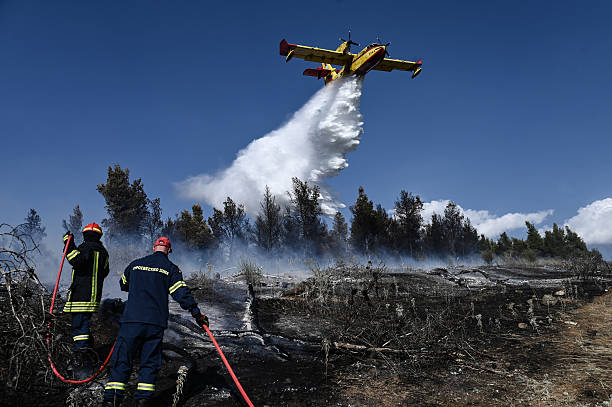
Wildfires threaten water quality for up to eight years after they burn
“It can take two years, up to eight years, for the effect to be fully felt,” said Noah Livneh, a co-author of the study. “Sometimes it can be a delayed effect, meaning, it's not all happening right away, or sometimes you need a big enough storm that will mobilize enough of the leftover contaminants.”
The research also reveals that not all watersheds suffer equally. Proximity to fire, soil composition, vegetation type, and even post-burn weather patterns all contribute to how rivers are impacted. Fires that rage closer to rivers tend to cause greater long-term pollution, while those further upstream might have subtler but still significant effects.
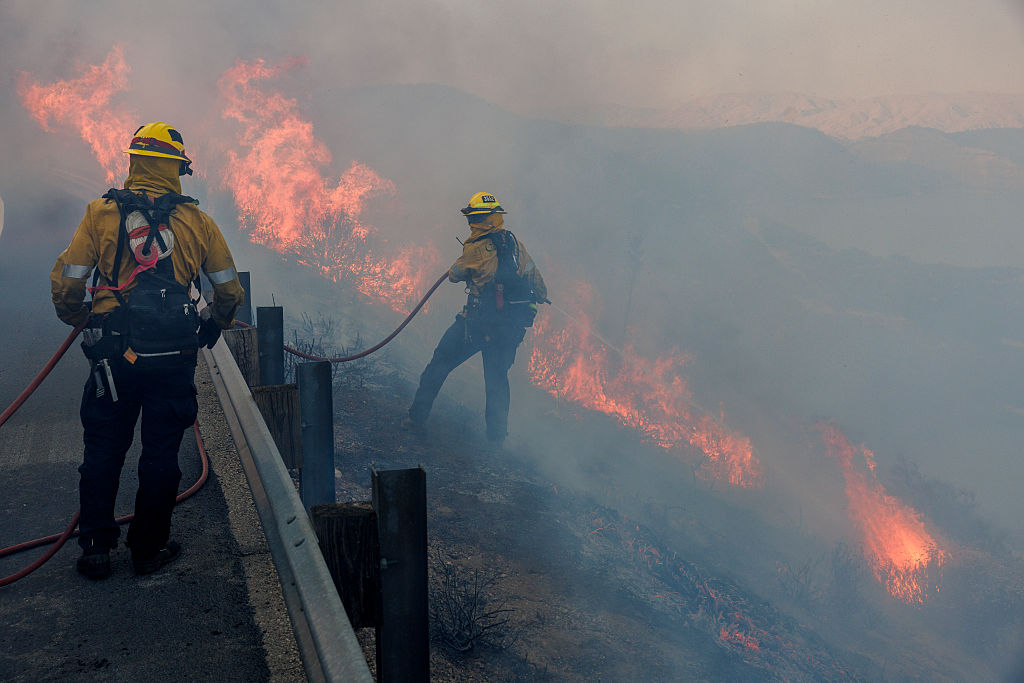
“There's a huge amount of variability in sedimentation rates,” noted study contributor Brucker. “Some streams are completely clear of sediment after wildfires, and some have 2000 times the amount of sediment.”
“I'm hoping that providing concrete numbers is very impactful to water managers,” Brucker said. “You can't fund resilience improvements on general concerns alone. Water managers need real numbers for planning, and that's what we're providing.”