
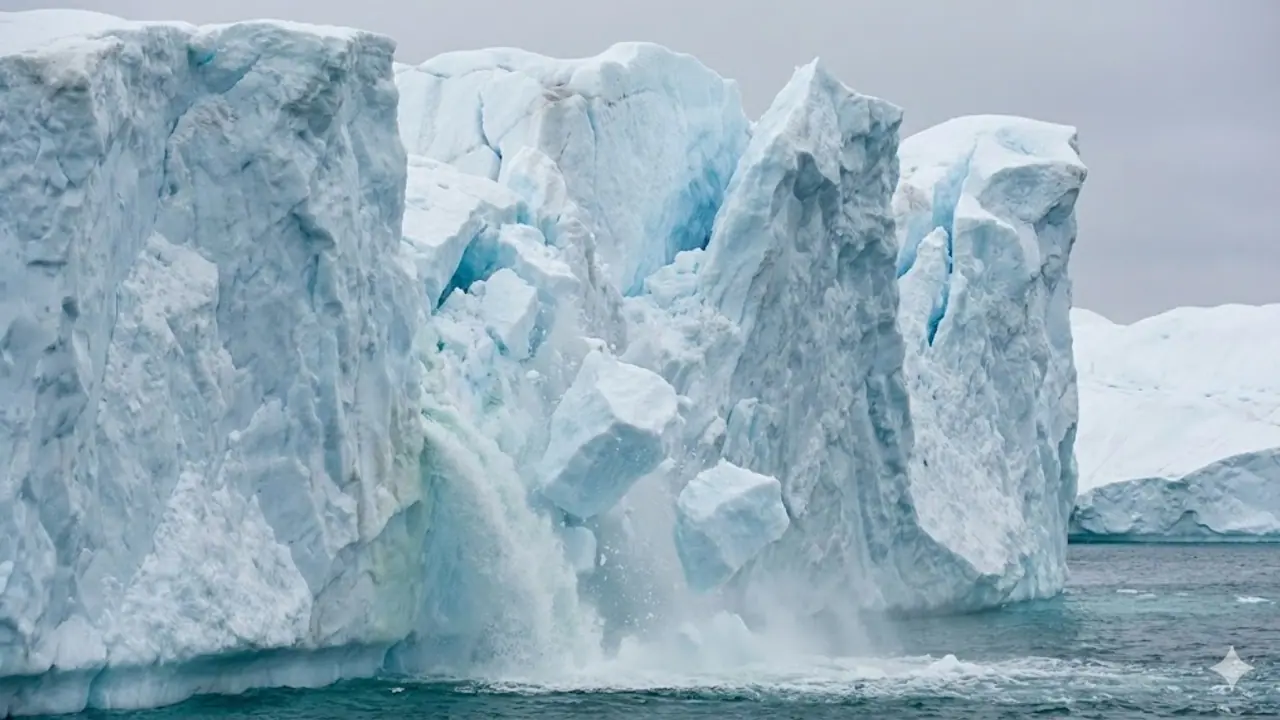
A major climate assessment has revealed troubling new evidence about future risks, highlighting long-term impacts that may continue unfolding for centuries even if global action accelerates today.
The economic consequences of climate change may be far greater than previously estimated, while significant sea-level rise is already unavoidable for generations to come, according to a major new scientific assessment examining the latest developments in climate research.
The report, 10 New Insights in Climate Science 2026/2027, draws together evidence published between January 2025 and June 2026 and presents a picture of a warming planet facing rising environmental, economic and social pressures.
Among its most significant findings is the conclusion that the financial damage associated with carbon emissions could be several times higher than many earlier estimates suggested. Researchers also warned that ocean warming and rising sea levels are now progressing along trajectories that will continue long into the future.
The report notes that 2025 was approximately 1.43 degrees Celsius warmer than pre-industrial levels. At the same time, human activities released a record 38.1 billion tonnes of carbon dioxide from fossil fuel use and cement production.
Scientists found that the years between 2015 and 2025 collectively represented the warmest 11-year period ever recorded. Atmospheric carbon dioxide concentrations also continued climbing, reaching about 425.6 parts per million in 2025.
Researchers argue that current national climate commitments remain insufficient for achieving pathways aligned with limiting warming to 1.5 degrees Celsius.
The report warns that every additional increase in global temperature raises the likelihood of more severe and potentially irreversible climate impacts.
Ocean Warming And Rising Seas Continue To Accelerate
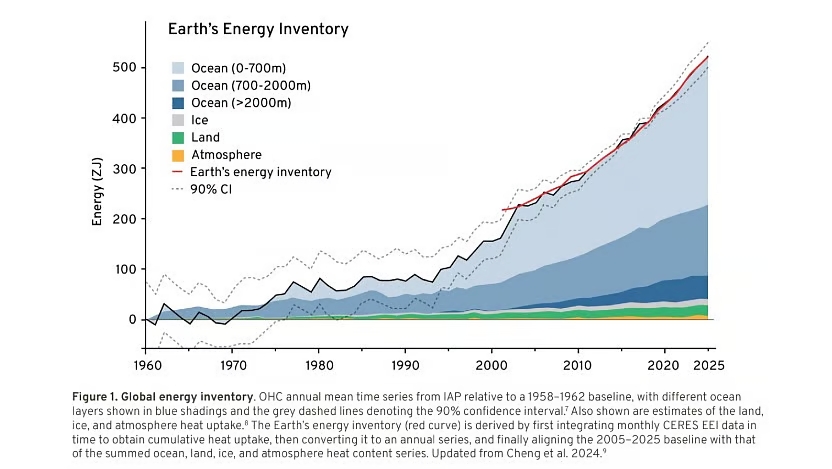
One of the clearest warning signals identified in the report comes from the world's oceans.
Ocean heat content reached a record level for the ninth consecutive year in 2025. Scientists estimate that more than 90 per cent of excess heat trapped in the Earth's climate system is absorbed by the oceans.
Because heat moves slowly into deeper ocean layers, researchers say part of today's warming is already committed to future impacts.
Sea-level rise is among the most significant of those consequences.
According to the assessment, the global rate of sea-level rise has doubled during the past three decades. Continued emissions under current policy pathways could lock in hundreds of millimetres of additional sea-level rise by 2300.
Researchers estimate that stronger action consistent with international climate goals could avoid a substantial portion of those long-term increases.
The report also highlights growing concern about glaciers.
Even without additional warming, scientists project significant long-term ice loss from glaciers worldwide. Continued warming would further increase contributions to future sea-level rise.
Approximately one billion people currently live in coastal areas less than 10 metres above sea level, making long-term changes particularly significant for many communities.
Water Stress And Economic Risks Intensify
The report identifies worsening freshwater shortages as another major challenge.
According to the findings, about three-quarters of the world's population live in countries that have been losing freshwater resources since 2002.
Researchers estimate that global water consumption already exceeds sustainable levels by hundreds of cubic kilometres annually. That imbalance is expected to grow further as temperatures rise.
South Asia is highlighted as one of the regions facing particularly intense pressure due to irrigation demands, groundwater depletion and increasing water stress.
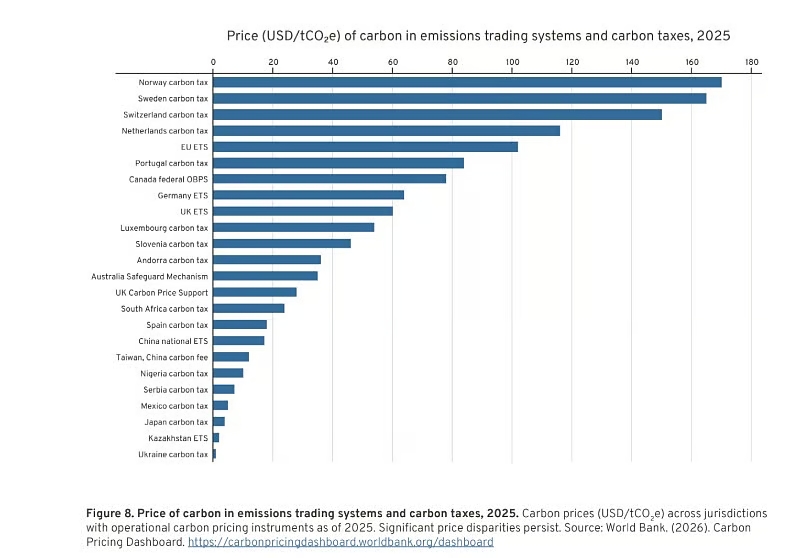
The report's economic findings are equally striking.
Scientists conclude that previous calculations may have substantially underestimated the true cost of carbon emissions. Updated research suggests that projected economic losses under high-warming scenarios could rise dramatically when broader climate effects are incorporated into assessment models.
Some analyses cited in the report indicate that the social cost of carbon, a measure of the economic damage caused by an additional tonne of carbon dioxide emissions, could be several times higher than earlier estimates.
Researchers also point to advances in attribution science, which increasingly allow climate impacts to be linked to specific sources of emissions.
The report further notes that climate impacts are not distributed evenly.
Higher-income groups contribute disproportionately to emissions, while many of the most severe consequences fall on lower-income and climate-vulnerable regions.
Beyond climate science itself, the assessment examines trade, finance and geopolitics, warning that delays, policy dilution, misinformation and unequal access to resources continue to slow the transition toward lower-emission economies.
Despite the challenges, researchers stress that opportunities for action remain available.
The report concludes that stronger climate targets, increased financing, expanded adaptation measures and more effective international cooperation will be essential if countries hope to reduce future risks and limit the scale of long-term environmental and economic damage.
