The Reserve Bank of India's Monetary Policy Committee has cut the repo rate by 25 basis points to 5.25%. The unanimous decision was driven by low inflation, which has dropped to 2.2%, and strong GDP growth.
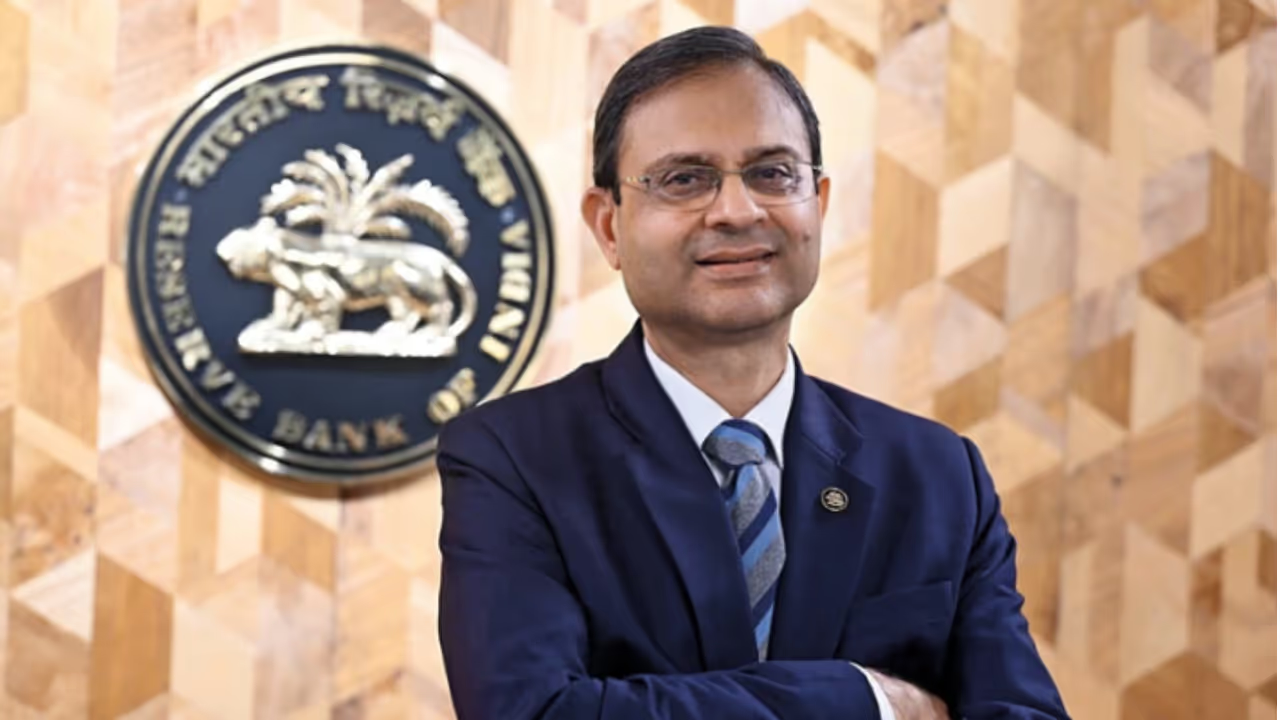
India's central bank on Friday (December 5) delivered a much-awaited December surprise, cutting the repo rate by 25 basis points to 5.25%. With inflation easing and growth staying strong, RBI Governor Sanjay Malhotra called the moment a "rare balance" for the economy, one where both stability and momentum appear to align.
Here are the five most important takeaways from today's policy announcement:
1. RBI Cuts Repo Rate by 25 bps
In a unanimous decision, the Monetary Policy Committee voted to reduce the repo rate by 25 basis points. This move is expected to offer some relief for borrowers while signalling that the RBI is confident about the economy's cooling inflation and stable growth outlook. The policy stance remains neutral, meaning future moves will depend on how the economy evolves.
Related Articles

2. Inflation Hits a Remarkable Low
Calling it a significant milestone, Governor Malhotra highlighted that inflation has dropped to 2.2%, its lowest in years. This softer price pressure gave the central bank breathing room to bring down interest rates without worrying about overheating demand. "It is a moment where inflation and growth are moving together in harmony," the Governor remarked.
3. Rural India Continues to Drive Demand
Rural consumption remains one of the brightest spots in the economy. Strong agricultural activity, rising incomes and consistent spending patterns are keeping demand in villages healthy. According to Malhotra, this resilience from rural India is playing a vital role in supporting broader economic momentum.
4. Urban Demand Gaining Steady Strength
City-based consumption, which had slowed in previous quarters, is now firmly back on a growth track. The Governor noted that urban demand is "recovering steadily," driven by better job numbers, improving consumer confidence and higher discretionary spending. Sectors like travel, retail and hospitality are seeing visible traction.
5. India in a 'Goldilocks' Moment
With 8% GDP growth in the first half of the year and inflation comfortably low, Malhotra said the economy is experiencing a rare "Goldilocks period", a phase where growth is strong without the pressure of rising prices. Investment activity is picking up too, with private sector participation strengthening alongside higher capacity utilisation and a rise in non-food bank credit.