
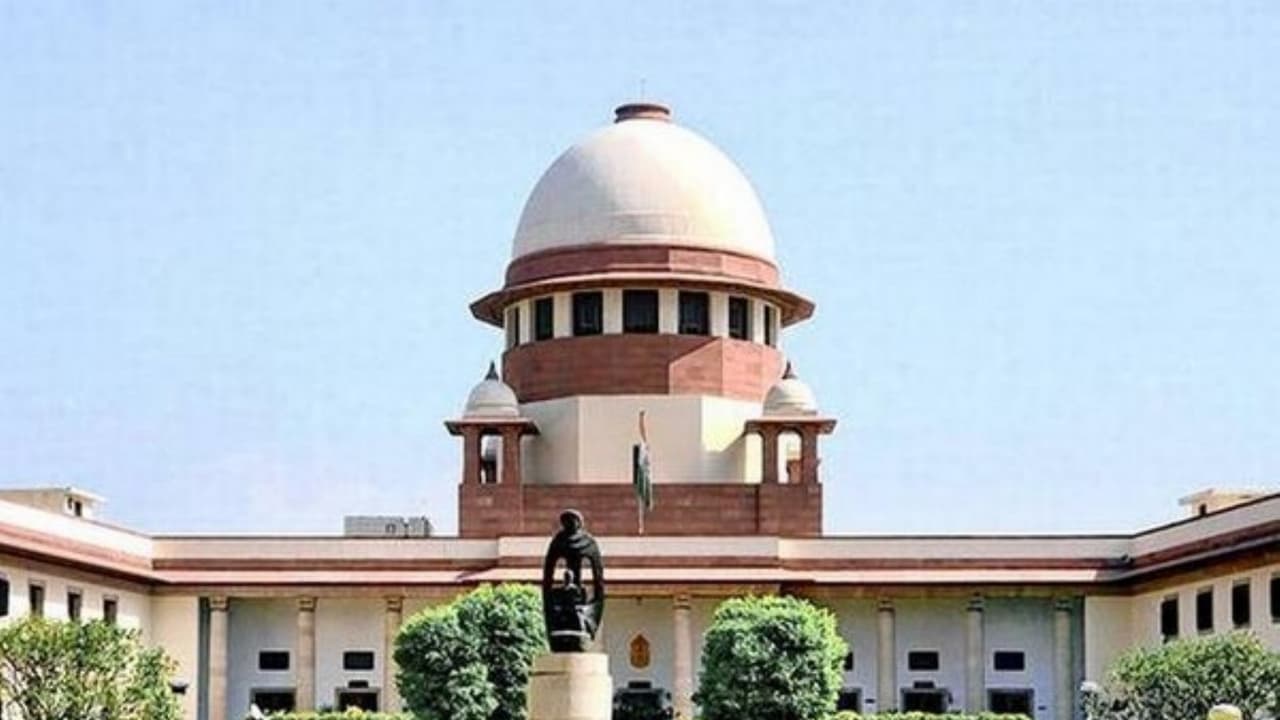
The Supreme Court has dismissed a Public Interest Litigation (PIL) that challenged the 2018 amendment to the SC/ST Act. The court refused to reconsider the stringent provisions, stating the law had already been upheld by a 2020 judgment.
Court Declines to Revisit Ruling
A bench of Chief Justice of India Surya Kant and Justices Joymalya Bagchi and V Mohana noted that the amendment had already been upheld by the Supreme Court in its 2020 judgment, which had also laid down safeguards against misuse of the Act.Advocate Hari Shankar Jain, appearing for petitioner Brijbhushan Saini, urged the bench to reconsider the 2020 ruling, arguing that Section 18A of the Act, which bars anticipatory bail and removes the requirement of a preliminary inquiry before registration of an FIR and prior approval for arrest, was discriminatory and susceptible to misuse.
The bench, however, declined to revisit the issue. Justice Bagchi said individual instances of alleged misuse could not be a ground to reconsider a law already upheld by a three-judge bench. The bench also noted that courts could intervene in cases where the statutory provisions were allegedly abused. The PIL was accordingly dismissed.
Petition Challenged Constitutional Validity
The petition challenged the constitutional validity of several provisions of the SC/ST Act, alleging that they violate fundamental rights under Articles 14, 21 and 22. The plea sought directions to protect the life, dignity and personal liberty of citizens while ensuring that the Act's provisions are not misused.
Filed by Saini and 18 others, the petition challenges Sections 3(1), 3(2)(i), 3(2)(v), 4, 8, 18, 18A and 19 of the Act. The petitioners have also sought directions to ensure safeguards in the registration of FIRs and arrest of persons accused under the legislation.
The petition particularly challenges Section 18A, which was introduced through the 2018 amendment and provides that no preliminary inquiry is required for registration of an FIR under the Act and no prior approval is required for arrest. The petitioners relied on the Supreme Court's 2018 judgment in Subhash Kashinath Mahajan v/s State of Maharashtra, which had issued safeguards against false implication, and contend that the subsequent statutory amendment diluted those safeguards.
(Except for the headline, this story has not been edited by Asianet Newsable English staff and is published from a syndicated feed.)