
On Mother's Day, Delhi CM Rekha Gupta launched the 'Aftercare Scheme for Young Persons' with a Rs 3.5 crore budget. The scheme will support youth leaving child care institutions with education, skills, employment, and financial aid for a self-reliant future.
On the occasion of Mother's Day, Chief Minister Rekha Gupta announced the 'Aftercare Scheme for Young Persons.' A budget of Rs 3.5 crore has also been allocated for this scheme in the current financial year. This initiative is designed for young individuals who are transitioning out of government-run 'Aftercare Homes' and striving to build a better future for themselves.
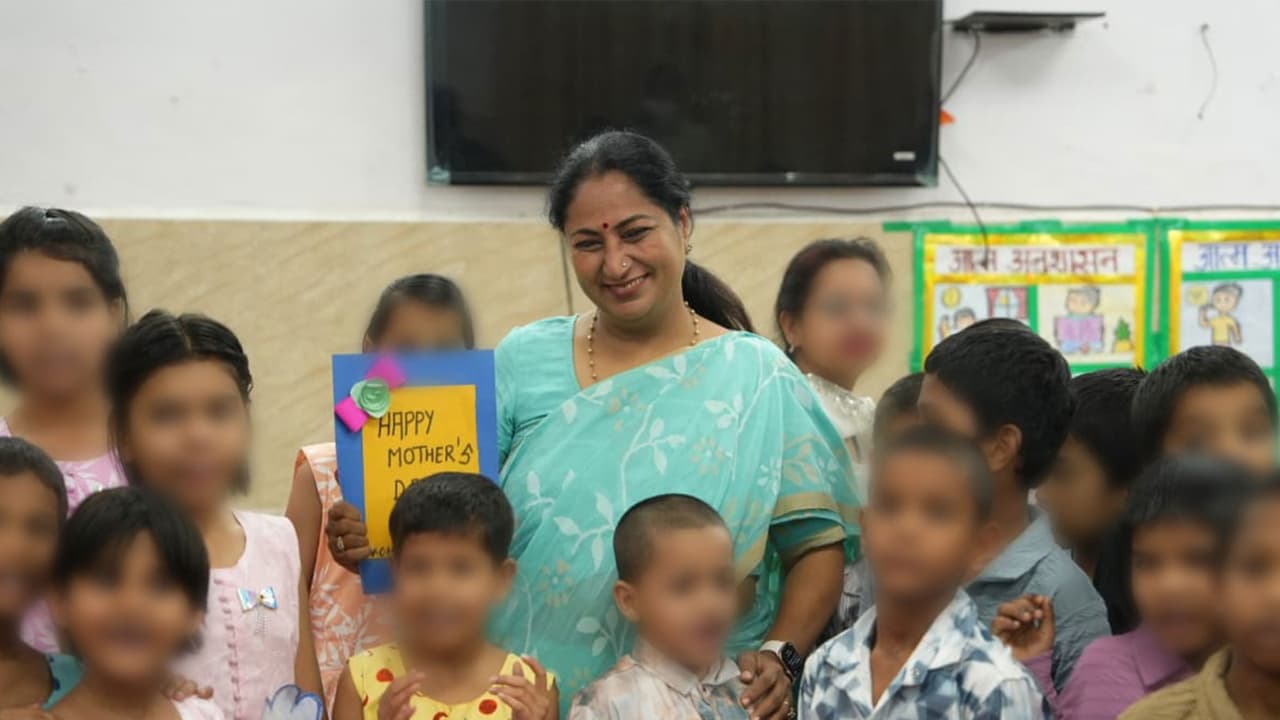
According to an official release from Delhi CMO, she stated that the Delhi government's objective is not merely to provide protection to children, but to ensure they have a secure, dignified, and self-reliant future--one in which no child or young person ever feels alone, helpless, or neglected. On Sunday, marking the occasion of Mother's Day, the Chief Minister paid a heartwarming visit to the young children residing at the Village Cottage Home in Lajpat Nagar. At this home, which is operated by the Department of Women and Child Development, the Chief Minister engaged in a warm and affectionate interaction with the children.
Details of Delhi's Child Care System
Providing details about the 'Aftercare Scheme,' the Chief Minister noted that there are currently 88 Child Care Institutions (CCIs) operational in Delhi. These institutions are being run jointly by the government and various non-governmental organisations (NGOs). Within these institutions, children up to the age of 18 are provided with care, protection, education, rehabilitation, and essential support. Additionally, two 'Aftercare Homes' are currently operational in Delhi--one for boys and one for girls. These homes provide accommodation, meals, educational assistance, and other basic amenities to young persons over the age of 18, enabling them to transition toward an independent life, a release stated.
CM Rekha Gupta affirmed that the Delhi government's commitment extends beyond merely providing institutional care to children; it is continuously working towards preparing them for the future. Under this initiative, children are being provided with facilities such as education, life skills, vocational training, career exposure, counselling, behavioural and emotional support, personality development, career guidance, and rehabilitation planning. The government endeavours to ensure that, upon reaching adulthood, these children can lead safe, healthy, dignified, and self-reliant lives with confidence.
The Need for Aftercare Support
The Chief Minister stated that every year, approximately 150 to 200 young individuals exit child care institutions after attaining the age of 18. While they receive various forms of assistance within these institutions, upon stepping out, they face numerous challenges--such as continuing their education, acquiring skills training, securing employment, navigating financial difficulties, and embarking on an independent life. Many of these young individuals also lack adequate family support or a secure environment.
She further noted that children and youth receiving assistance under arrangements such as sponsorship and foster care also require guidance, education, skill development, and rehabilitation support to successfully transition into adulthood. This government scheme is designed to provide the necessary assistance to all such young individuals, a release further stated.
'Aftercare Scheme' Approved Under JJ Act
Chief Minister Rekha Gupta announced that, taking into account these circumstances and the need for continuous support as young individuals transition into adulthood, the Delhi Government has approved the 'Aftercare Scheme for Young Persons' under the Juvenile Justice (Care and Protection of Children) Act, 2015. The primary objective of this scheme is to provide essential support, guidance, and opportunities to young individuals exiting institutional care, thereby enabling them to move towards leading independent, safe, dignified, and self-reliant lives.
Provisions of the Scheme
The Chief Minister explained that, under this scheme, eligible young individuals will receive assistance for higher education and college studies. Additionally, facilities for skill development and vocational training will be made available. Special emphasis will be placed on connecting these youth with internship and employment opportunities. The scheme also includes provisions for financial assistance and a monthly stipend. Furthermore, mentoring, counselling, career guidance, rehabilitation support, and the necessary assistance required to lead an independent life will be provided. Emergency and case-specific assistance will also be made available whenever required.
Budget and Implementation
The Chief Minister stated that the Delhi government has allocated a budget of Rs 3.5 crore for the financial year 2026-27 to ensure the effective implementation of the scheme. As per a release, under this scheme, young individuals will be assessed based on their specific needs; eligible beneficiaries will be identified, and individualised care plans will be formulated for them. Regular monitoring and review of aftercare services will also be ensured at both the state and district levels.
Committee Structure for Oversight
Chief Minister Rekha Gupta informed that, at the state level, a 'State Aftercare Committee' will be constituted under the chairmanship of the Secretary of the Department of Women and Child Development; this committee will be responsible for policy formulation, monitoring, and supervision of the scheme. While, at the district level, 'District Aftercare Committees' will be established under the chairmanship of the respective District Magistrates; these committees will assess the individual rehabilitation needs of the youth, review their individualised care plans, and recommend the provision of necessary assistance.
Chief Minister Rekha Gupta further stated that the Delhi government, working through various government departments and partner organisations, will continuously strive to connect youth receiving aftercare services with opportunities for internships, employment, skill development programs, and sustainable livelihoods, a release added. (ANI)
(Except for the headline, this story has not been edited by Asianet Newsable English staff and is published from a syndicated feed.)