
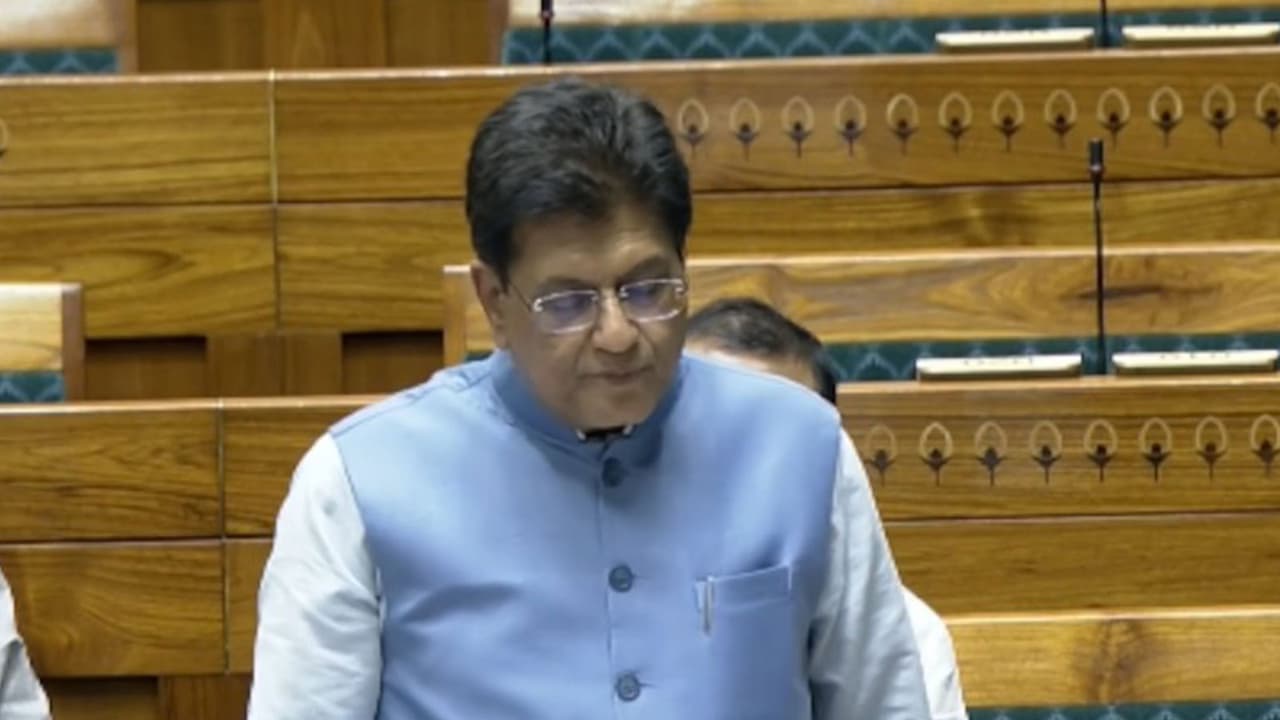
The Lok Sabha passed the Jan Vishwas (Amendment of Provisions) Bill, 2026, aiming to promote Ease of Doing Business and Living. It decriminalises 717 provisions and replaces imprisonment with monetary penalties for minor, technical defaults.
Lok Sabha on Wednesday passed the Jan Vishwas (Amendment of Provisions) Bill, 2026 which is aimed at promoting Ease of Doing Business and Ease of Living, while advancing a governance framework based on trust and proportionate regulation.
Key Amendments and Decriminalisation
The Bill seeks to amendment 784 provisions of 79 Central Acts administered by 23 Ministries, decriminalise 717 provisions to promote Ease of Doing Business and amend of 67 provisions to facilitate Ease of Living. Commerce and Industry Minister Piyush Goyal replied to the debate on the bill.
Shift Towards Civil Enforcement
The Bill seeks to rationalise more than 1000 offences, remove utdated and redundant provisions and improve the overall regulatory environment. It envisages a shift from criminal penalties for minor, technical, or procedural defaults to civil and administrative enforcement mechanisms. Key measures include replacing imprisonment provisions with monetary penalties or warnings, graded enforcement mechanisms, including warnings for first-time contraventions and rationalization of fines and penalties in proportion to the nature of the offence
New Enforcement and Adjudication Framework
To ensure efficient and time-bound enforcement, the Bill provides for appointment of Adjudicating Officers and establishment of Appellate Authorities Officials said that the measures aim to facilitate speedy disposal of cases and reduce litigation burden on courts, while ensuring adherence to principles of natural justice.
Amendments to Specific Acts
The Bill also proposes 67 amendments under the New Delhi Municipal Council Act, 1994 and Motor Vehicles Act, 1988 Officials said that the amendments are aimed at simplifying procedures and enhancing citizen convenience in areas such as municipal taxation and vehicle-related compliance.
Extensive Consultation Process
The bill is based on a comprehensive consultative process involving Inter-Ministerial Committee meetings, High-Level Committee meetings under NITI Aayog, interactions with industry associations, and civil society organisations. The Select Committee on the Jan Vishwas (Amendment) Bill, 2025 undertook a comprehensive consultation process consisting of 49 sittings with committee members, participating Ministries, external stakeholders, and subject-matter experts. (ANI)
(Except for the headline, this story has not been edited by Asianet Newsable English staff and is published from a syndicated feed.)