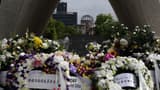
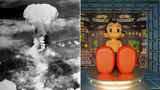
Lok Sabha, the lower house of Indian Parliament, held a two minute silence honoring the memory of victims of the atomic bombings in Hiroshima and Nagasaki on its 80th anniversary.
KNOW
Lok Sabha on Wednesday observed a two-minute silence in memory of the victims of the atomic bombings of Hiroshima and Nagasaki. The gesture came on the 80th anniversary of the 1945 nuclear attacks, which killed over two lakh people and left lasting scars on humanity. Speaker Om Birla led the tribute, calling it a solemn reminder of the horrors of war and the importance of peace.
What happened in Hiroshima and Nagasaki?
On August 6, 1945, the United States dropped the first atomic bomb on the Japanese city of Hiroshima, during the final stages of World War II. The bomb, nicknamed 'Little Boy', destroyed most of the city and killed an estimated 70,000-80,000 people instantly, with tens of thousands more dying later due to injuries and radiation exposure. Three days later, on August 9, 1945, a second bomb called 'Fat Man' was dropped on Nagasaki, killing around 40,000 people instantly. Like Hiroshima, Nagasaki too witnessed widespread destruction and long-term radiation effects. By the end of 1945, the total death toll from both bombings was estimated to be over 2,00,000.
These attacks remain the only use of nuclear weapons in war to date. The US said the bombings were necessary to force Japan's surrender and end the war swiftly, while critics argue they caused unnecessary civilian suffering. Japan formally surrendered on August 15, 1945, bringing World War II to an end. The devastating bombings led to global debate on the use of nuclear weapons and later inspired arms control treaties.
Today, Hiroshima and Nagasaki stand as symbols of peace. Memorials and museums in both cities continue to educate people about the horrors of nuclear war, urging the world to avoid repeating history.