
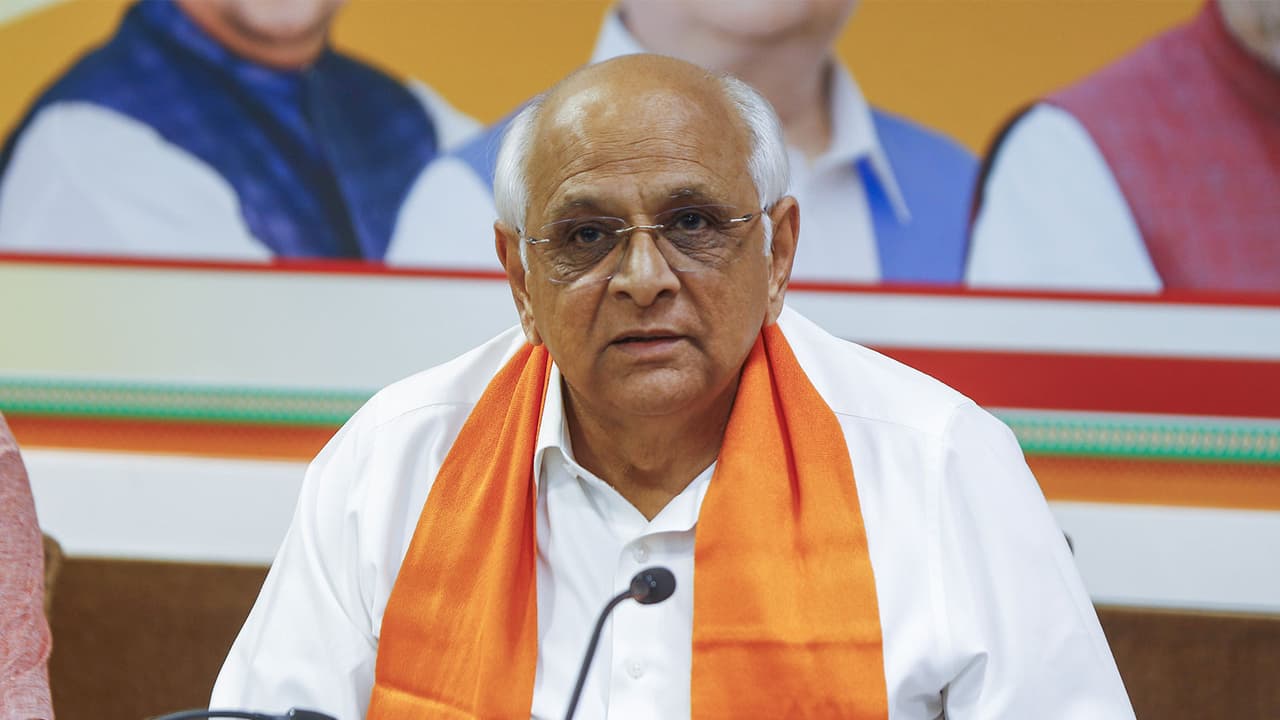
Gujarat CM Bhupendra Patel has decided to allot government land free of cost to 152 municipalities for public welfare projects. The move aims to boost urban development by eliminating the previous 25-50% fee based on market value.
Gujarat Chief Minister Bhupendra Patel on Sunday took a significant people-centric decision to allot government land free of cost to municipalities for public welfare projects in towns and cities across the state.
Financial Relief and Streamlined Process
To ensure greater transparency in urban administration and the timely delivery of basic amenities to citizens, municipalities will now be able to easily allot land free of cost for developing 11 types of essential infrastructure facilities, according to an official release. As a result of this people-centric decision by Chief Minister Shri Bhupendra Patel, around 152 municipalities in the state will be relieved from paying 25 to 50 per cent of the market value or jantri rates that were earlier required to acquire government land for development works. Additionally, the land allotment process will also become simpler and more streamlined.
Key Infrastructure Facilities Covered
Under the Chief Minister's decision to provide government land free of cost to municipalities for public utility and welfare projects, a citizen-centric approach has been adopted to ensure easy access to essential civic facilities such as Nagar Seva Sadan, fire stations, sewage treatment plants, water treatment plants, underground sewerage, drainage pumping stations, water supply projects, solid and liquid waste management plants, stormwater drainage works, anganwadis, town halls, community halls, and convention centres, the release noted.
Boosting Urban Development and Citizen Services
As a result of this decision by Chief Minister Shri Bhupendra Patel, the financial burden on 152 municipalities will be reduced, enabling faster implementation of development projects and giving fresh momentum to urban development. Citizens will also benefit from quicker access to essential services such as water supply, sewerage, education, and healthcare, the release concluded.
(Except for the headline, this story has not been edited by Asianet Newsable English staff and is published from a syndicated feed.)