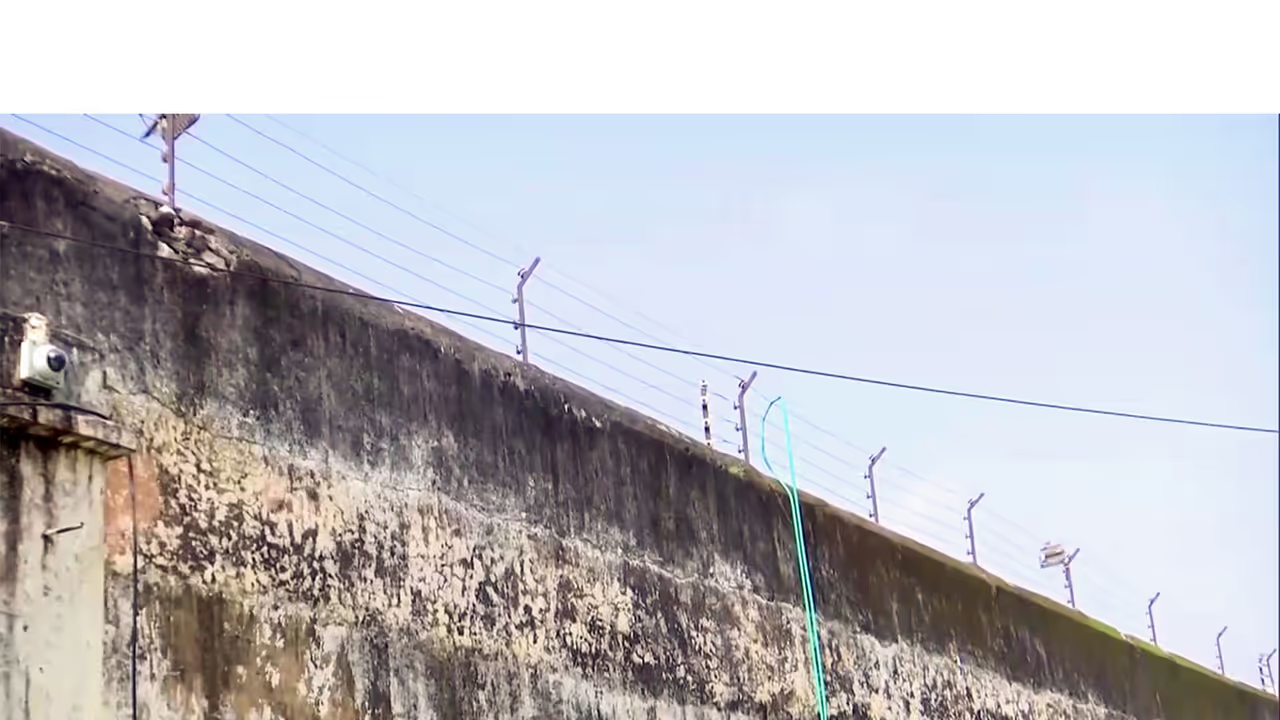
The Gujarat government has granted a 15-day Diwali parole to 143 eligible inmates, including seniors and female prisoners, allowing them to spend the festival with their families starting from November 6, 2026, under specific state guidelines.
Gujarat Government Announces Diwali Parole for Inmates
November 1 (ANI): In an initiative aimed at advancing prison reforms and prisoner welfare, the Gujarat government has sanctioned a 15-day Diwali parole for 143 eligible inmates across various correctional facilities in the state. According to a press release, as part of the state government's prisoner welfare initiatives and prison reform programme, an important decision has been taken to provide prisoners with an opportunity to celebrate the Diwali festival with their families.
Under the guidance of Deputy Chief Minister Harsh Sanghavi, 15-day Diwali parole has been approved for 143 eligible prisoners serving sentences in various jails across the state. Since 2003, the state government has been granting 15 days of parole leave to prisoners every year on the occasion of Diwali. Under this policy, the benefit is extended to eligible female prisoners and eligible male prisoners aged 60 years or above, enabling them to celebrate Diwali with their family members, the release said.
Details of the Parole Release
With the approval of the state government, it has been decided to release a total of 143 eligible prisoners on Diwali parole for 15 days from Dhanteras, i.e., November 6, 2026. The beneficiaries include 103 male prisoners aged 60 years or above and 40 female prisoners.
Eligibility Criteria and Exclusions
Director General of Police (Gujarat Prisons and Correctional Department) K L N Rao stated that, as per state government rules, prisoners involved in serious offences are not eligible for Diwali parole. The press release further noted that those excluded from the benefit include prisoners whose appeals are pending before the High Court; NRI prisoners and prisoners belonging to other states; prisoners serving sentences under the NDPS Act, TADA and POTA; prisoners involved in terrorist activities or activities detrimental to the state's economy; prisoners convicted in more than one offence; prisoners involved in serious and anti-social crimes such as rape, kidnapping, robbery, dacoity, theft or extortion; and prisoners against whom preventive detention orders are in force. (ANI)
(Except for the headline, this story has not been edited by Asianetnews Editorial staff and is published from a syndicated feed.)