Delhi Health Minister Pankaj Kumar Singh says over 1,770 H1N1 patients have sought treatment, while hospitals have sufficient beds and medical equipment. Centre and Delhi review influenza preparedness.
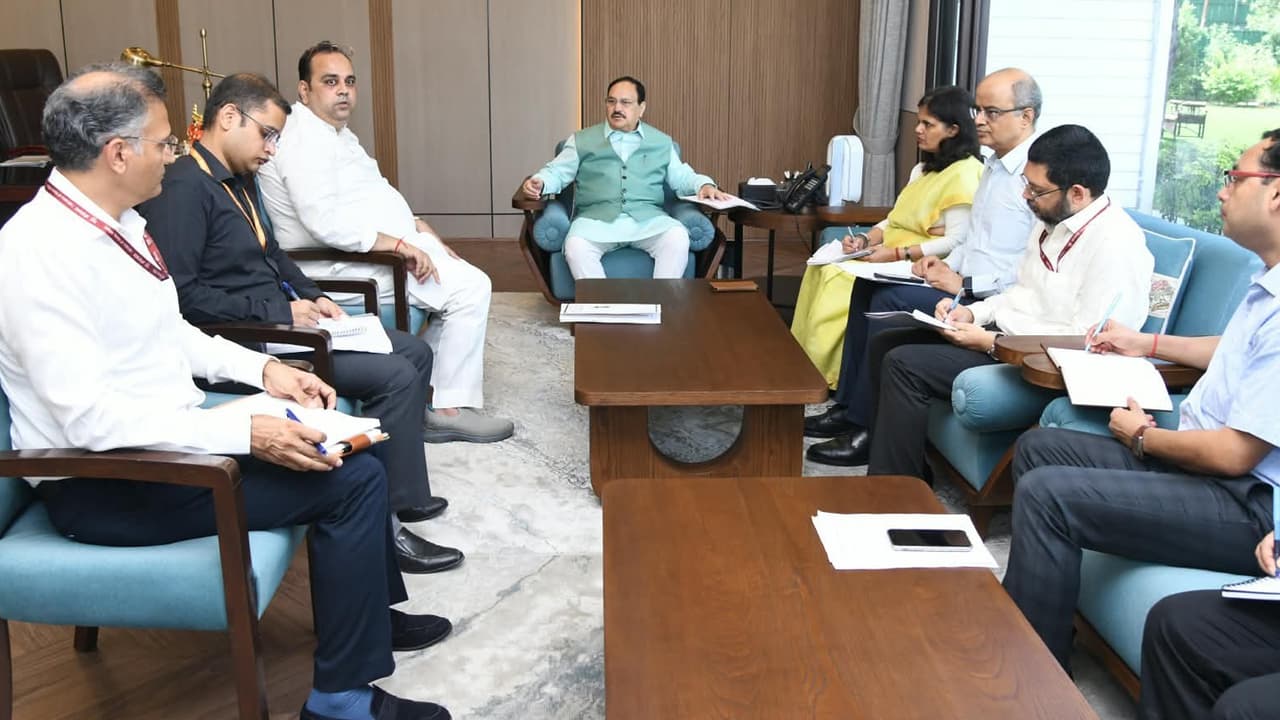
Issues relating to the increase in the number of H1N1 cases in Delhi were raised by Delhi Health Minister Pankaj Kumar Singh during a discussion held with Union Health Minister JP Nadda on Friday. Speaking about the issue after the meeting, Singh clarified that hospitals in the capital city are well-equipped and there are enough beds and medical equipment available.
H1N1 Cases in Delhi: More than 1,770 People Get Treatment
Addressing ANI after the discussion, Pankaj Kumar Singh stated that over 1,770 people had come forward to seek treatment in hospitals in the city till Thursday. He further informed that many people were discharged after recovering from the illness.
He stated that the meeting with Nadda included the situation in Delhi and the National Capital Region, the number of patients in Delhi as well as from other nearby locations.
Related Articles

Delhi Health Minister Pankaj Kumar Singh assured people that hospitals in the city have enough beds and medical equipment. He stated that both the Centre and Nadda assured the Delhi Government that all the necessary measures have been taken in anticipation of any eventuality.
H1N1 Surveillance: Centre Assesses National Readiness
Prior to the meeting in Delhi, the Union Health Ministry conducted an assessment of the national level readiness for seasonal influenza along with trends in Influenza like illness (ILI) and Severe Acute Respiratory Infection (SARI), laboratory tests and health facility preparedness.
Nadda underscored the need for continuous monitoring of influenza trends, surveillance and being ready to address any increase in H1N1 cases.
Delhi Health System: Bed Availability and Critical Care Facilities Evaluated
Along with H1N1 surveillance, preparedness of the health facilities of Delhi was also analyzed, which include bed availability, critical care facilities and other such important aspects.
The assessment comes following a rise in the number of H1N1 cases in Delhi. H1N1 is a kind of influenza A virus, known as swine flu. Seasonal variations like temperature and humidity levels have also caused concern about respiratory infections.
Symptoms of H1N1: What to Look Out for
H1N1 is associated with fever, cough, sore throat, headaches, body pains, chills and fatigue. While most people recover without much complication, it is worth noting that influenza can be complicated for some people.
JP Nadda Calls for Coordinated Action
The minister has already stressed the need for coordination between central and state governments in handling both seasonal and communicable diseases. In July, he checked on Delhi’s preparedness for controlling dengue and called for coordination among the center, government of Delhi, civic administration, healthcare facilities, and frontline personnel.
Currently, Delhi health officials are stressing preparedness and surveillance while calling on citizens not to panic.