
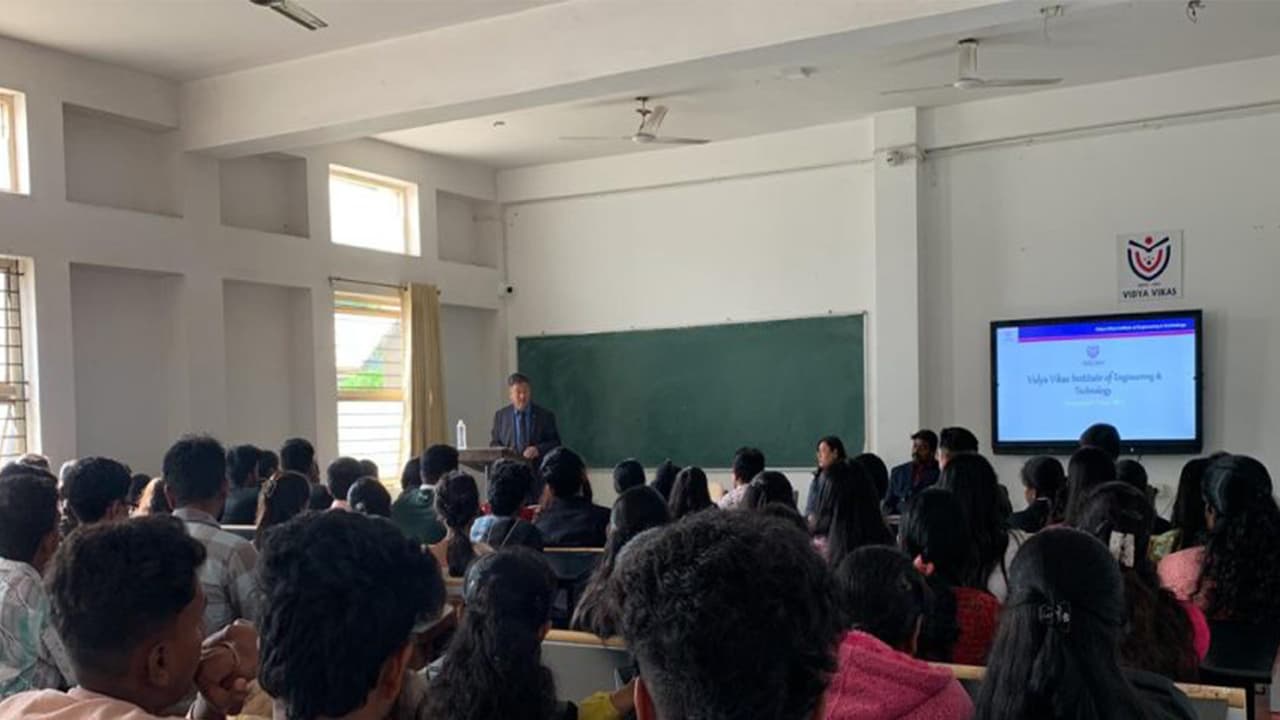
The Central Tibetan Administration's DIIR held outreach programs in Karnataka colleges in December 2025. The events aimed to raise awareness of Tibet's history, culture, and the environmental and human rights challenges under Chinese rule.
The Department of Information and International Relations (DIIR) of the Central Tibetan Administration (CTA) successfully conducted a series of Tibet Outreach Programs in Karnataka in December 2025. The initiatives aimed to raise awareness about Tibet's history, culture and the ongoing challenges faced under Chinese rule.
Outreach Programs in Karnataka Colleges
According to a press release by the Central Tibetan Administration, the Bengaluru programme concluded on December 19, 2025, at St. Joseph's College of Law. Tenzin Lekshay, CTA Additional Secretary and Official Spokesperson, attended the event as the Chief Guest for the college's Annual Inter-Collegiate Fest. During the programme, Lekshay met college dignitaries and presented a set of books on Tibet, including Voice for the Voiceless, the latest work by the 14th Dalai Lama.
The press release further highlighted that on December 22, the DIIR delegation visited Vidyavardhaka College of Engineering and Vidya Vikas Institute of Engineering and Technology in Mysuru. During the visits, the delegation engaged with over 250 students and faculty members. Tenzin Lekshay highlighted the deep civilisational and spiritual ties between India and Tibet, referencing historic connections, the role of Nalanda masters, Mount Kailash and Mansarovar, and the Dalai Lama as a "son of India." Contemporary issues were also discussed, including the Galwan Valley clash and the impact of Chinese hydropower projects on Tibetan communities.
Environmental Challenges on the Tibetan Plateau
According to an earlier press release, Dhondup Wangmo, Research Fellow at the Tibet Policy Institute, CTA, delivered a presentation titled "The Tibetan Plateau: Its Significance and Environmental Challenges." She highlighted Tibet's ecological importance for Asia, noting that China's large-scale mining, dam construction and infrastructure projects since 1959 have caused severe environmental degradation, disrupted river ecosystems and displaced Tibetan communities. Wangmo pointed out that these unsustainable practices contribute to floods, landslides and biodiversity loss, framing them as consequences of Chinese occupation and exploitation. She also drew attention to the persecution of Tibetan environmental activists under Chinese rule.
Human Rights and Cultural Suppression Claims
Tibetans claim that since China's takeover in 1950, their basic human rights and religious freedoms have been severely restricted. Monasteries are closely monitored, the Tibetan language and culture face suppression, and traditional nomadic communities are being forcibly relocated due to large-scale development and hydropower projects. Tibetans further assert that their spiritual leaders, including the Dalai Lama, are targeted by the Chinese government, undermining Tibetan Buddhist traditions. (ANI)
(Except for the headline, this story has not been edited by Asianet Newsable English staff and is published from a syndicated feed.)