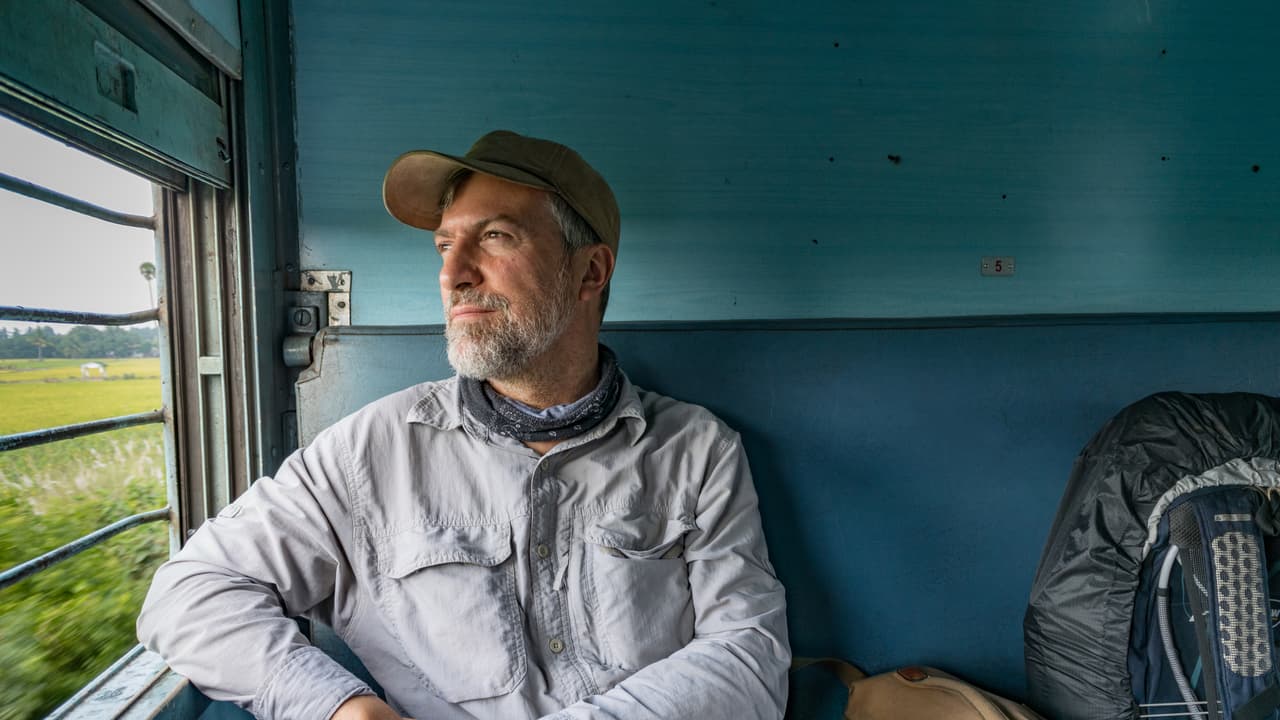
Australian tourist Duncan McNaught’s immersive reel flips stereotypes about India. From joyful street moments to serene Golden Temple reflections, his journey highlights authenticity, diversity, and the country’s “dangerous” charm in the most beautiful sense.
India is often introduced to first‑time travelers with cautionary tales and second‑hand warnings. Yet, every so often, someone arrives and quietly dismantles those preconceptions through genuine human encounters. Australian traveler Duncan McNaught has done exactly that, capturing India in a way that feels both intimate and celebratory.
In his Instagram reel, Duncan cleverly flips the narrative. “Be careful…India is dangerous. Dangerously kind, dangerously fun, dangerously rich in culture, dangerously happy, dangerously full of beautiful landscapes,” he says. The line turns a word of warning into a tribute, reframing India’s complexity as something unforgettable.
Unlike many tourists who document India from a distance, Duncan’s reel is immersive. He is seen laughing with locals in busy streets, dancing joyfully with children, and embracing spontaneous moments that require no shared language. These encounters highlight India’s unique ability to turn strangers into friends, even if only briefly.
Related Articles

Golden Temple reflections and contrasts
One of the most emotional segments takes Duncan to the Golden Temple. The pace of his video slows, contrasting the frenetic energy outside with the stillness inside. The temple’s serene environment underscores India’s duality: a country of sensory overload, but also of spirituality and contemplation.
His travels continue across diverse landscapes. Shots of ziplining through snowy terrain and road trips to winter wonderlands emphasize India’s vast variety. Unexpected invitations to parties or gatherings further illustrate the openness of its people, where hospitality often comes without hesitation.
The online response to Duncan’s reel has been equally telling. One user commented, “Brother from another part of the world,” capturing the sense of belonging his journey evoked. Another praised him for sharing India’s culture without chasing views, while a third noted, “Finally someone who didn’t come with a stereotype in head.” These reactions reflect a collective appreciation for authenticity when it is genuinely seen.
Within a digital space often dictated by trends and algorithms, Duncan’s work feels refreshingly honest. His reel avoids curated tourist checklists, instead offering glimpses of everyday life that resonate deeply with viewers.
Ultimately, Duncan’s journey is not just about travel but perspective. He arrived with curiosity rather than caution and left with stories instead of stereotypes. His experiences reinforce a truth that India cannot be reduced to a single narrative. It is a country that challenges, surprises, and transforms those who engage with it openly.